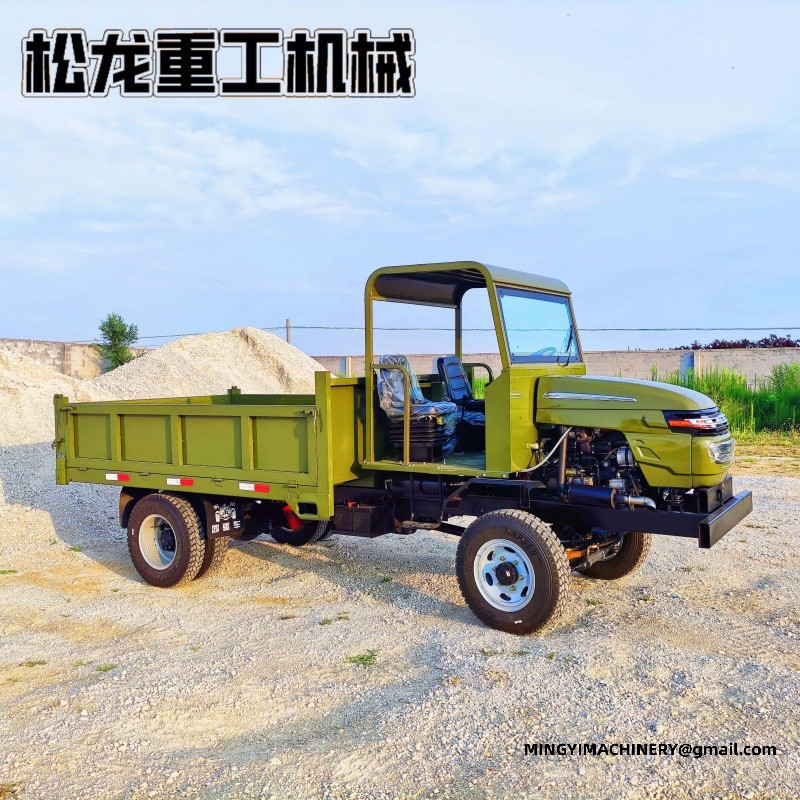
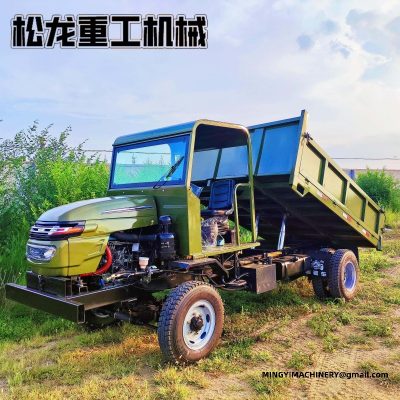
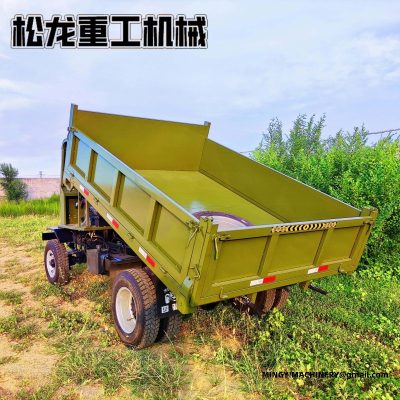
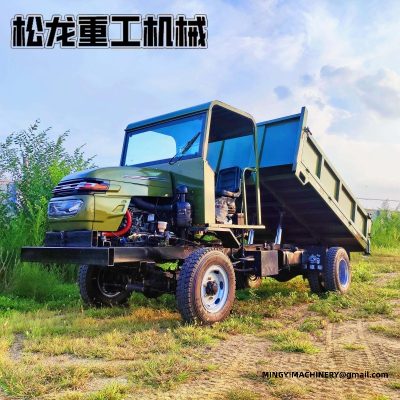
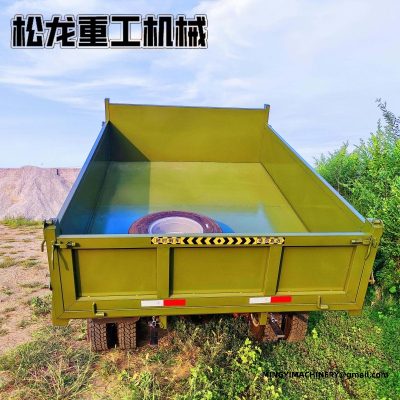
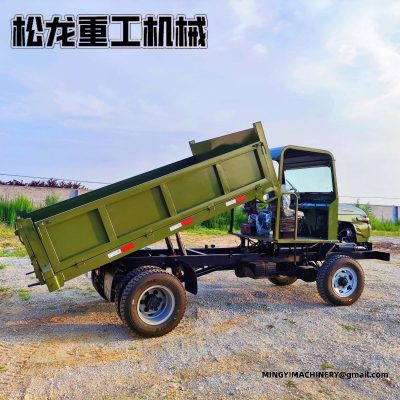
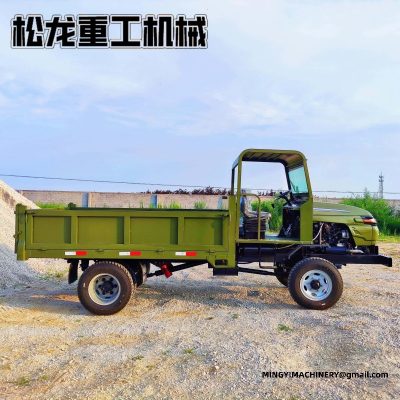
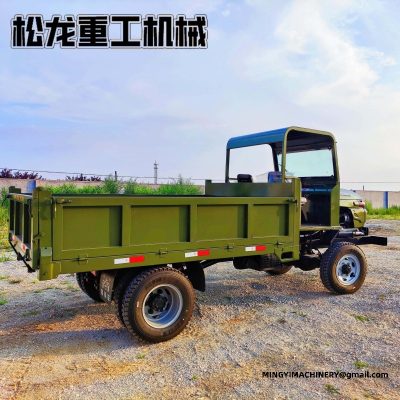
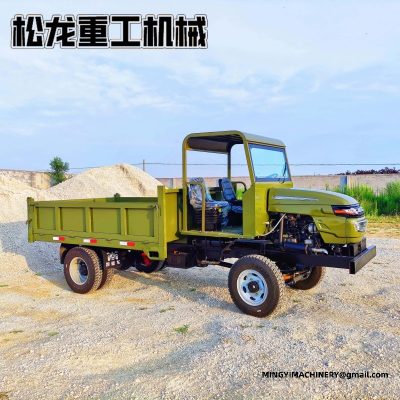
The dumper is built for the work that fills the calendar rather than the work that looks impressive. This page sets out what the machine does, where it fits and what to settle before ordering, so the specification can be matched to the job instead of guessed at.
A short familiarisation session prevents the early faults. Most first-month problems on this class of machine come from unfamiliarity with controls, limits or checks rather than from the machine itself.
The decision is economic as well as technical. Comparing the work of reconfiguring the unit in daily use against a different machine is a short calculation that usually gives a clear answer.
Wear rate follows conditions far more than hours. A machine of this size working on abrasive ground or in mud will consume undercarriage or tyre life much faster than the same machine on clean ground. Replacing wear items early is usually simpler. Worn components on the equipment on site load the parts they run against, so a worn part left too long often becomes a major repair.
Standing still is hard on machinery. The machine itself left for weeks benefits from a clean, dry, covered space, a charged battery and a fuel system prepared for the layoff, and all three effort very little. A periodic start is better than none. Running the model in question to operating temperature during a long layoff keeps seals and the charging system in better condition than leaving it untouched until the next job.
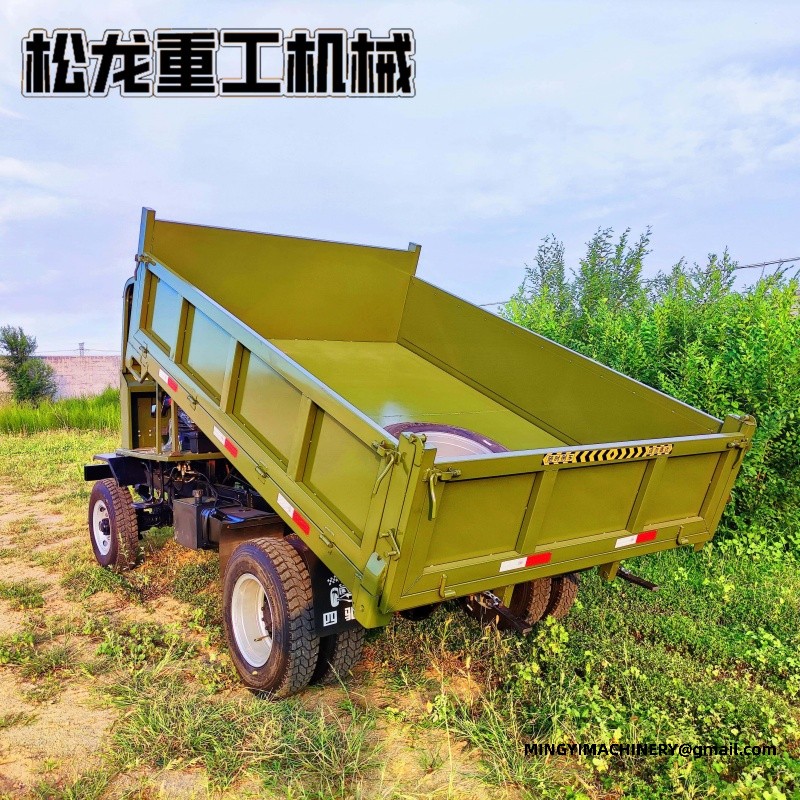
Payload is limited by the axles and the frame before it is limited by the body volume. Specifying the machine in that duty against the material density gives a realistic figure, because a body that looks half full can already be at its limit with rock. Loading method affects the machine as much as the load does. Material dropped from height into the unit on the job shocks the frame and the body floor, while material placed evenly spreads the load and extends body life.
Quarry and tunnel work is hard on vehicles. Abrasive dust, sharp material and continuous loading mean a machine built for the work in this duty needs attention to filtration, body wear and brake condition far more often. Size matters underground. Overall height and width decide whether the equipment in service can work in a tunnel at all, and those dimensions are the first thing to confirm rather than the last. Haul cycles in a quarry are short and repetitive. The dumper specified for that pattern benefits from a body that dumps cleanly and quickly, because the time saved per cycle is the whole allowance.
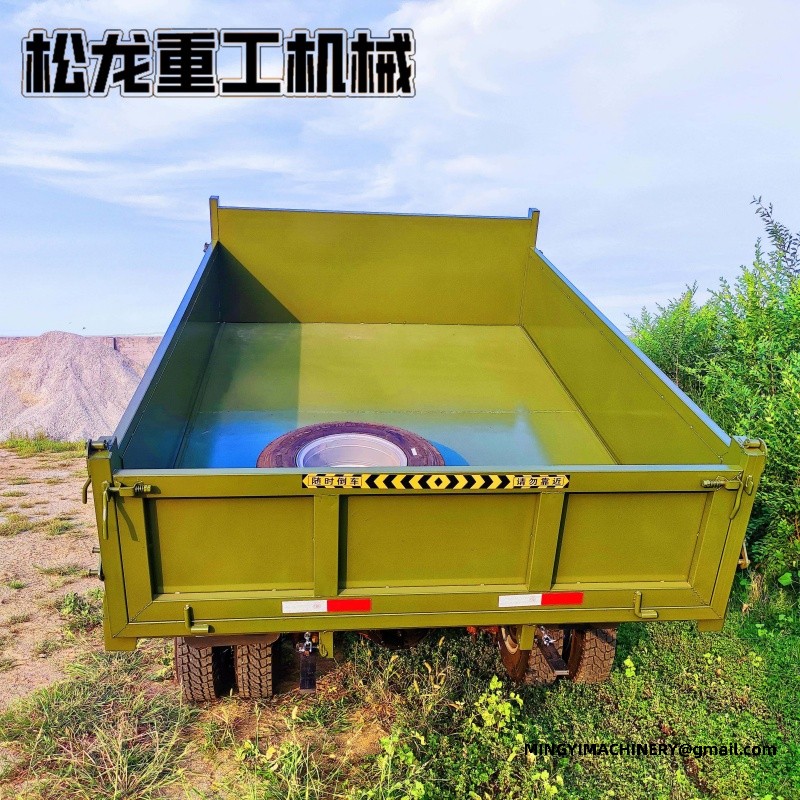
Farm work is seasonal and varied. This class of machine that hauls feed in one month and muck or aggregate in the next earns its place by being usable across the year rather than by being optimised for one task. Farm users also value simplicity. The unit in daily use that can be serviced in the yard with common tools and common parts suits a farm better than one that needs a dealer visit for routine work.
Carrying and travelling with a load needs its own plan. Speed, gradient and surface all matter more once a machine of this size is loaded, and the safe combination is the conservative one.
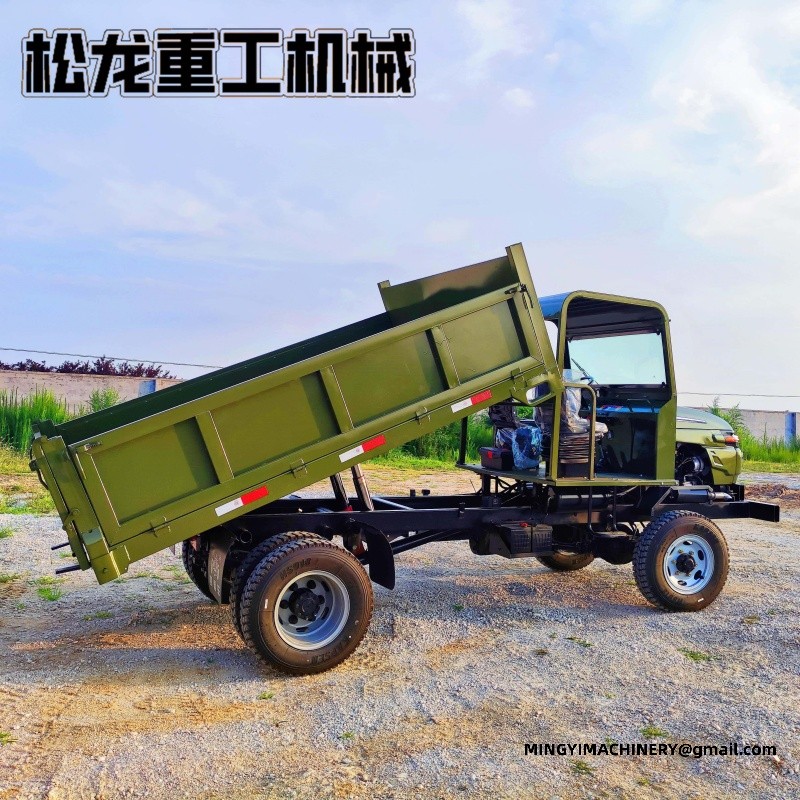
Cleaning is maintenance, not appearance. Washing the cooling surfaces and clearing packed material from the machine itself keeps temperatures where they should be and makes the next inspection quicker and more useful.
Descending matters as much as climbing. A loaded the machine in that duty on a steep gradient needs engine braking and brakes in good order, and the safe practice is to plan the descent before the load rather than during it.
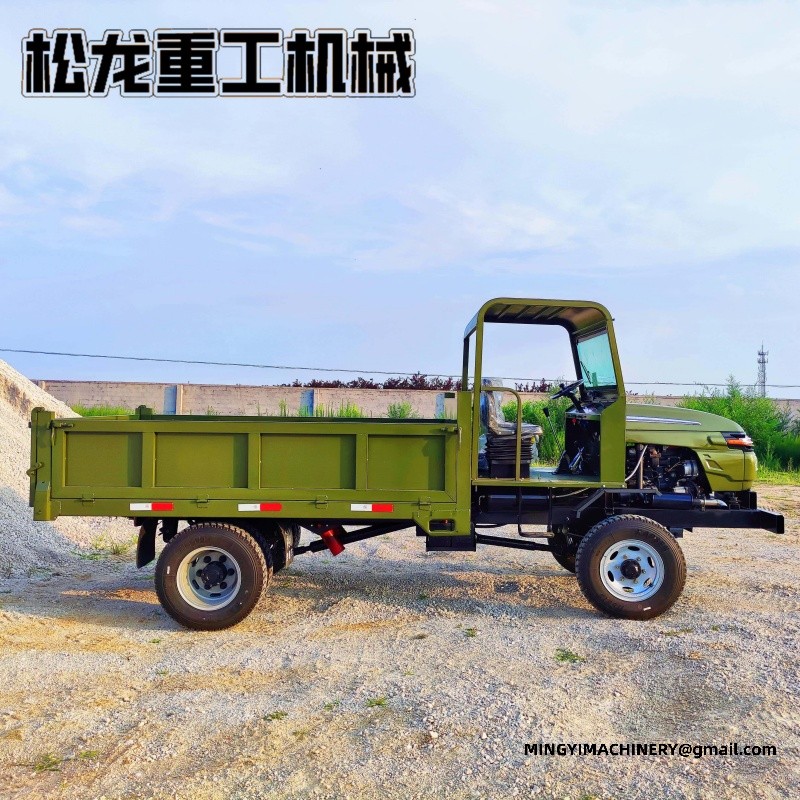
Carrying concrete changes the duty entirely. A machine built for the work with a mixer drum is working against the clock, and the specification follows the delivery distance and the site access rather than the load alone. Drum bodies need power and stability. The equipment in service set up for concrete has to carry the drum, the load and the water, and the frame and brakes should be specified for that combined weight.
Most incidents around machinery come from the space rather than the machine. Exclusion zones, a clear signal person and a check on what is behind the unit in daily use before it moves cover the large majority of the risk on a working site. Slopes and edges deserve a separate check. This class of machine that is stable on level ground behaves differently across a gradient, and the safe working angle is a number worth knowing rather than estimating.
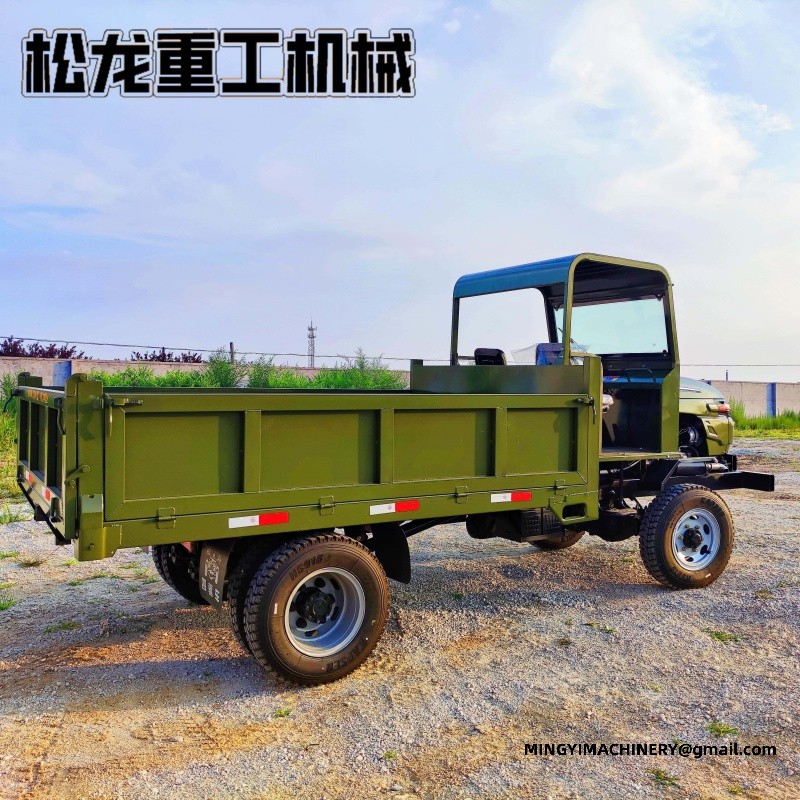
Recovering a stuck vehicle takes longer than preventing it. Planning the route, avoiding the worst ground and knowing where the equipment on site will turn is what keeps a soft-ground job productive.
Visibility from the seat is different at night. Reflections, shadows and glare all hide detail, so the model in question used after dark benefits from clean lenses, working wipers and a slower working pace. Planning helps more than extra lamps. Positioning the machine in that duty so that the work is lit from the machine side, and keeping the route clear, does more for safety than adding light to a badly planned task.
The base machine is only as useful as the tool on the end of it. Matching the attachment to the task - rather than to what arrived with the machine - is what lets one a machine built for the work cover several jobs across a week. Attachment decisions are best made before delivery. Specifying hydraulics and couplers at build time is simpler than adding them later, and it avoids the downtime of a workshop visit in the first month.
Ground decides more of the outcome than power does. Soft, wet or loose surfaces call for a wider footprint and lower ground pressure, while hard standing allows a narrower machine that turns in less space and travels faster between tasks. The working surface should be surveyed before the dumper is specified. A machine that is stable on compacted gravel can be unusable on the same site after rain, and the difference shows up as lost days rather than as a fault.
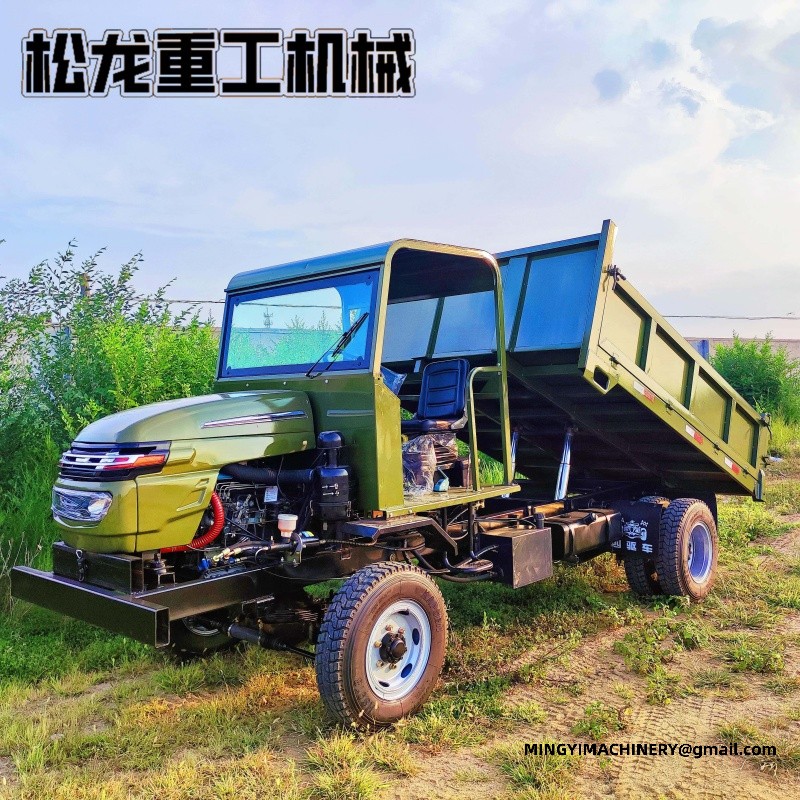
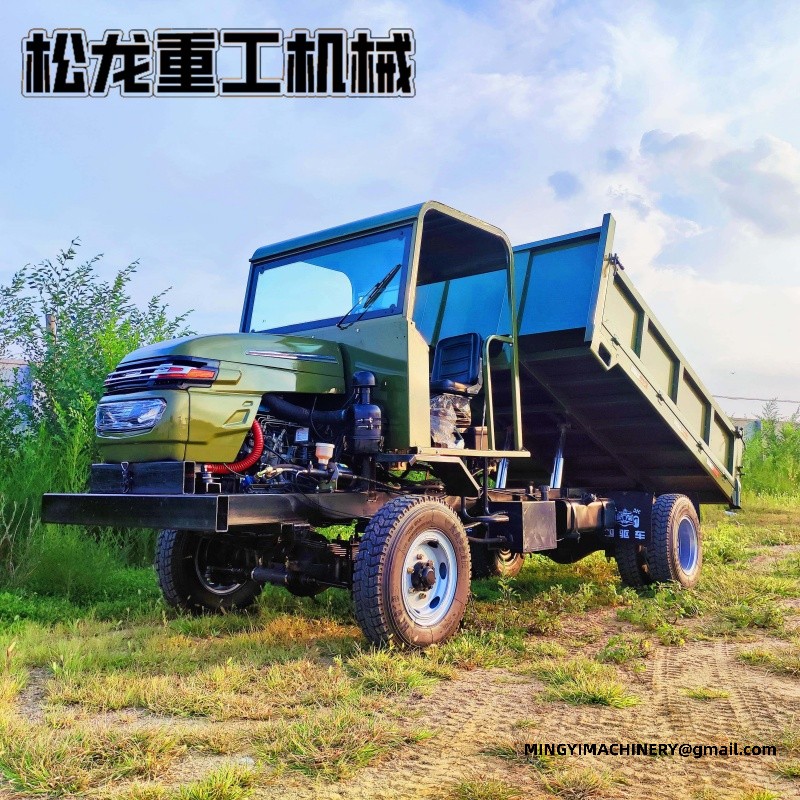
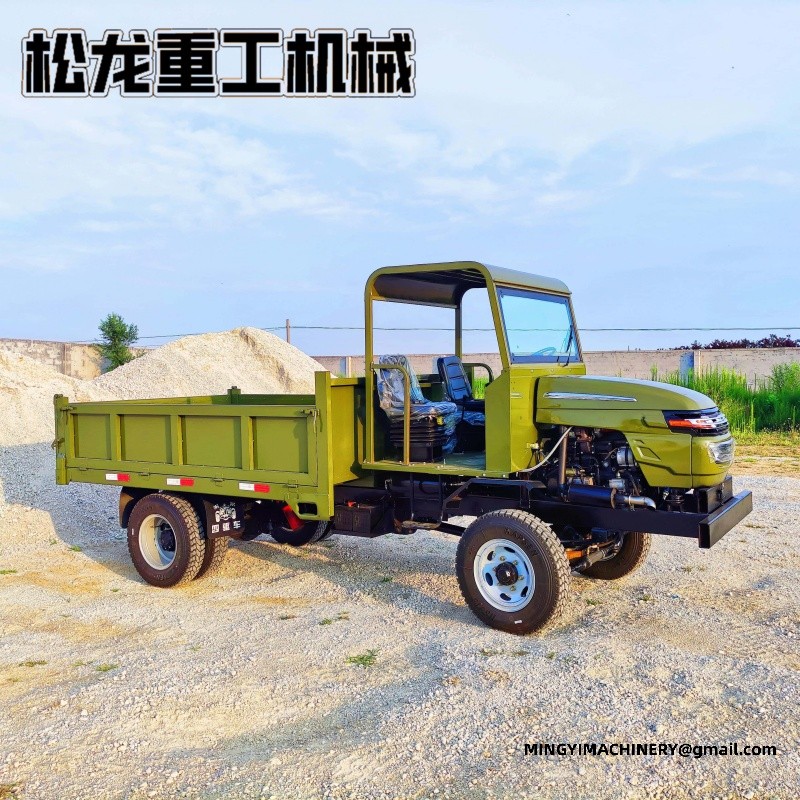
The configurations below are the build sheets most often matched to the unit in daily use. Engine, gearbox, axles, frame and body dimensions are confirmed together, because the body size and the axle rating have to suit the load before the engine rating matters.
| # | 17.Luxury | 18.Standard | 7.Upgraded | 9.Standard |
|---|---|---|---|---|
| 1 | Four-cylinder 490 diesel engine | Four-cylinder 4102 turbocharged diesel engine | Single-cylinder diesel engine, 28 hp | Single-cylinder diesel engine, 32 hp |
| 2 | Part-time gearbox, selectable 2WD/4WD | Model 140 part-time gearbox with four-wheel drive | Full-time gearbox with four-wheel drive | Full-time gearbox with four-wheel drive |
| 3 | High/low range with crawler gear | High/low range with crawler gear | High/low range with crawler gear | High/low range with crawler gear |
| 4 | Fully enclosed cab | Simple cab | Front axle clutch | Simple cab |
| 5 | Six 700-16 mountain tyres | Oil brakes | Fully enclosed cab | Oil brakes |
| 6 | Reinforced 130 front axle | Six 700-16 mountain tyres | Oil brakes | Four 700-16 mountain tyres |
| 7 | Reinforced ISUZU-pattern rear axle | Reinforced ISUZU-pattern front axle | Four 700-16 mountain tyres | Front axle 212 |
| 8 | Air cut-off brakes | Reinforced 1061 rear axle | Front axle 212 | Rear axle 130 |
| 9 | Reinforced 60 x 140 mm square tube frame | Reinforced 80 x 180 mm square tube frame | Rear axle 130 | Reinforced 60 x 140 mm square tube frame |
| 10 | Rear body 2.2 m long x 1.8 m wide x 0.45 m high | Rear body 2.2 m long x 2.1 m wide x 0.45 m high | Reinforced 60 x 140 mm square tube frame | Rear body 2.2 m long x 1.5 m wide x 0.45 m high |
| 11 | Tailgate with self-dumping function | Tailgate with self-dumping function | Rear body 2.2 m long x 1.5 m wide x 0.45 m high | Tailgate with self-dumping function |
| 12 | Side-opening rear body tailgate | Hydraulic power steering | Tailgate with self-dumping function | Hydraulic power steering |
| 13 | Hydraulic power steering | Twin hydraulic rams | Hydraulic power steering | Twin hydraulic rams |
| 14 | Twin hydraulic rams | Two-person comfort seat | Twin hydraulic rams | Two-person comfort seat |
| 15 | Two-person comfort seat | Twin-battery electric start | Two-person comfort seat | Twin-battery electric start |
| 16 | Heavy-duty leaf springs | Square-nose bonnet | Twin-battery electric start | Square-nose bonnet |
| 17 | Twin-battery electric start | — | Square-nose bonnet | — |
| 18 | Round-nose bonnet | — | — | — |
Patterns show up in the record before they show up in the machine. Rising oil consumption or a filter that keeps blocking on the equipment on site is obvious on paper long before it becomes a failure on site.
A machine that only one person can use is a single point of failure. Training a second operator on the model in question takes a day and removes the dependency that otherwise governs holidays, illness and busy weeks.
Contamination is easier to prevent than to cure. Keeping the filler caps sealed, the funnels clean and the containers closed around the unit on the job is unglamorous work that shows up as reliability later.
A machine should be inspected while it is still on our floor rather than after it lands. For the equipment in service that means the engine is run to temperature, the hydraulics are cycled through full travel, and every function is checked against the build sheet before the crate is closed.
Later changes are easier when they were anticipated. Asking for the extra hydraulic circuit or the heavier mounting plate on this class of machine at build time adds little and leaves the option open.
Machines rarely fail without warning. A change in sound, a slower function or a new leak on a machine of this size is the machine saying something early, and listening then takes a fraction of the time that waiting does.
Transport shakes things loose. A short check of the machine itself after the crate is opened, covering the same points the pre-delivery inspection covered, is the most useful insurance available on delivery day.
Every line above is a build item rather than an optional extra, and the final sheet for the model in question is confirmed against the destination, the ground and the load before production.
E-mail:sales@mingycn.com
LINE(ID):mingyicn









