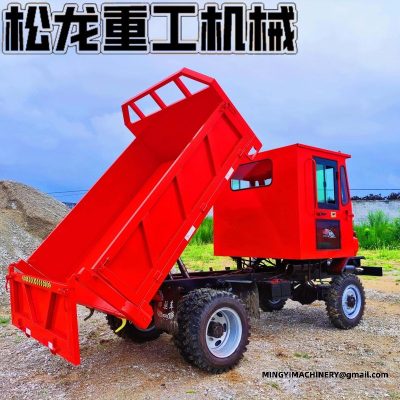
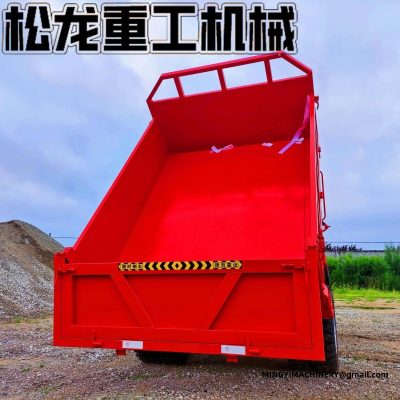
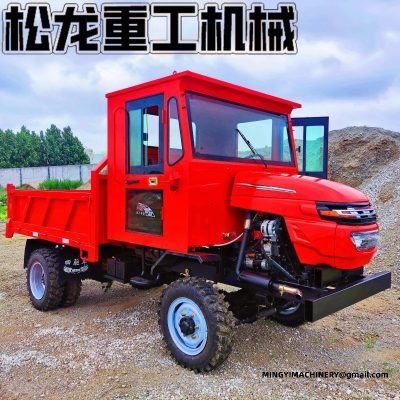
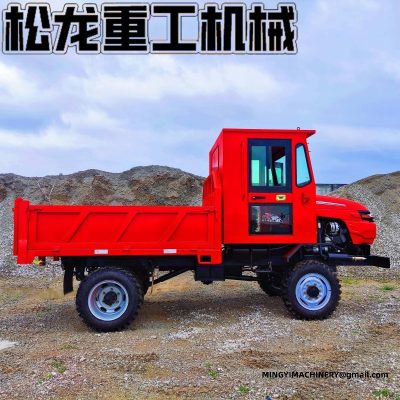
Two buyers can order the dumper for the same nominal job and receive different machines, because the ground and the access decide more than the workload does. The sections below explain which questions separate the two cases.
Certain parts are designed to be consumed. Knowing which items on this class of machine are wearing parts, and roughly how long they last in the duty the machine sees, turns replacement into a plan rather than a breakdown. Replacing wear items early is usually simpler. Worn components on the unit in daily use load the parts they run against, so a worn part left too long often becomes a major repair.
Remote diagnosis shortens most faults. A walk-around on video with the panels open often identifies the cause on a machine of this size without waiting for a visit, and avoids shipping a part that turns out not to be needed.
Warranty terms are clearer when they are read before purchase. Knowing what is covered, what counts as a wearing item and what documentation is required makes a claim on the equipment on site straightforward rather than contested.
Standing still is hard on machinery. The machine itself left for weeks benefits from a clean, dry, covered space, a charged battery and a fuel system prepared for the layoff, and all three effort very little.
Handover should include the documents as well as the keys. Parts list, service schedule and the operator notes for the model in question are what the workshop needs in month six, and they are much harder to obtain later. A short familiarisation session prevents the early faults. Most first-month problems on the machine in that duty come from unfamiliarity with controls, limits or checks rather than from the machine itself.
Buyers who specify a machine built for the work on paper before enquiring get specifications that can be compared. Without that list, two suppliers will propose two different machines and the simpler one is usually the smaller one, not the better value. A written duty list is the simplest part of the purchase. It takes an hour to note the material, the distance, the gradient and the hours per week, and it is what turns the unit on the job enquiry into a machine that fits.
Abrasive conditions shorten service intervals. Air filters, seals and any exposed sliding surface on the equipment in service need attention more often in dusty or muddy work, and the extra checks prevent far more wear than the time they take. Cleaning is maintenance, not appearance. Washing the cooling surfaces and clearing packed material from the dumper keeps temperatures where they should be and makes the next inspection quicker and more useful.
Four-wheel drive is only part of soft ground capability. Tyre choice, ground clearance and weight distribution decide whether this class of machine keeps moving in a paddy field or a marsh, and all three are specified rather than assumed.
Lead time is part of the specification. Confirming build time, shipping method and what is included before ordering a machine of this size prevents the common gap between when the machine is needed and when it can arrive. The order should state the configuration in writing. Engine, attachments, colour, documents and any market requirement are clearer on the build sheet for the equipment on site than in a conversation after delivery.
Stability follows the load and its position. Knowing the rated capacity of the model in question at the working radius, rather than at its best case, is what keeps handling predictable and the machine upright. Ballast and attachment weight change the machine. Adding a heavy tool to the machine in that duty moves the centre of gravity, and the counterweight or configuration should be matched to the tool rather than assumed.
Reconfiguration can extend the useful life of a machine. A machine built for the work that no longer suits the current work may suit it again with a different attachment, guarding or control arrangement. Upgrades should be checked against the base machine. Hydraulic capacity, mounting interface and stability all limit what can reasonably be added to the equipment in service, and confirming those limits avoids an unsatisfactory result. The decision is economic as well as technical. Comparing the work of reconfiguring the dumper against a different machine is a short calculation that usually gives a clear answer.
Matching the engine to the duty matters more than the peak rating. The unit in daily use that spends its day at part load benefits from a different setup than one that works at full output, and the difference shows in fuel use over a season.
Working after daylight changes the risk. Lighting coverage on the equipment on site and across the working area, plus high-visibility clothing for anyone on foot, are the items that make low-light work practical.
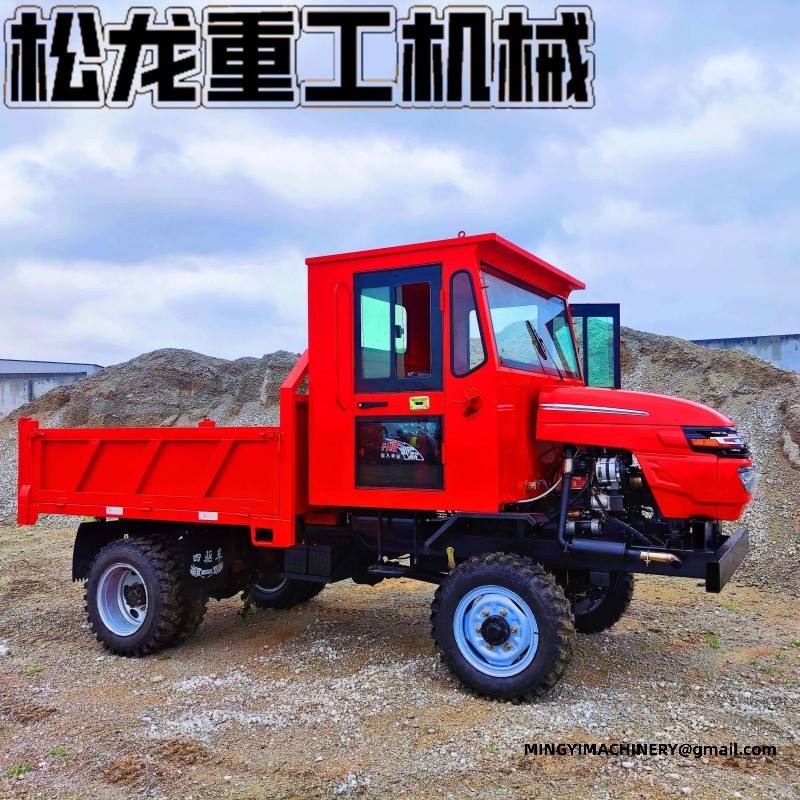
Loading method affects the machine as much as the load does. Material dropped from height into the model in question shocks the frame and the body floor, while material placed evenly spreads the load and extends body life. The honest payload figure comes from the duty. The machine in that duty working a smooth haul road carries differently from one crossing ruts and gradients, and the conservative number is the one that keeps the machine working.
Farm work is seasonal and varied. A machine built for the work that hauls feed in one month and muck or aggregate in the next earns its place by being usable across the year rather than by being optimised for one task.
Resale starts at purchase. Specification choices, service records and the condition of wearing parts are what a buyer looks at, and the equipment in service that has been maintained on schedule is worth more than one that merely looks clean. Records are part of the asset. Keeping the service history and the hour records with the dumper makes it easier to sell, easier to insure and easier to justify the replacement machine internally.
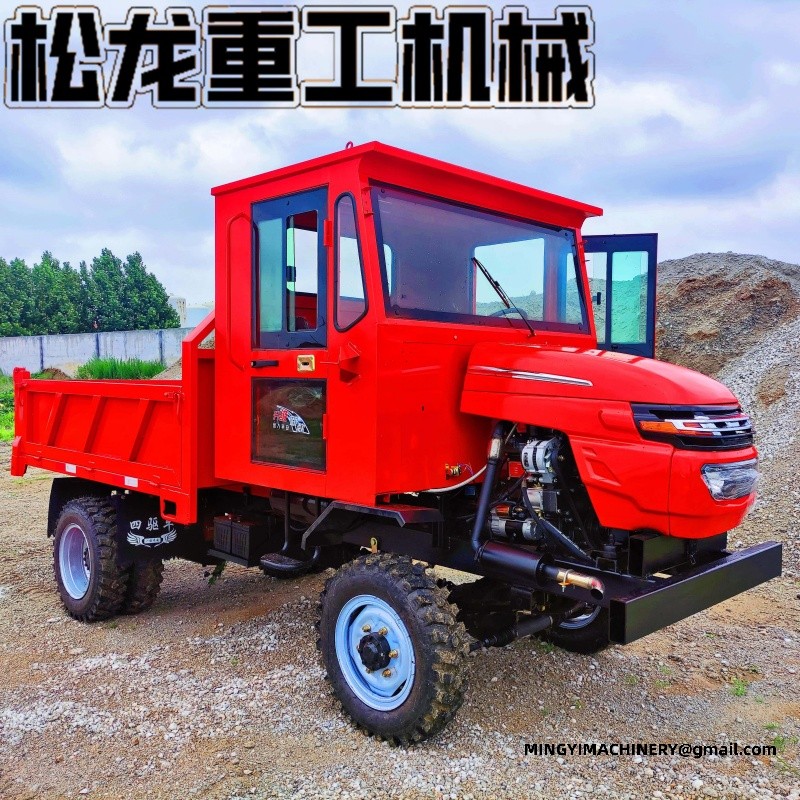
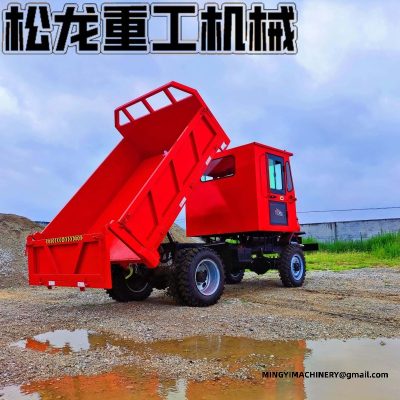
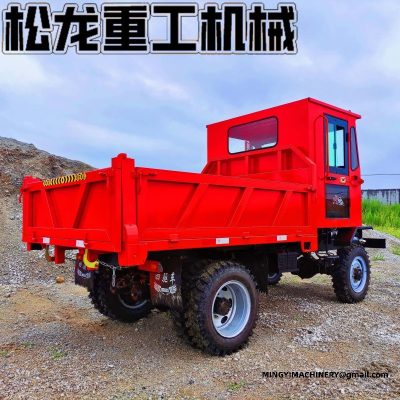
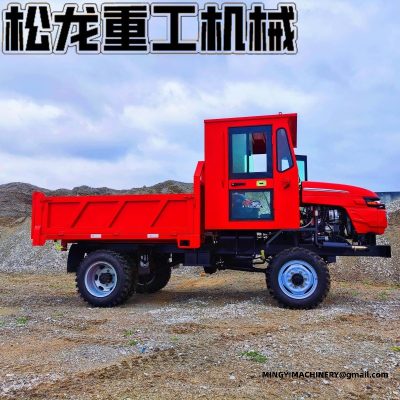
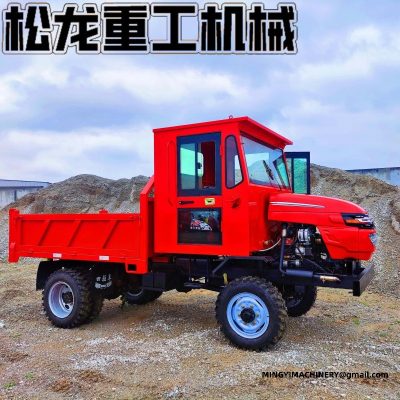
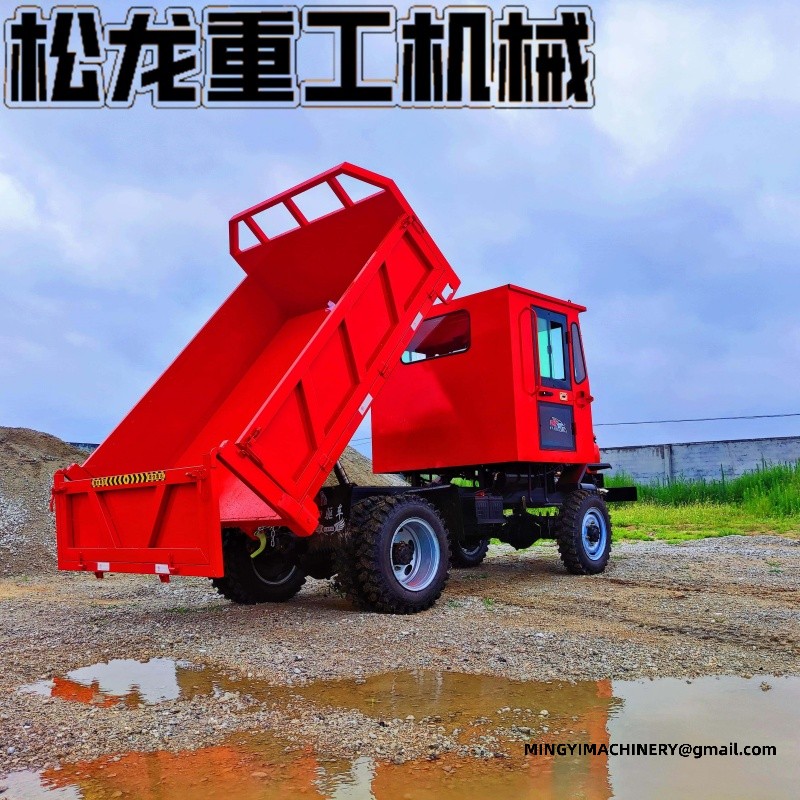
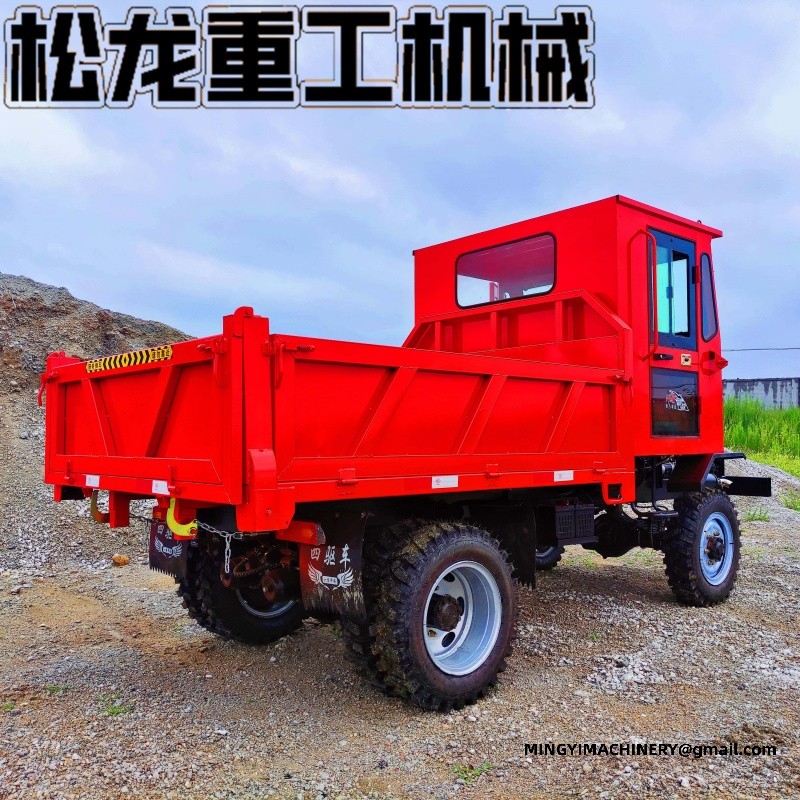
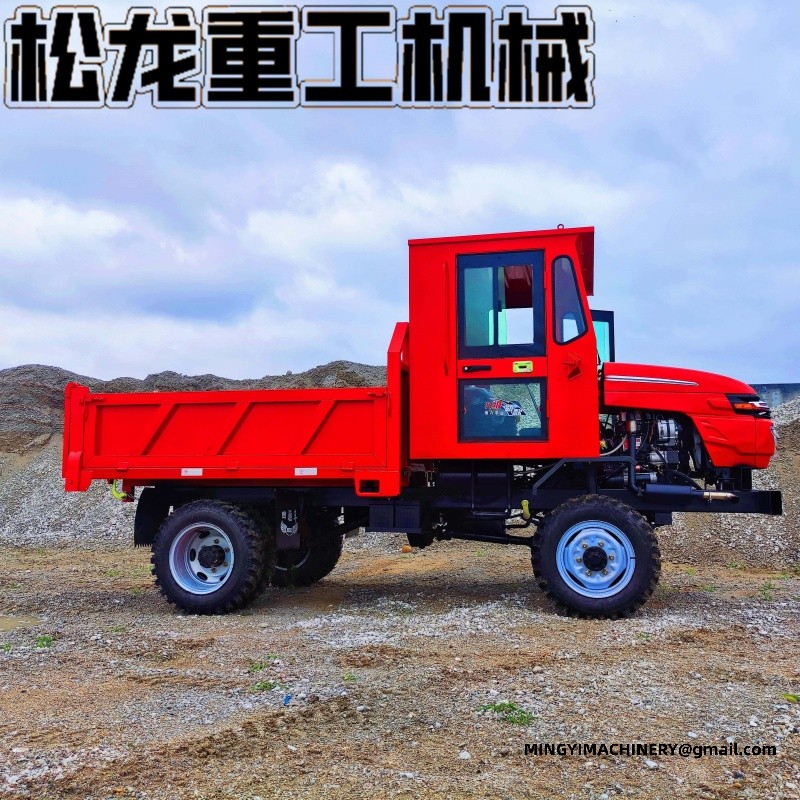
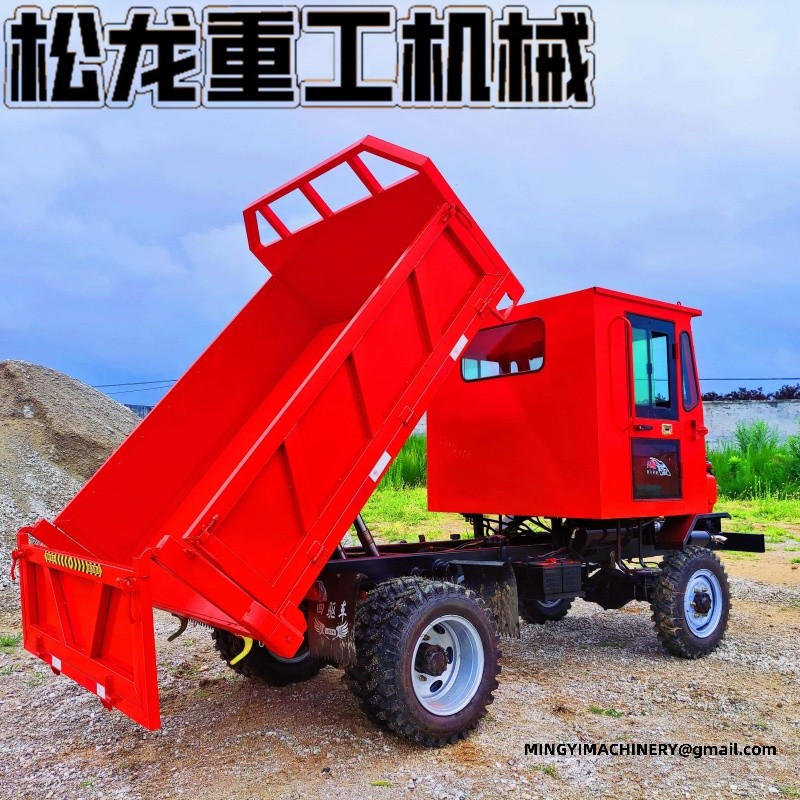
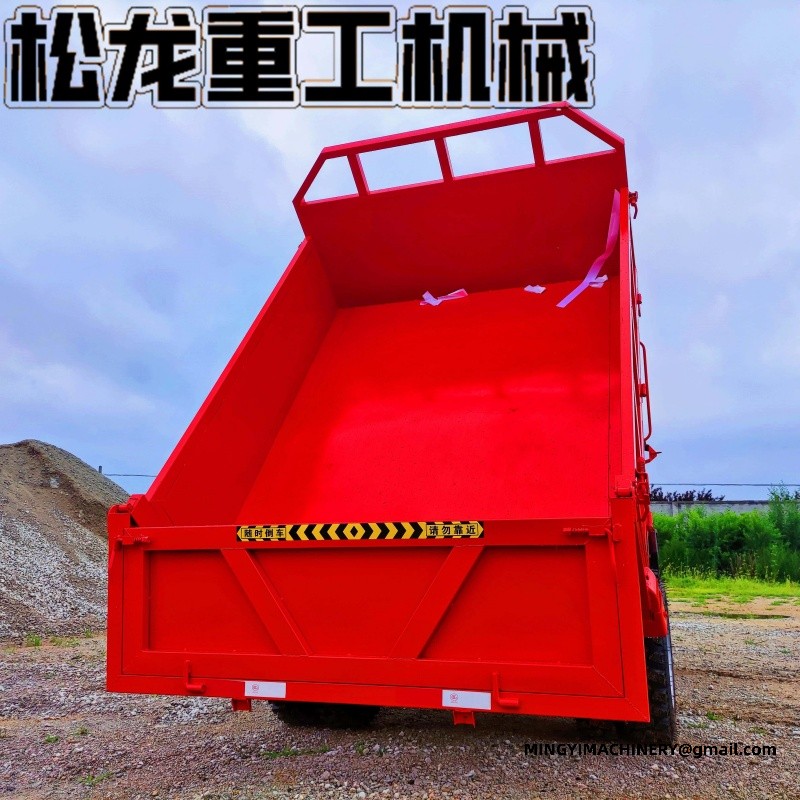
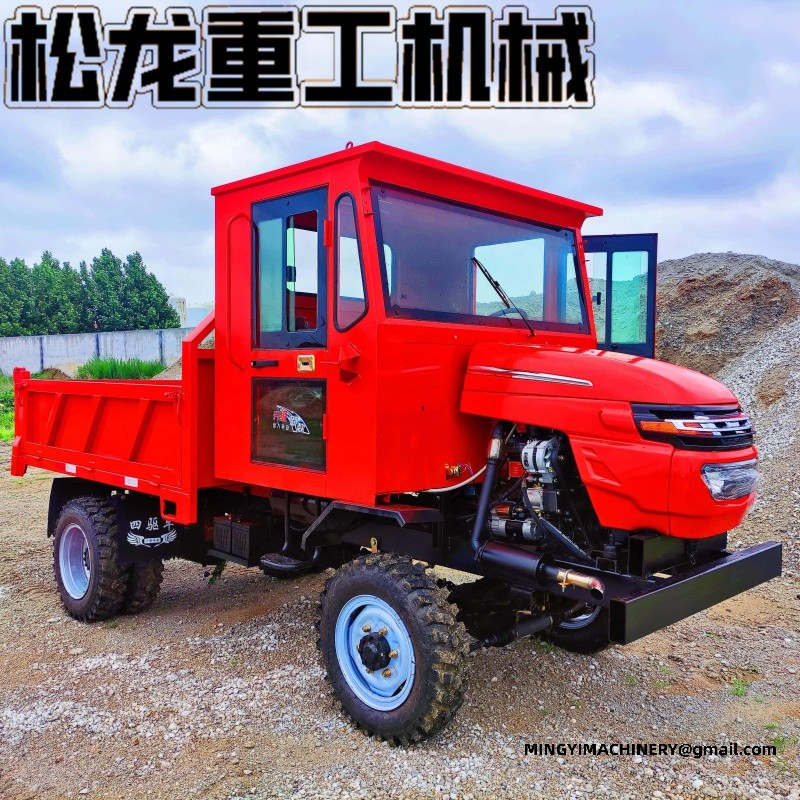
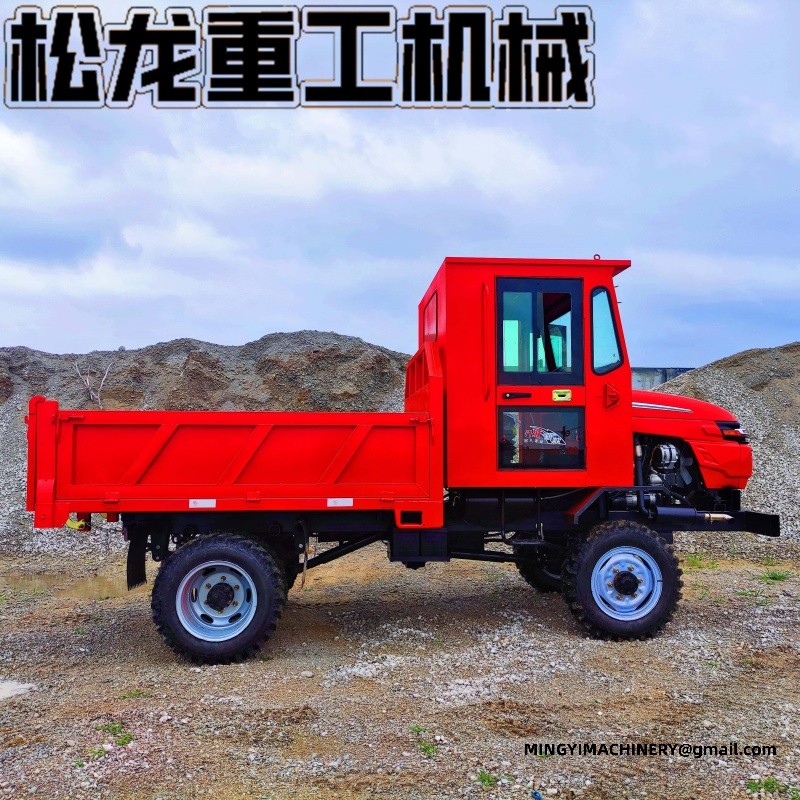
The configurations below are the build sheets most often matched to the unit in daily use. Engine, gearbox, axles, frame and body dimensions are confirmed together, because the body size and the axle rating have to suit the load before the engine rating matters.
| # | 13.Upgraded | 16.Upgraded | 18.Standard | 9.Standard |
|---|---|---|---|---|
| 1 | Two-cylinder diesel engine, 38 hp | Four-cylinder 490 diesel engine | Four-cylinder 4102 turbocharged diesel engine | Single-cylinder diesel engine, 32 hp |
| 2 | Full-time gearbox with four-wheel drive | Full-time gearbox with four-wheel drive | Model 140 part-time gearbox with four-wheel drive | Full-time gearbox with four-wheel drive |
| 3 | High/low range with crawler gear | High/low range with crawler gear | High/low range with crawler gear | High/low range with crawler gear |
| 4 | Front axle clutch | Fully enclosed cab | Simple cab | Simple cab |
| 5 | Fully enclosed cab | Oil brakes | Oil brakes | Oil brakes |
| 6 | Oil brakes | Six 700-16 mountain tyres | Six 700-16 mountain tyres | Four 700-16 mountain tyres |
| 7 | Four 700-16 mountain tyres | Front axle 212 | Reinforced ISUZU-pattern front axle | Front axle 212 |
| 8 | Front axle 212 | Rear axle 130 | Reinforced 1061 rear axle | Rear axle 130 |
| 9 | Rear axle 130 | Reinforced 60 x 140 mm square tube frame | Reinforced 80 x 180 mm square tube frame | Reinforced 60 x 140 mm square tube frame |
| 10 | Reinforced 60 x 140 mm square tube frame | Rear body 2.2 m long x 1.5 m wide x 0.45 m high | Rear body 2.2 m long x 2.1 m wide x 0.45 m high | Rear body 2.2 m long x 1.5 m wide x 0.45 m high |
| 11 | Rear body 2.2 m long x 1.5 m wide x 0.45 m high | Tailgate with self-dumping function | Tailgate with self-dumping function | Tailgate with self-dumping function |
| 12 | Tailgate with self-dumping function | Hydraulic power steering | Hydraulic power steering | Hydraulic power steering |
| 13 | Hydraulic power steering | Twin hydraulic rams | Twin hydraulic rams | Twin hydraulic rams |
| 14 | Twin hydraulic rams | Two-person comfort seat | Two-person comfort seat | Two-person comfort seat |
| 15 | Two-person comfort seat | Twin-battery electric start | Twin-battery electric start | Twin-battery electric start |
| 16 | Twin-battery electric start | Round-nose bonnet | Square-nose bonnet | Square-nose bonnet |
| 17 | Round-nose bonnet | — | — | — |
Standing still is harder on a machine than working. Preparing the equipment on site for a long idle period means clean fluids, a charged battery and protection for the exposed surfaces, because neglect is not the same as rest.
A good handover covers the awkward cases, not just the easy ones. Starting the model in question on a slope, turning in a confined space and recovering from soft ground are the situations an operator should meet first with someone beside them.
Travel time is not working time, and it should be planned as its own item. The hours spent moving the unit on the job between jobs are hours not worked, and a trailer that matches the machine reduces them every single trip.
Retrofitting is limited by the base machine. Before anything is added to the equipment in service the hydraulic flow, the mounting interface and the stability allowance have to be checked, because those limits are what decide what is sensible.
Operators notice things first because they hear the machine every day. Encouraging the person on this class of machine to report small changes, and acting on them, is the most effective maintenance programme there is.
Contamination is easier to prevent than to cure. Keeping the filler caps sealed, the funnels clean and the containers closed around a machine of this size is unglamorous work that shows up as reliability later.
The record should follow the machine, not the owner. When the machine itself changes hands the service history travels with it, and a complete folder is often the difference between a quick sale and a long one.
Every line above is a build item rather than an optional extra, and the final sheet for the model in question is confirmed against the destination, the ground and the load before production.
E-mail:sales@mingycn.com
LINE(ID):mingyicn









