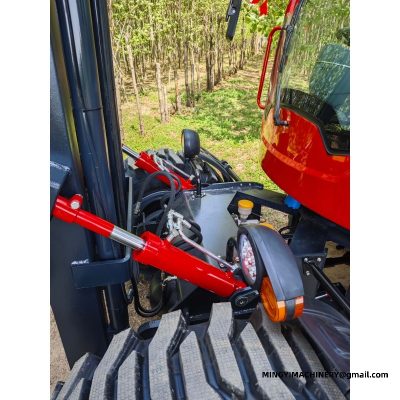
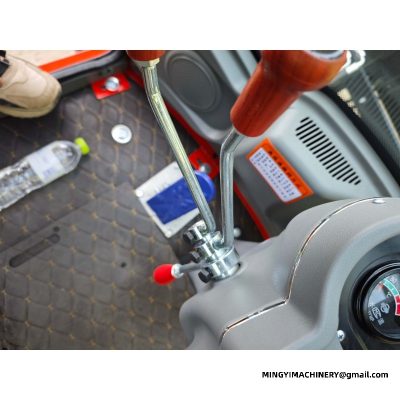
Where the forklift is used matters as much as what it is. Ground, climate, access and the skill of the operator all change the right answer, which is why the sections below start from the working conditions and work towards the specification.
People on foot are the real hazard. A plan that separates pedestrians from the working area of this class of machine, with a banksman where visibility is poor, prevents the incidents that dominate site statistics.
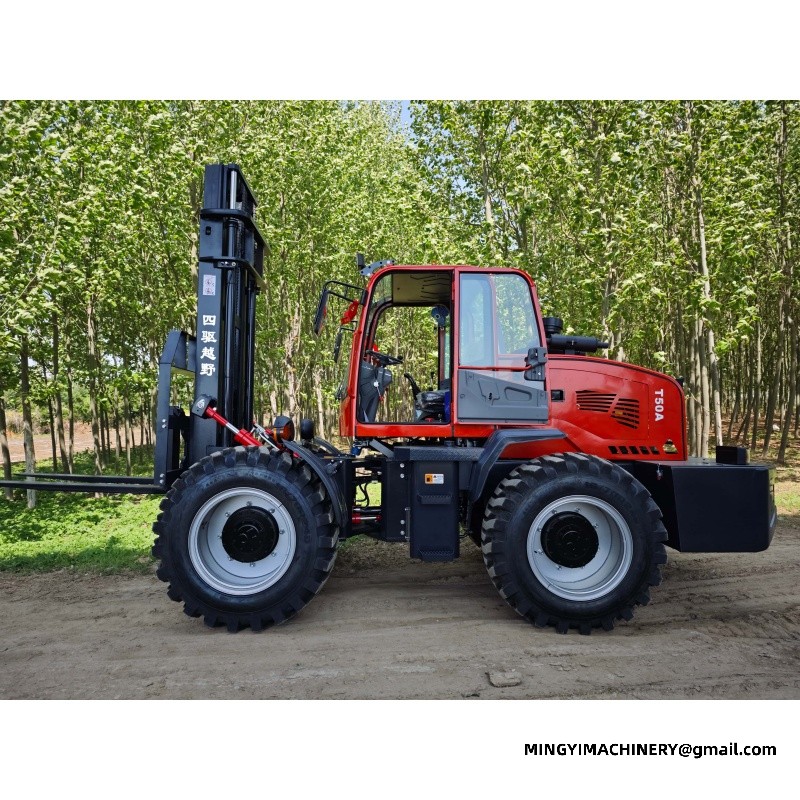
Delivery planning includes the receiving end. Knowing whether the unit in daily use will be craned, driven or forked off, and whether the site can accept it, is settled before dispatch rather than on the day.
Cold changes how a machine starts and how it warms up. Allowing a machine of this size to reach operating temperature before loading it, and using the correct grade of oil and fuel for the season, prevents most cold-start problems.
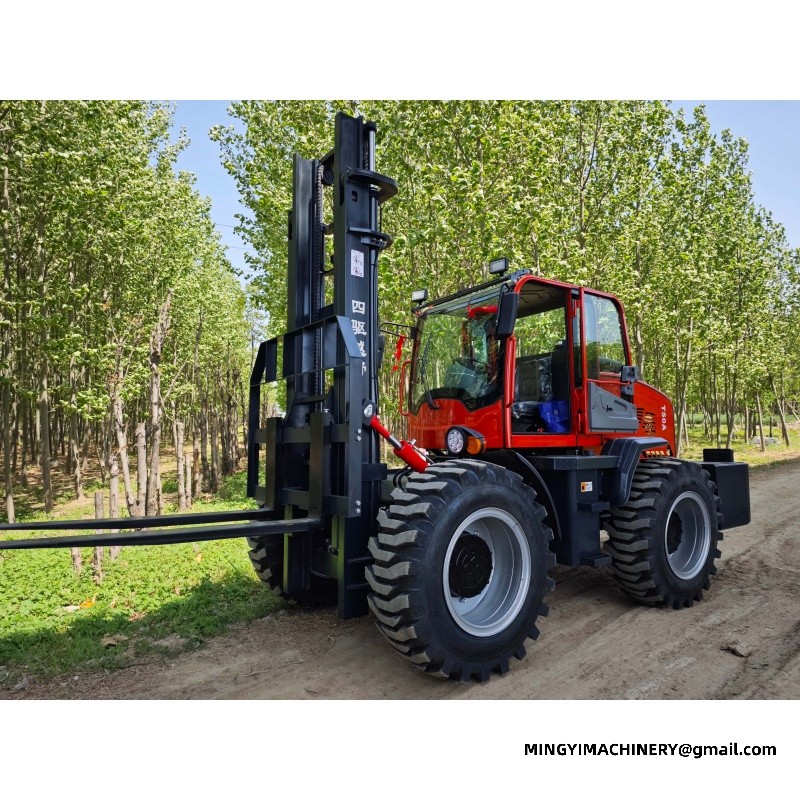
Commissioning is the point where most avoidable issues are found. Checking levels, fasteners and function on the equipment on site before it goes to work takes an hour and prevents a claim conversation later.
Personal protective equipment and a stop rule are simple controls. Agreeing before work starts that anyone can stop the job is the single measure that most often prevents a serious incident near the machine itself.
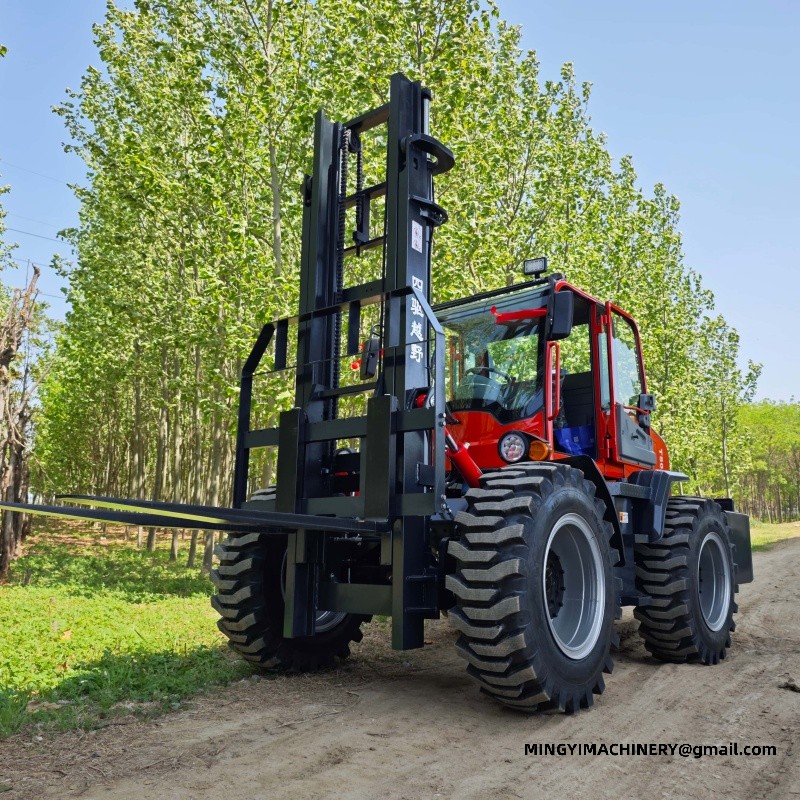
Moving the machine is part of owning it. Overall length, width and height decide which trailer or container the model in question fits, and a machine that needs a permit or an abnormal load escort is a machine with a delivery delay built in. Owners who work across several sites should check the transport dimensions before ordering. The machine in that duty that fits a standard trailer can be moved by any operator with a suitable vehicle, while an over-width machine narrows that choice and complicates every move. Shipping dimensions matter as much on export orders as they do locally. Confirming the packed size of the unit on the job before booking avoids re-booking freight after the machine is built.
Visibility from the seat is different at night. Reflections, shadows and glare all hide detail, so a machine built for the work used after dark benefits from clean lenses, working wipers and a slower working pace. Planning helps more than extra lamps. Positioning the equipment in service so that the work is lit from the machine side, and keeping the route clear, does more for safety than adding light to a badly planned task.
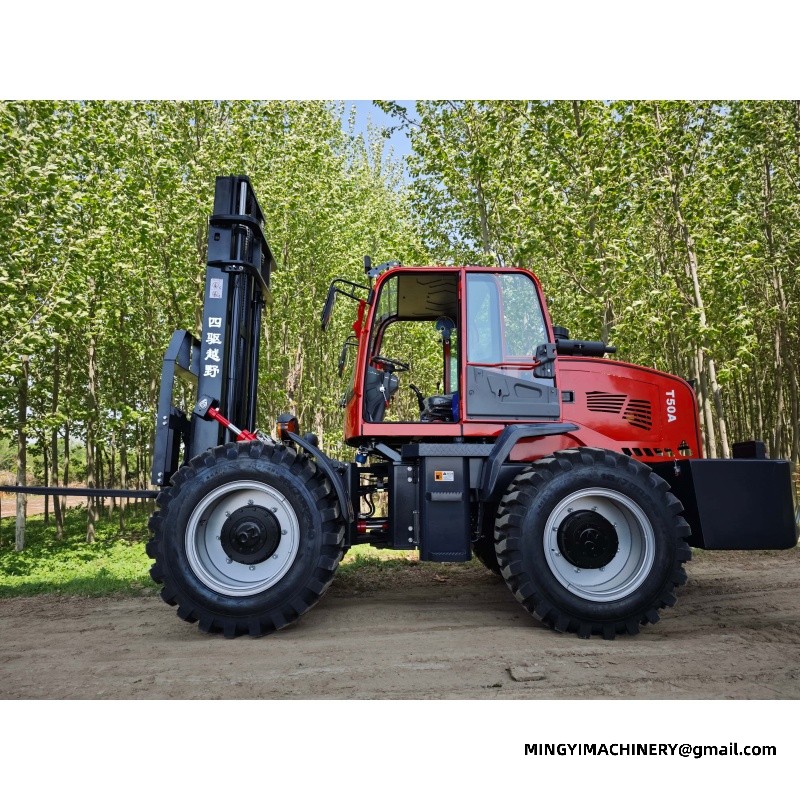
Filters and hydraulic oil condition decide service life. Working in dust and debris, the forklift needs filtration that suits the environment, and oil analysis is the simplest way to see a problem coming.
Brakes on a loaded machine travelling downhill are the critical system. Testing the service and parking brake on the unit in daily use at the start of a shift is simple, and it is the check most often missed.
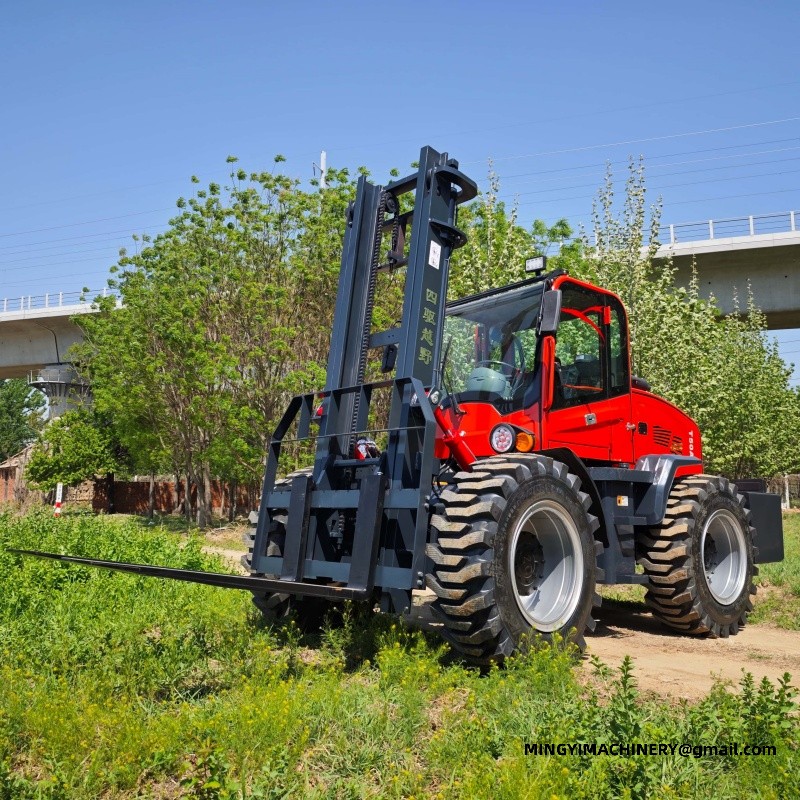
Most owners find that the second attachment changes how often the machine is used. The equipment on site that was bought for one task often becomes the general machine on site once a second tool is available.
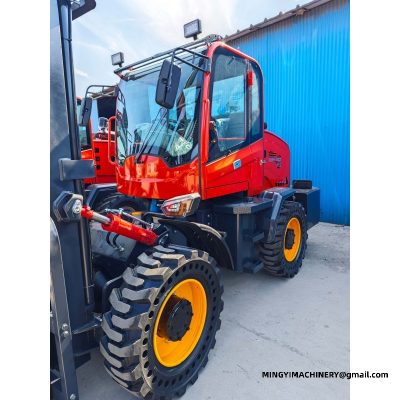
Lighting matters more than it appears. Work that starts before daylight or finishes after it is common on site, and the model in question with adequate forward and rear lighting keeps that work safe. A canopy or cab is a specification, not a luxury. Rain, sun and falling material are the daily conditions for the machine in that duty, and the enclosure is what keeps the operator working through them.
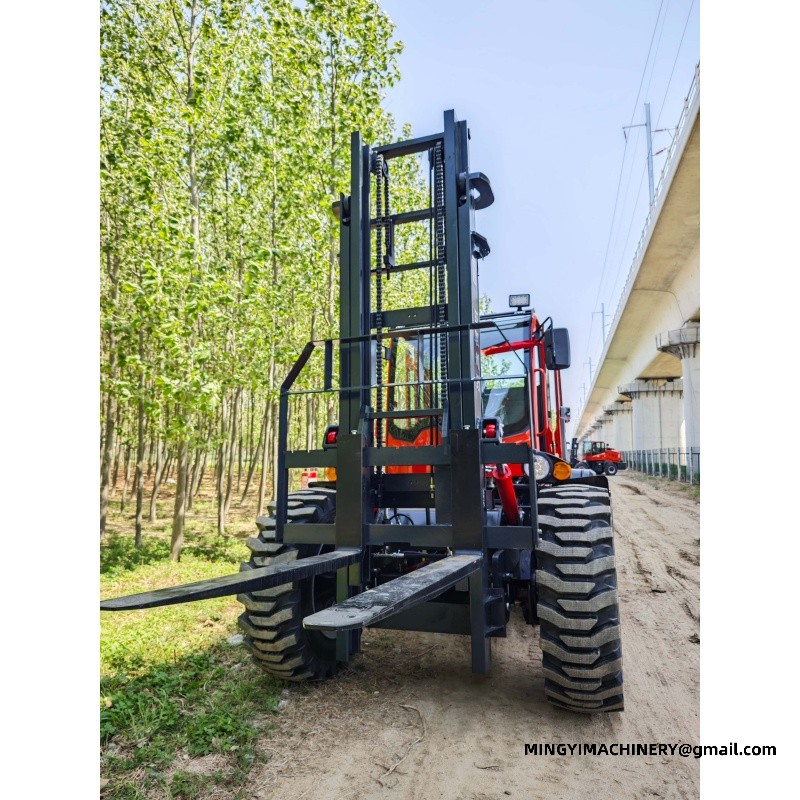
Consumption is best measured over a full week rather than judged per hour. Idle time, repositioning and waiting for other trades are often the largest share of the fuel a machine built for the work burns on a site.
Fleet value comes from interchangeability. Operators who can step between machines without retraining, and a workshop that stocks one set of filters, keep utilisation higher than a fleet of individually optimised units.
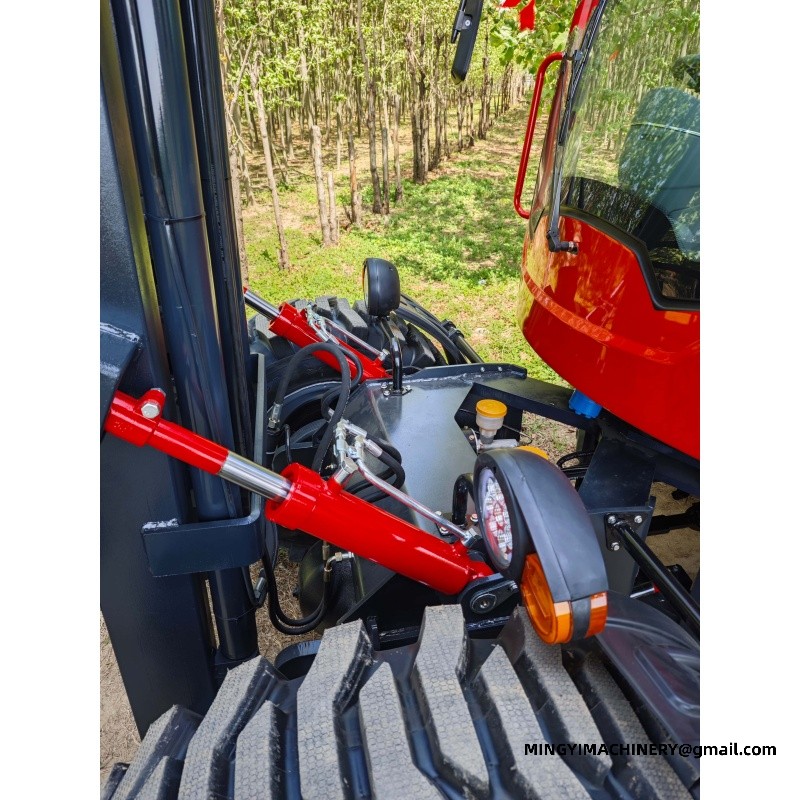
Power unit choice is usually a parts question, not a performance one. Two buyers can order the same this class of machine and sensibly choose different engines, because the right answer depends on which brand the local workshop already supports.
Ground decides more of the outcome than power does. Soft, wet or loose surfaces call for a wider footprint and lower ground pressure, while hard standing allows a narrower machine that turns in less space and travels faster between tasks.
Standing still is hard on machinery. The equipment on site left for weeks benefits from a clean, dry, covered space, a charged battery and a fuel system prepared for the layoff, and all three effort very little. Before-storage preparation prevents most return-to-work faults. Draining or treating fuel, protecting exposed rods and relieving pressure where the maker specifies it are the items worth an hour when the machine itself is parked. A periodic start is better than none. Running the model in question to operating temperature during a long layoff keeps seals and the charging system in better condition than leaving it untouched until the next job.
Keeping the manuals where they can be reached matters. The unit on the job whose documents stay with the machine gets serviced on schedule; one whose paperwork was filed elsewhere tends to run on memory instead.
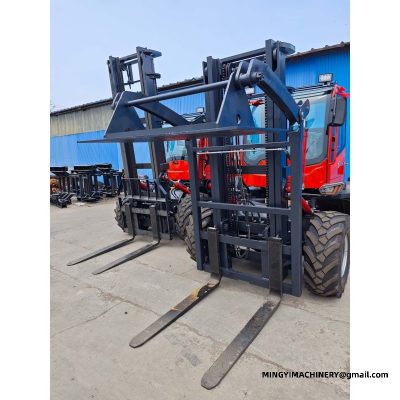
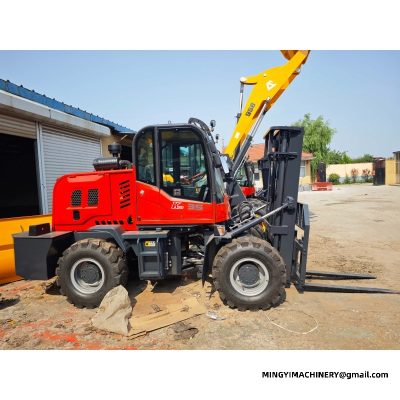
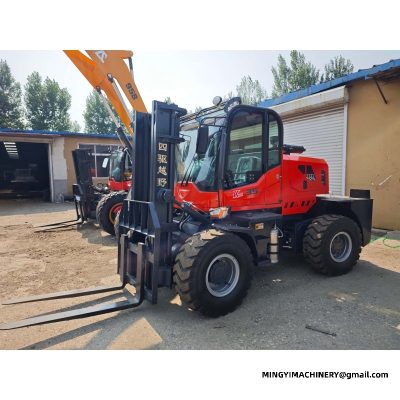
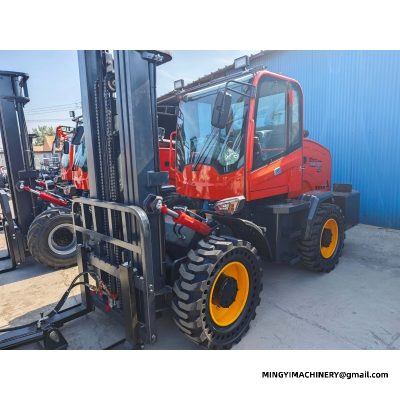
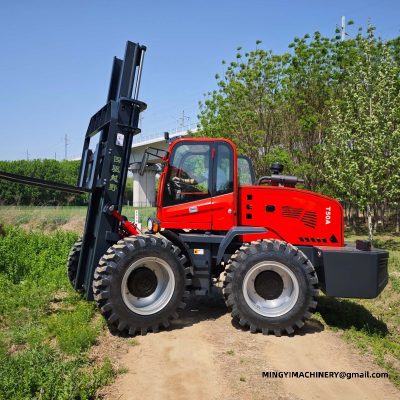
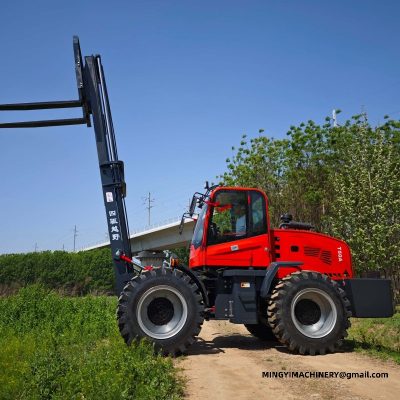
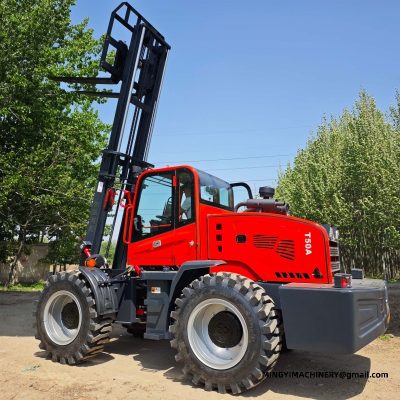
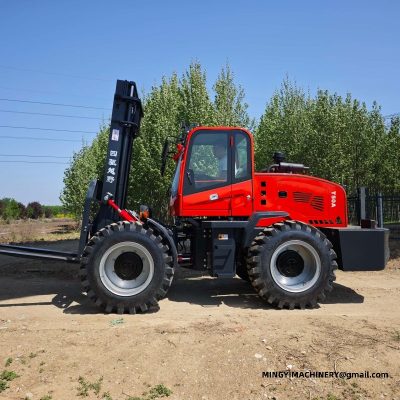
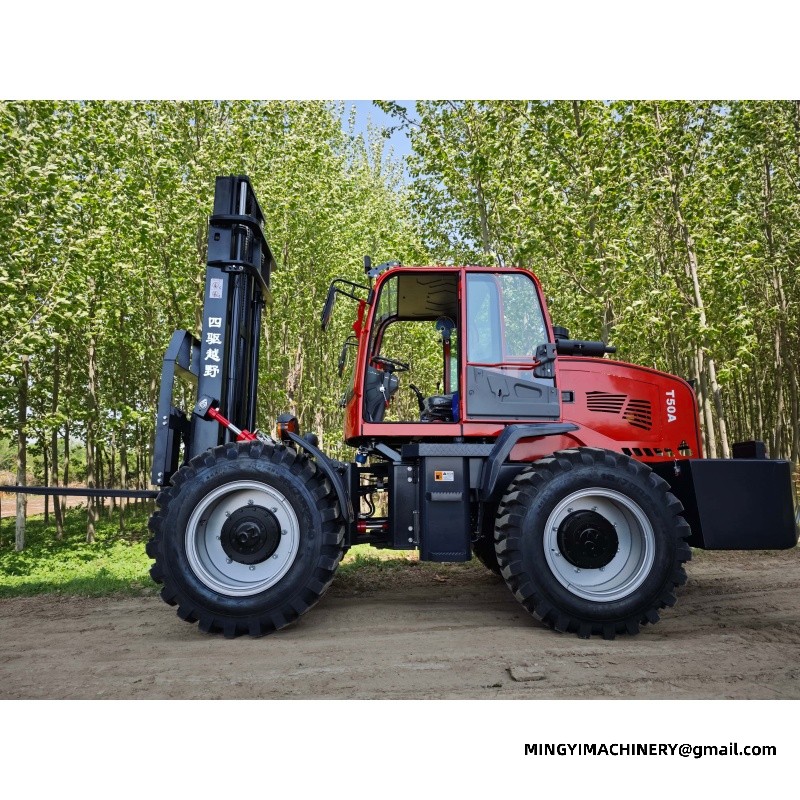
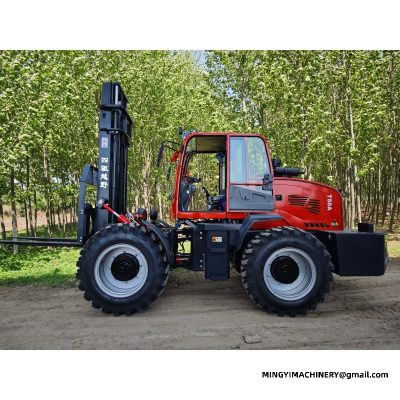
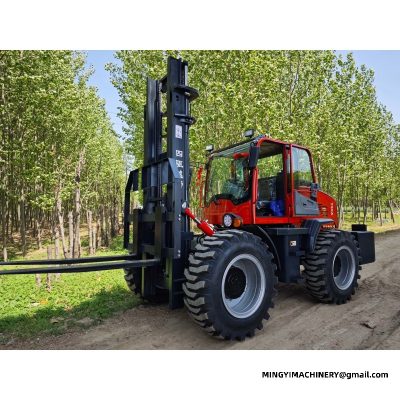
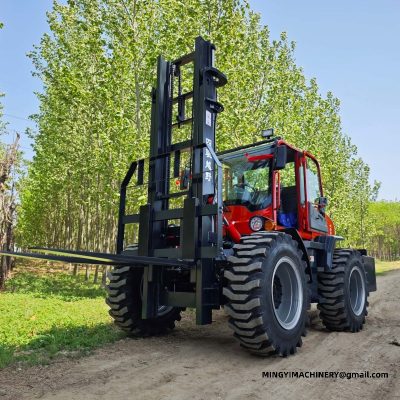
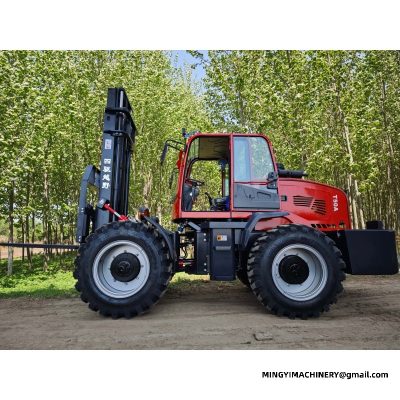
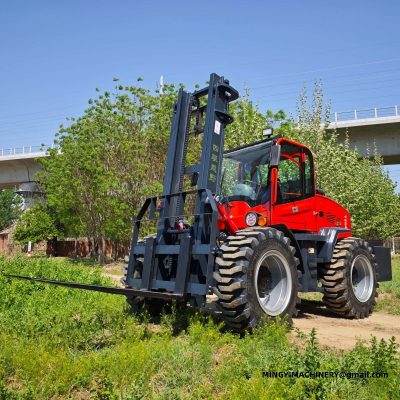
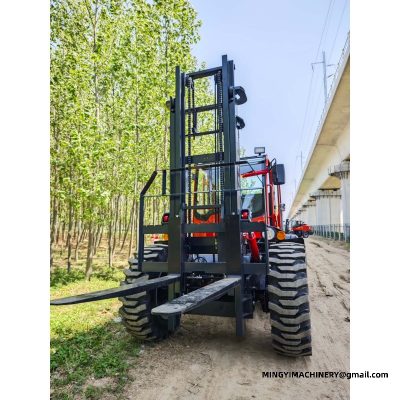
The models below are the four-wheel drive rough terrain forklifts in this range. Capacity, mast, axle and dimensional data are read together, because the load chart at the working height is what the job is actually limited by.
| Model | Wheelbase | Rated lift capacity | Engine | cab | Gradeability | Axle | Overall size | Lift height |
|---|---|---|---|---|---|---|---|---|
| 3.5 trear articulated | 1875 mm | 3500 kg | 49036.8 kw | new electrophoretic deluxe round canopy | 45 deg | heavy cast steel wheel-side reduction axle | 3450 x 1850 x 2250 mm | Lift height 3-6 m |
| 3.5 tfront articulated | 2060 mm | 3500 kg | 49036.8 kw | new electrophoretic deluxe round canopy | 45 deg | heavy cast steel wheel-side reduction axle | 3950 x 1850 x 2380 mm | Lift height 3-6 m |
| CPCD-35 short wheelbase | 1875 mm | 3500 kg | 49036.8 kw | new electrophoretic deluxe round canopy | 45 deg | heavy cast steel wheel-side reduction axle | 3730 x 1850 x 2380 mm | Lift height 3-6 m |
| CPCD-50 short wheelbase | 2160 mm | 5000 kg | 4102 turbo 78 kw*1.36=106.8 hp | new electrophoretic deluxe round canopy | 45 deg | heavy cast steel wheel-side reduction axle | 4450 x 2150 x 2600 mm | Lift height 3-6 m |
| 4 tfront articulated | 2060 mm | 4000 kg | 410265 kw*1.36=88.4 hp | new electrophoretic deluxe round canopy | 45 deg | heavy cast steel wheel-side reduction axle | 4050 x 1950 x 2470 mm | Lift height 3-6 m |
| Item | Note |
|---|---|
| Attachments | Side shift, fork positioner, drum clamp, bale clamp and load stabiliser are the attachments most often specified with this range. |
| Tyre options | Chevron pattern, semi-solid and solid tyres are available; solid tyres suit scrap and foundry work, semi-solid suits mixed ground. |
| Mast and fork options | Two-stage 3 m / 3.5 m / 4 m / 4.5 m masts and three-stage 4.5 m / 5 m / 6 m masts are matched to the load chart before the truck is built. |
The paperwork matters as much as the packing. Serial numbers, dimensions and weights recorded for this class of machine at loading are the same figures the destination needs, and a mismatch here loses more days than the voyage itself.
Service history also protects the warranty position. Evidence that a machine of this size was maintained at the specified intervals and with the specified fluids settles questions that would otherwise be argued.
The calendar decides more than the specification does. Planning when the machine itself will be working, when it will be serviced and when it can be spared keeps the maintenance out of the weeks that matter.
A good handover covers the awkward cases, not just the easy ones. Starting the machine in that duty on a slope, turning in a confined space and recovering from soft ground are the situations an operator should meet first with someone beside them.
Most engine trouble starts with what went into the tank. Clean fuel, stored properly and filtered before it reaches a machine built for the work, prevents more downtime than any other single habit an owner can adopt.
The last hour before packing is the best time to find a fault. Running the forklift through its full working cycle, checking for leaks under load and confirming that the controls match the specification avoids a conversation across time zones later.
Training is simpler than repair. An hour spent with a new operator on the unit in daily use, covering the limits and the awkward cases, is the least lengthy hour in the whole ownership.
Wear items are predictable once the machine has settled in. After the first service interval the pattern on the equipment on site is visible, and the parts that were replaced become the parts that are kept.
Every line above comes from the build sheet for the machine itself, and the final configuration is confirmed against the working conditions and the destination before production.
E-mail:sales@mingycn.com
LINE(ID):mingyicn