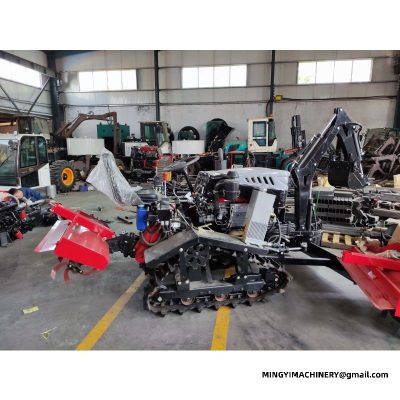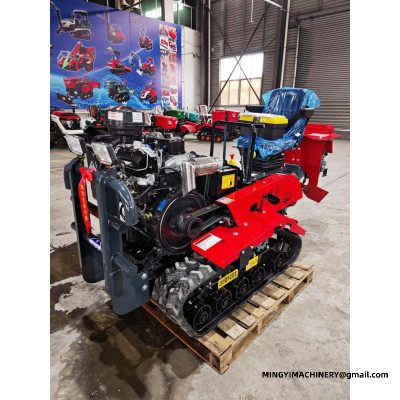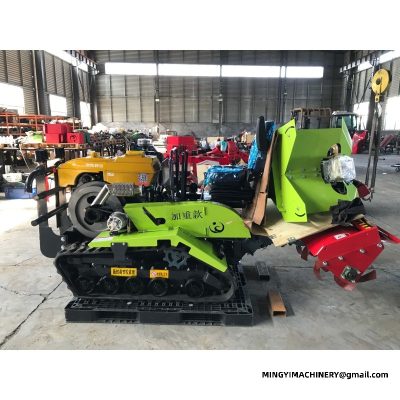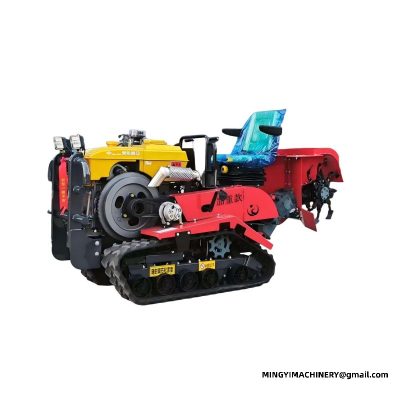
Where the tiller is used matters as much as what it is. Ground, climate, access and the skill of the operator all change the right answer, which is why the sections below start from the working conditions and work towards the specification.
Utilisation matters more than the purchase decision over a few years. This class of machine that sits idle ties up the same yard space standing still as one that earns, so the buying decision should follow the hours the machine will realistically work. Standardising where possible simplifies everything downstream. When several units of the unit in daily use share a service schedule and a parts list, the fleet becomes easier to plan and easier to sell on at replacement time.
Depth is set by the gauge and by the ground, not by the lever alone. A machine of this size that is set too deep loads the engine and the gearbox without improving the seedbed, and the extra depth is usually wasted effort. An even tilth is the point of the pass. Depth that varies across the width of the equipment on site gives a seedbed that germinates unevenly, and the cause is usually a worn blade set rather than the setting.
Handover should include the documents as well as the keys. Parts list, service schedule and the operator notes for the machine itself are what the workshop needs in month six, and they are much harder to obtain later.
Cleaning is maintenance, not appearance. Washing the cooling surfaces and clearing packed material from the model in question keeps temperatures where they should be and makes the next inspection quicker and more useful. Sealed points and guarded areas deserve a look in these conditions. The machine in that duty working in abrasive dust benefits from checked boots, intact guards and clean breathers, all of which are quick to verify.
Reconfiguration can extend the useful life of a machine. The unit on the job that no longer suits the current work may suit it again with a different attachment, guarding or control arrangement. Upgrades should be checked against the base machine. Hydraulic capacity, mounting interface and stability all limit what can reasonably be added to a machine built for the work, and confirming those limits avoids an unsatisfactory result.
The implement is driven from the rear PTO, so the gearbox rating matters. Matching the gearbox of the equipment in service to the widest implement the farm will run avoids a machine that is fine on a tiller and short on a trencher.
Fuel is usually the largest controllable running demand. Operating style, correct tyre or track condition and a clean air supply all move consumption on the tiller by more than most buyers expect. Consumption is best measured over a full week rather than judged per hour. Idle time, repositioning and waiting for other trades are often the largest share of the fuel this class of machine burns on a site.
Blade wear is uneven across the width. Rotating and renewing the set on the unit in daily use before the worst blade fails keeps the tilth even and avoids the vibration that damages the rotor bearings.
Visibility from the seat is different at night. Reflections, shadows and glare all hide detail, so the equipment on site used after dark benefits from clean lenses, working wipers and a slower working pace.
Parts availability usually decides the engine and the brand. A machine built around components the local network already carries is serviced from stock, which is the difference between a day lost and a week lost. Remote diagnosis shortens most faults. A walk-around on video with the panels open often identifies the cause on the model in question without waiting for a visit, and avoids shipping a part that turns out not to be needed.
Machine output varies more between operators than between brands. Smooth, planned movements put less load on the structure and use less fuel, and that difference is visible on the hour meter and in the service bills for the machine in that duty.
Documentation should be agreed at order stage. The commercial invoice, packing list and any certificate required at destination are part of shipping a machine built for the work, and missing papers delay clearance longer than the voyage takes.
Wet and dry field versions exist for a reason. The tiller built only for dry land will struggle in a paddy, while one built for both gives up a little on each and is usually the better choice for a mixed farm.
Resale starts at purchase. Specification choices, service records and the condition of wearing parts are what a buyer looks at, and this class of machine that has been maintained on schedule is worth more than one that merely looks clean. Replacement timing is a planning decision. Knowing the intended working life of the unit in daily use lets an owner sell while the machine still has value rather than after a major repair becomes due. Records are part of the asset. Keeping the service history and the hour records with a machine of this size makes it easier to sell, easier to insure and easier to justify the replacement machine internally.
Duty cycle is the honest measure of a machine. The machine itself working a few hours a week has different needs from one working two shifts, and the cooling, filtration and service intervals should follow the hours rather than the calendar. Seasonal work changes the maintenance calendar. Machines that work hard for two months and stand for ten need preparation before storage and a check before returning to work, and both are simpler than the repairs they prevent. Hour planning helps at resale as well. The model in question with a recorded service history and a sensible hour count is easier to sell than one with the same hours and no records, whatever its condition.
Slopes and edges deserve a separate check. The unit on the job that is stable on level ground behaves differently across a gradient, and the safe working angle is a number worth knowing rather than estimating.
Emissions documentation is part of engine selection for some destinations. Confirming which units can be supplied and documented for the destination country is worth doing at enquiry stage rather than after the build sheet is signed. Matching the engine to the duty matters more than the peak rating. The equipment in service that spends its day at part load benefits from a different setup than one that works at full output, and the difference shows in fuel use over a season.
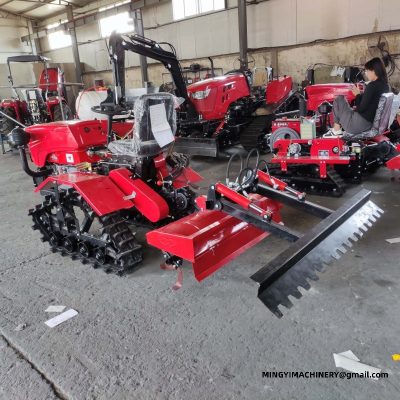
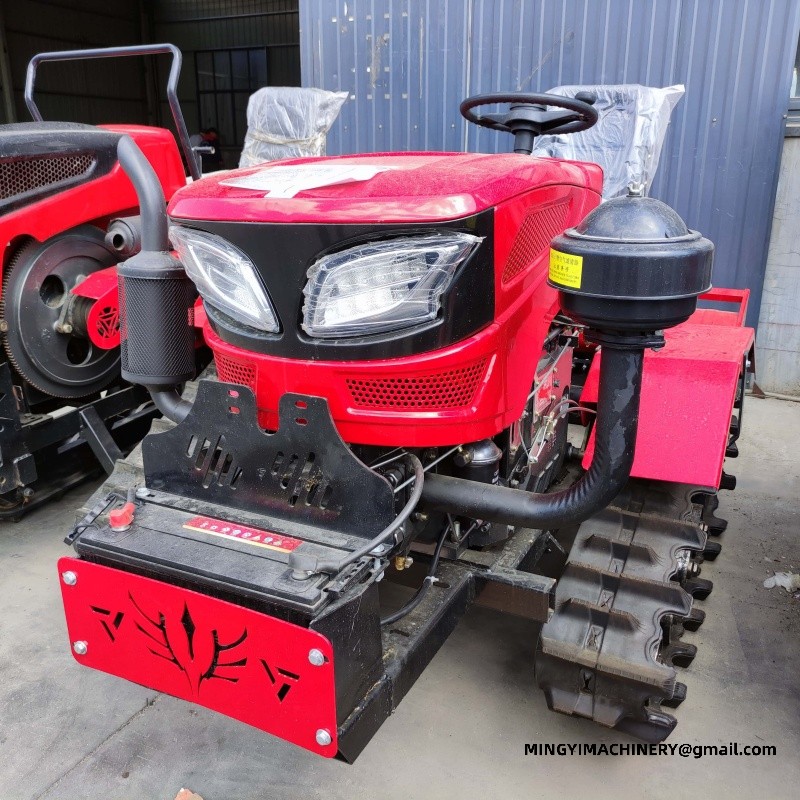
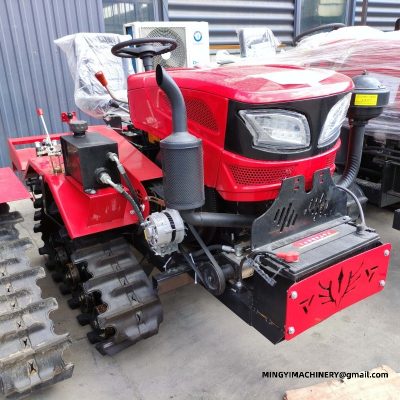
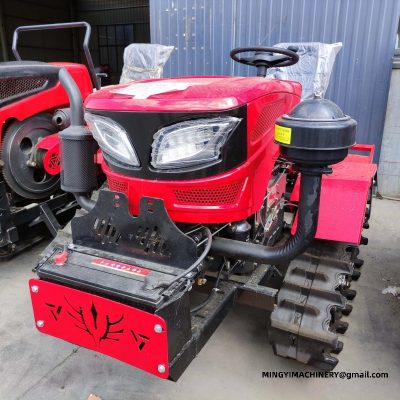
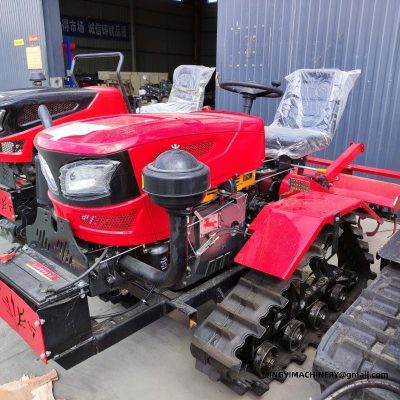
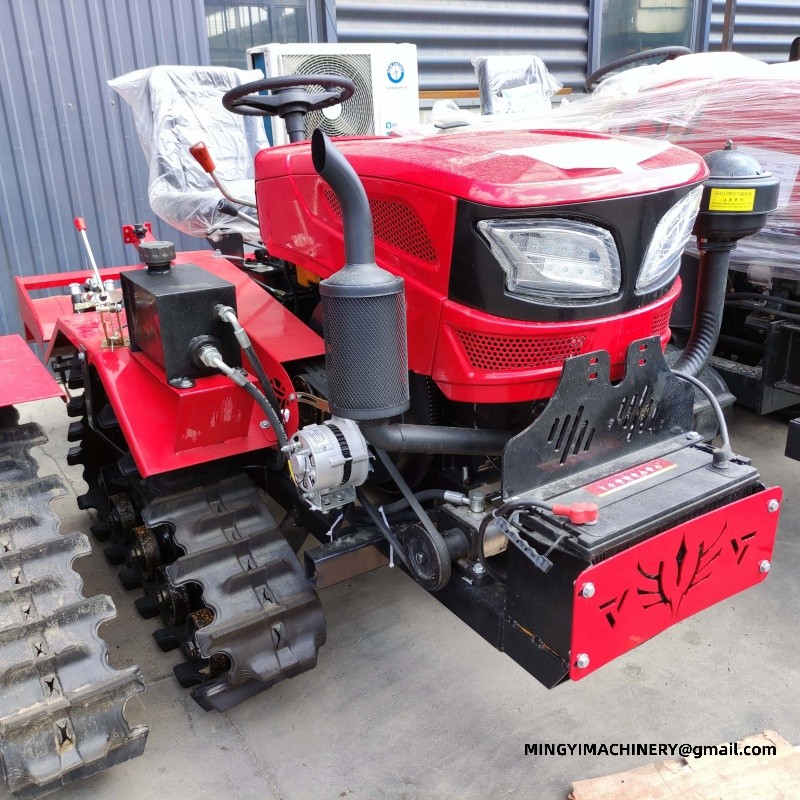
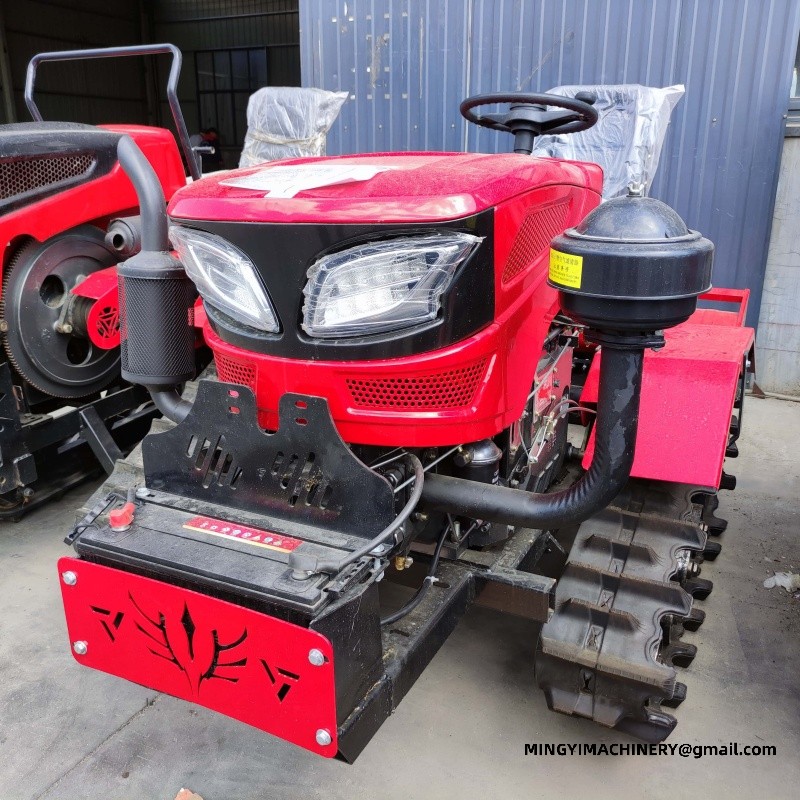
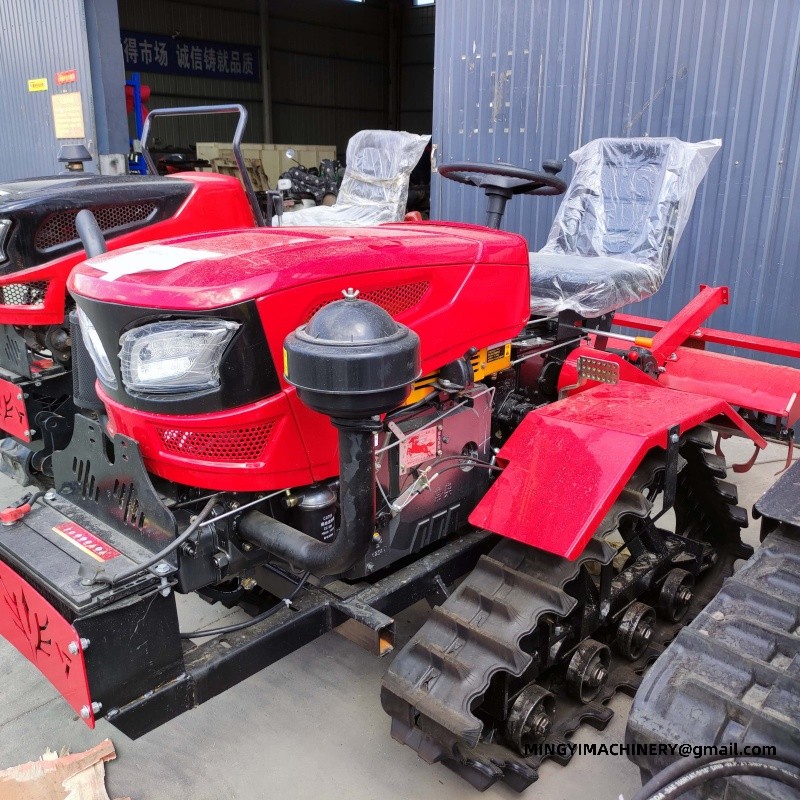
The models below cover the crawler rotary tiller range. Power, working condition, engine series and track width are confirmed together, because the field the machine works in decides the track and the engine before the working width matters.
| Model | Working condition | Engine series | Track width | Induction |
|---|---|---|---|---|
| 60 hp wet and dry field crawler rotary tiller | wet and dry field | 495 series | — | — |
| 50 hp dry field crawler rotary tiller | dry field | 490 series | — | — |
| 120 hp paddy field crawler rotary tiller | paddy field | — | 350 mm | — |
| 80 hp wet and dry field crawler rotary tiller | wet and dry field | 495 series | — | turbocharged |
| 100 hp wet and dry field crawler rotary tiller | wet and dry field | — | 350 mm | — |
| 80 hp wet and dry field crawler rotary tiller | wet and dry field | 495 series | — | turbocharged |
| 70/75 hp wet and dry field crawler rotary tiller | wet and dry field | 490 series | — | turbocharged |
| 130 hp paddy field crawler rotary tiller | paddy field | — | 350 mm | — |
| Item | Note |
|---|---|
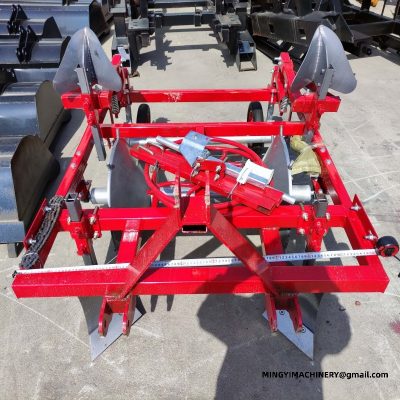
| 1.6 m rotary tillageridgingcombined machine | working width 1.6 m |
| engineering bucket | — |
| deluxe cab | — |
| offset trencher | — |
| simple canopy | — |
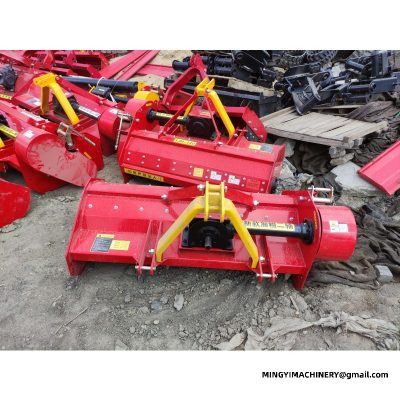
| rotary tiller , 1.8 m working width , 125 gearbox | — |
| rotary tiller , 2.2 m working width , 180 gearbox | — |
| rotary tiller , 1.3 m working width , 125 gearbox | — |
The paperwork matters as much as the packing. Serial numbers, dimensions and weights recorded for a machine of this size at loading are the same figures the destination needs, and a mismatch here loses more days than the voyage itself.
The record should follow the machine, not the owner. When the machine itself changes hands the service history travels with it, and a complete folder is often the difference between a quick sale and a long one.
Seasonal work rewards a machine that can change duty. Through the year the machine in that duty may move from one task to another, and the attachment list should be chosen for the whole year rather than for the first job.
Operators who come from a different machine need a short conversion. The controls on a machine built for the work follow the usual pattern, but the response, the sightlines and the stopping distance are learned by doing rather than by reading.
The symptom is usually not at the fault. A hydraulic function that has become sluggish on the tiller may point to a filter, a relief setting or a pump, and starting with the simple checks avoids the wrong guess.
Wear items are predictable once the machine has settled in. After the first service interval the pattern on the unit in daily use is visible, and the parts that were replaced become the parts that are kept.
Every line above comes from the build sheet for a machine of this size, and the final configuration is confirmed against the working conditions and the destination before production.
E-mail:sales@mingycn.com
LINE(ID):mingyicn