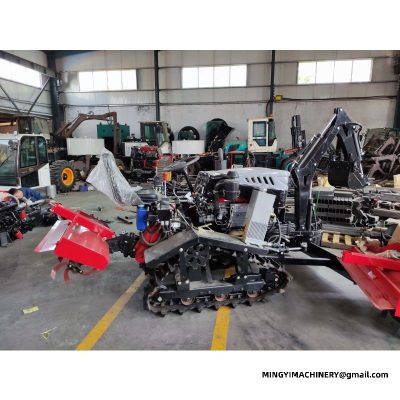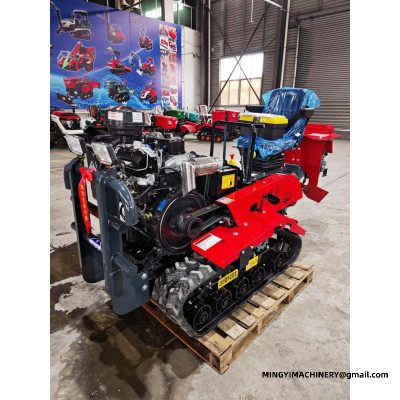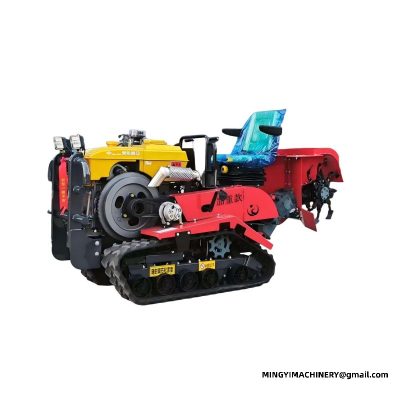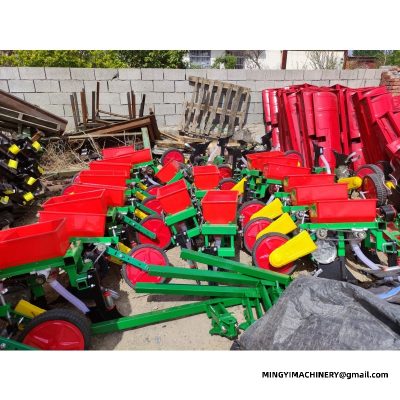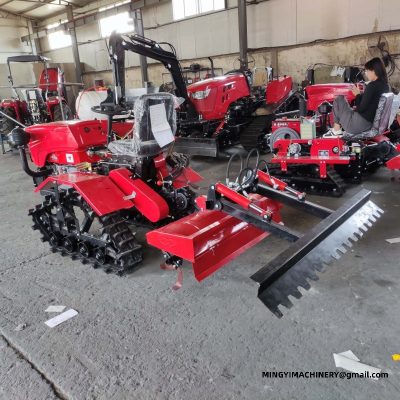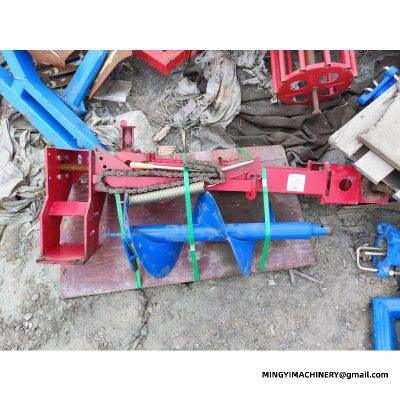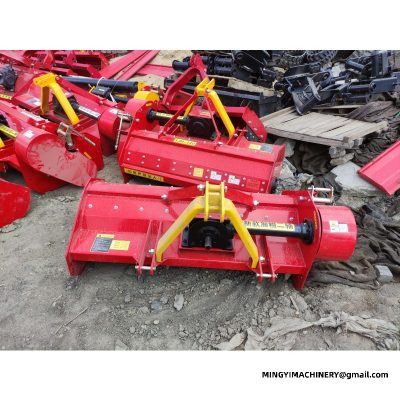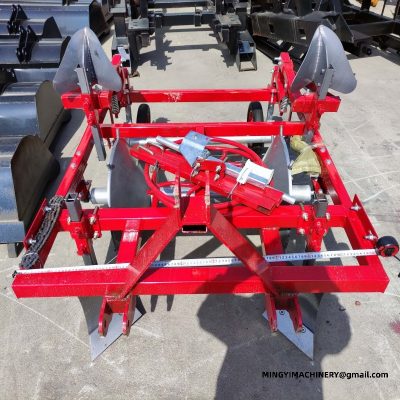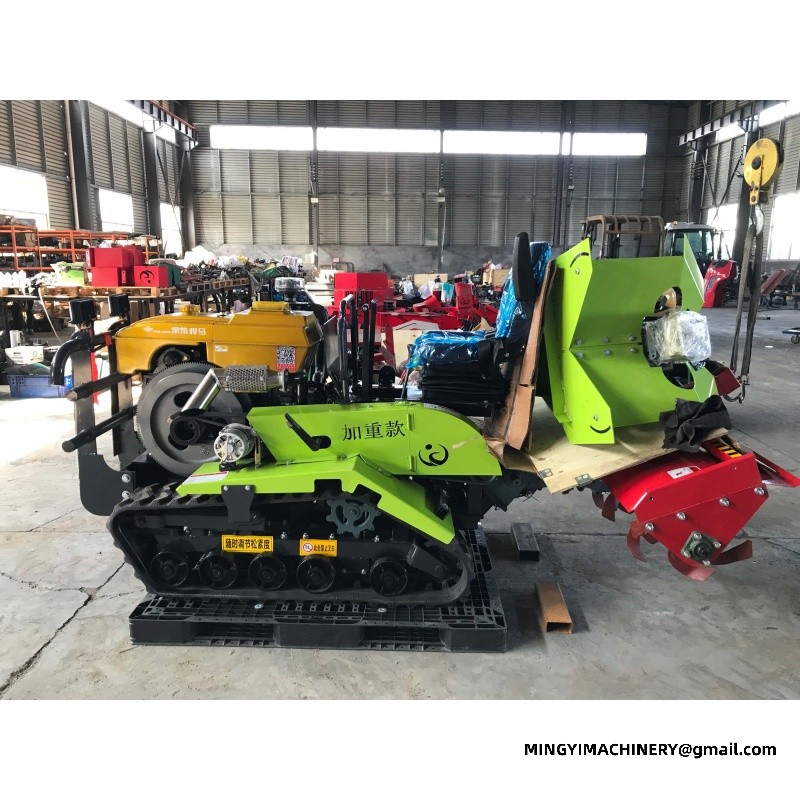
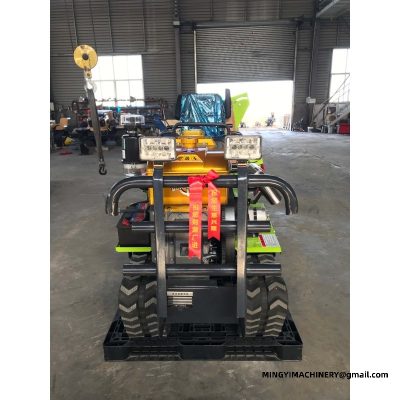
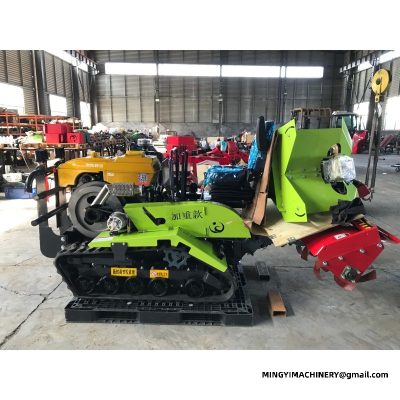
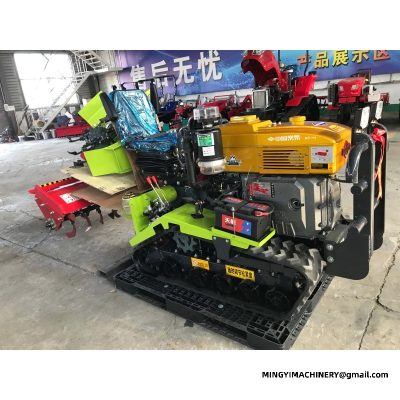
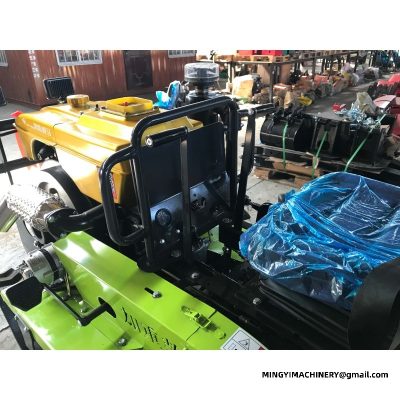
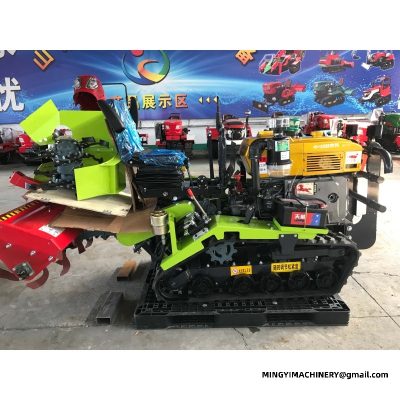
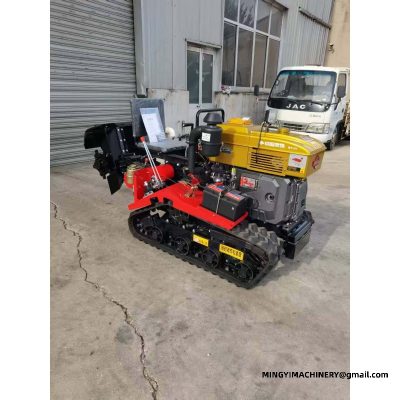
The range covered here includes the tiller in the configurations that are built and shipped. Rather than repeat a specification table on its own, the sections below explain what each figure means in use and where the trade-offs sit.
Lead time is part of the specification. Confirming build time, shipping method and what is included before ordering this class of machine prevents the common gap between when the machine is needed and when it can arrive. The order should state the configuration in writing. Engine, attachments, colour, documents and any market requirement are clearer on the build sheet for the unit in daily use than in a conversation after delivery. Delivery planning includes the receiving end. Knowing whether a machine of this size will be craned, driven or forked off, and whether the site can accept it, is settled before dispatch rather than on the day.
An even tilth is the point of the pass. Depth that varies across the width of the equipment on site gives a seedbed that germinates unevenly, and the cause is usually a worn blade set rather than the setting. Second passes effort time and fuel. Getting the depth and speed right on the first pass with the machine itself is the simplest improvement available, and it is mostly a matter of operator habit.
Soil moisture decides the outcome more than power does. Working the model in question when the ground is too wet smears the furrow and compacts below it, and the damage shows up in the following crop rather than in the same week.
Seasonal work changes the maintenance calendar. Machines that work hard for two months and stand for ten need preparation before storage and a check before returning to work, and both are simpler than the repairs they prevent. Hour planning helps at resale as well. The machine in that duty with a recorded service history and a sensible hour count is easier to sell than one with the same hours and no records, whatever its condition.
A periodic start is better than none. Running the unit on the job to operating temperature during a long layoff keeps seals and the charging system in better condition than leaving it untouched until the next job.
Fleet value comes from interchangeability. Operators who can step between machines without retraining, and a workshop that stocks one set of filters, keep utilisation higher than a fleet of individually optimised units. Utilisation matters more than the purchase decision over a few years. A machine built for the work that sits idle ties up the same yard space standing still as one that earns, so the buying decision should follow the hours the machine will realistically work.
Reconfiguration can extend the useful life of a machine. The equipment in service that no longer suits the current work may suit it again with a different attachment, guarding or control arrangement.
A simple log helps. Recording hours, fuel and any adjustment made to the tiller gives the workshop a history, and that history is what turns an intermittent fault into a one-visit repair instead of three.
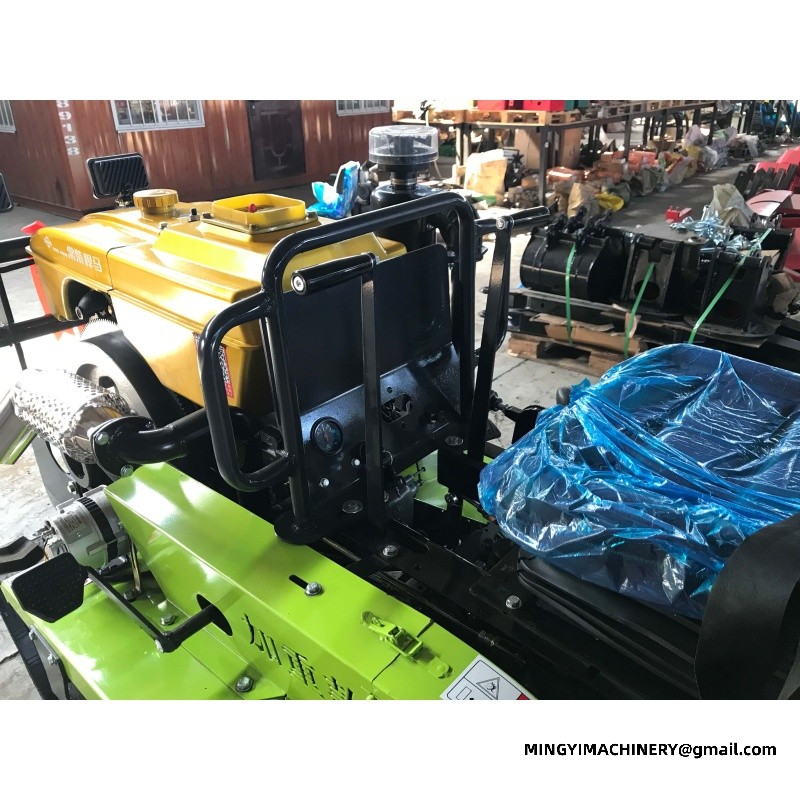
Build options are where a standard machine becomes the right machine. Colour, guarding, lighting, seating and hydraulic provisions can usually be set at build time on the unit in daily use, and are far simpler then than as a retrofit. Fleet buyers often want consistency rather than variety. Specifying a machine of this size so that several units share controls, filters and service points reduces training time and keeps the parts shelf small.
The base machine is only as useful as the tool on the end of it. Matching the attachment to the task - rather than to what arrived with the machine - is what lets one the model in question cover several jobs across a week. Most owners find that the second attachment changes how often the machine is used. The machine itself that was bought for one task often becomes the general machine on site once a second tool is available.
Most incidents around machinery come from the space rather than the machine. Exclusion zones, a clear signal person and a check on what is behind the equipment in service before it moves cover the large majority of the risk on a working site. Slopes and edges deserve a separate check. The unit on the job that is stable on level ground behaves differently across a gradient, and the safe working angle is a number worth knowing rather than estimating. Personal protective equipment and a stop rule are simple controls. Agreeing before work starts that anyone can stop the job is the single measure that most often prevents a serious incident near a machine built for the work.
Row work is about width and clearance. This class of machine used between vines or under orchard trees has to fit the row, and the working width and overall height are specified from the planting rather than from the field size. Row crop work also means working around obstacles. Guards, lighting and a clear view from the seat are what let the unit in daily use work close to trunks and posts without damage to either.
Moving the machine is part of owning it. Overall length, width and height decide which trailer or container the equipment on site fits, and a machine that needs a permit or an abnormal load escort is a machine with a delivery delay built in.
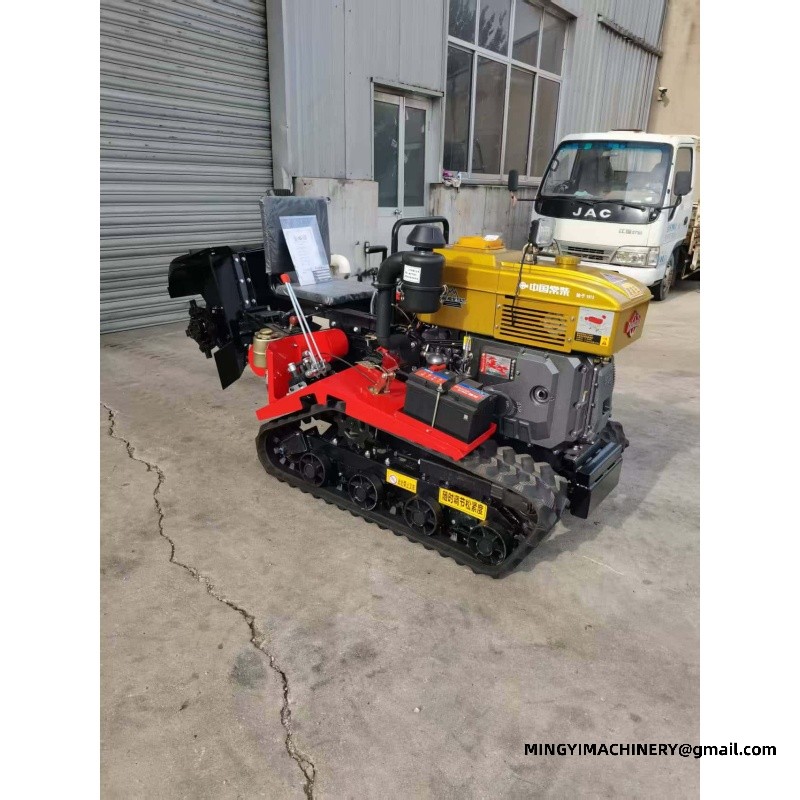
Fuel is usually the largest controllable running demand. Operating style, correct tyre or track condition and a clean air supply all move consumption on the model in question by more than most buyers expect. Consumption is best measured over a full week rather than judged per hour. Idle time, repositioning and waiting for other trades are often the largest share of the fuel the machine in that duty burns on a site. Planning the work to reduce empty movement is free. Fewer repositioning cycles on the unit on the job means less fuel, less wear on the undercarriage or tyres and more of the shift spent on productive work.
The implement is driven from the rear PTO, so the gearbox rating matters. Matching the gearbox of the tiller to the widest implement the farm will run avoids a machine that is fine on a tiller and short on a trencher. Implement width should follow the power. The equipment in service with an implement wider than it can drive will labour, burn more fuel and leave an uneven tilth, and the correct width is the one that holds a steady engine speed. Changing implements is routine work. Quick hitch geometry, PTO guard condition and the hydraulic services on this class of machine decide how long a change takes, and that time is what a contractor loses money on.
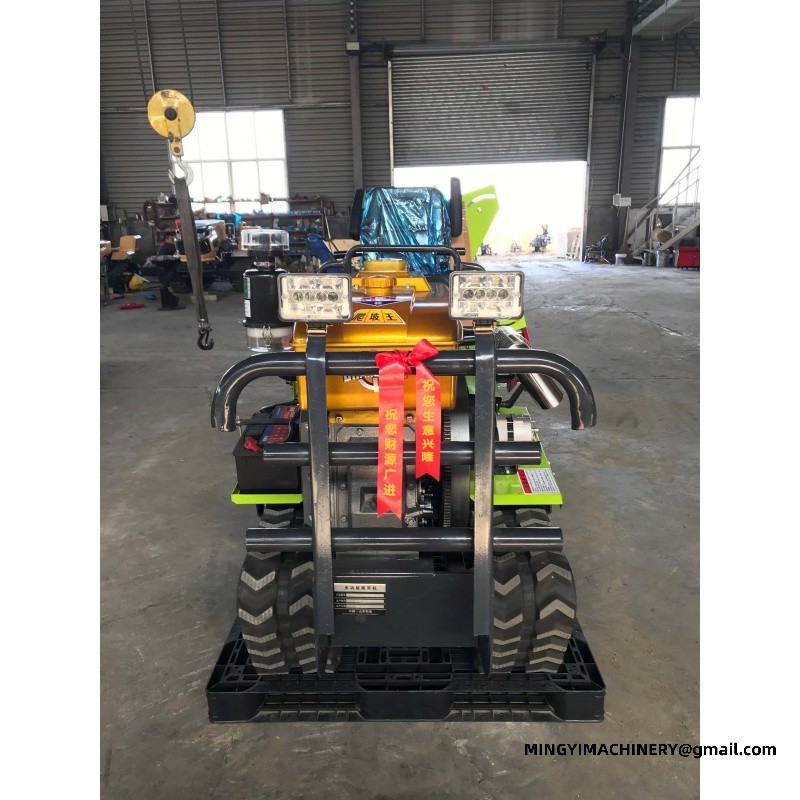
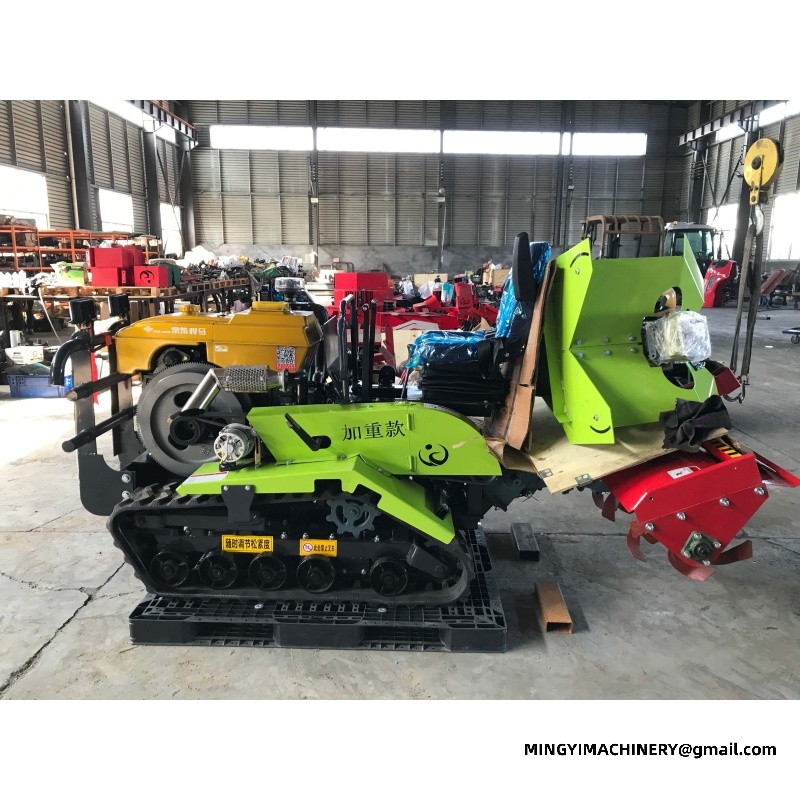
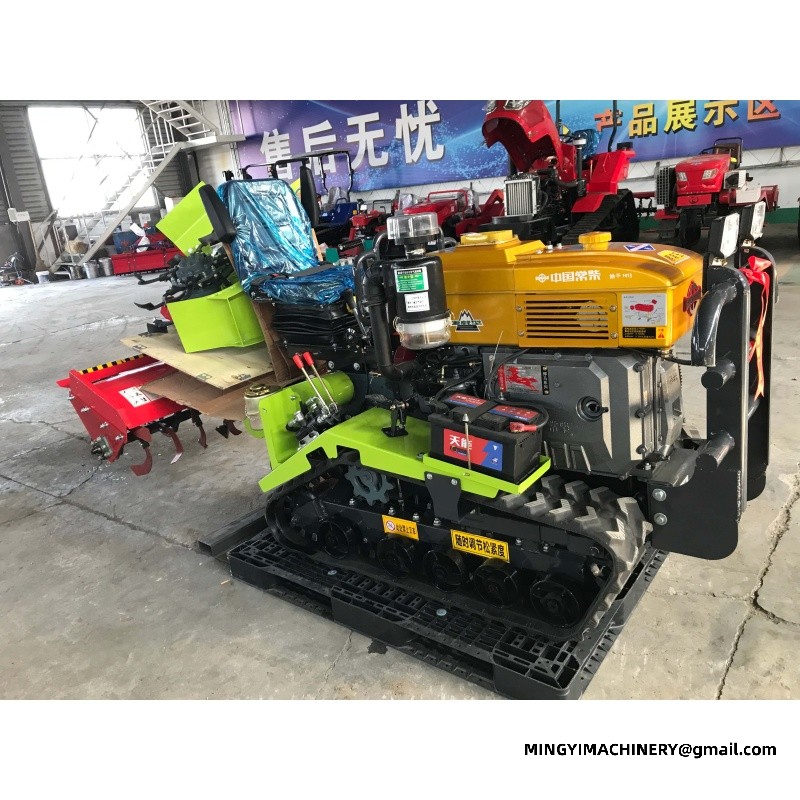
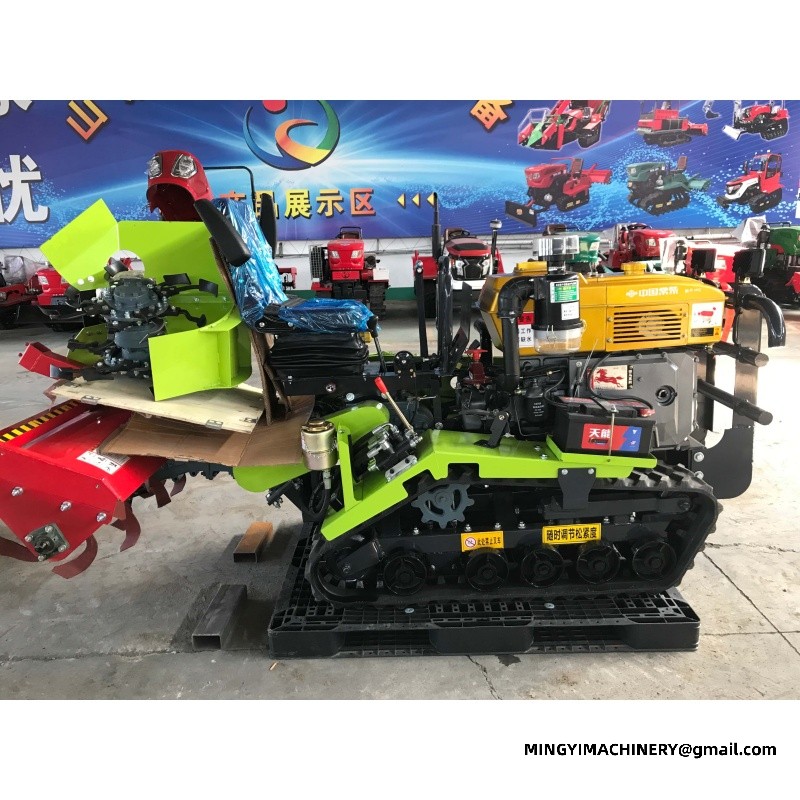
The models below cover the crawler rotary tiller range. Power, working condition, engine series and track width are confirmed together, because the field the machine works in decides the track and the engine before the working width matters.
| Model | Working condition | Engine series | Induction | Track width |
|---|---|---|---|---|
| 80 hp wet and dry field crawler rotary tiller | wet and dry field | 495 series | turbocharged | — |
| 50 hp dry field crawler rotary tiller | dry field | 490 series | — | — |
| 120 hp paddy field crawler rotary tiller | paddy field | — | — | 350 mm |
| 70/75 hp wet and dry field crawler rotary tiller | wet and dry field | 490 series | turbocharged | — |
| 50 hp wet and dry field crawler rotary tiller | wet and dry field | 490 series | — | — |
| 60 hp dry field crawler rotary tiller | dry field | 495 series | — | — |
| 60 hp wet and dry field crawler rotary tiller | wet and dry field | 495 series | — | — |
| 80 hp wet and dry field crawler rotary tiller | wet and dry field | 495 series | turbocharged | — |
| Item | Note |
|---|---|
| sprayer | — |
| rotary tiller , 2.2 m working width , 180 gearbox | — |
| 1.3 m straw returning | working width 1.3 m |
| rotary tiller , 1.5 m working width , 125 gearbox | — |
| 1.5 m straw returning | working width 1.5 m |
| vine burying machine | — |
| simple canopy | — |
| deluxe cab | — |
Heat and dust shorten service intervals rather than machine life. In these conditions the filters on the machine itself need attention more often, and the cooling surfaces need to be kept clear to hold the working temperature.
Loading is where most damage happens. Ramps, angle of approach and the condition of the ground under them matter more than the machine when the machine in that duty is being loaded, and a careful driver is worth more than a fast one.
A written record is worth more than a good memory. Dates, hours and the parts fitted on a machine built for the work turn a guess about the next service into a fact, and they are the first thing a buyer asks to see.
The parts that stop a machine are rarely the parts that are hardest to find. Filters, belts, seals and the ground engaging tools on the tiller are easy to hold and slow to replace, which is why they belong on the shelf rather than on an order.
Machines rarely fail without warning. A change in sound, a slower function or a new leak on the unit in daily use is the machine saying something early, and listening then takes a fraction of the time that waiting does.
The machine is only half of what arrives. The parts book, the service schedule and the declarations that come with the equipment on site are what let the owner register, insure and maintain it without a second round of emails.
Every line above comes from the build sheet for the machine itself, and the final configuration is confirmed against the working conditions and the destination before production.
E-mail:sales@mingycn.com
LINE(ID):mingyicn