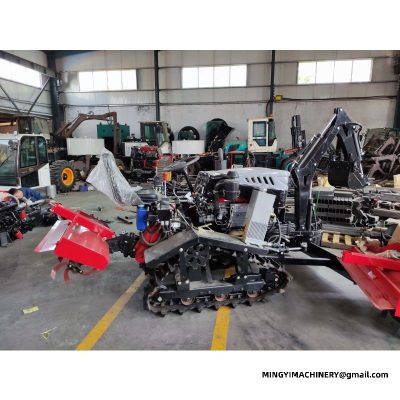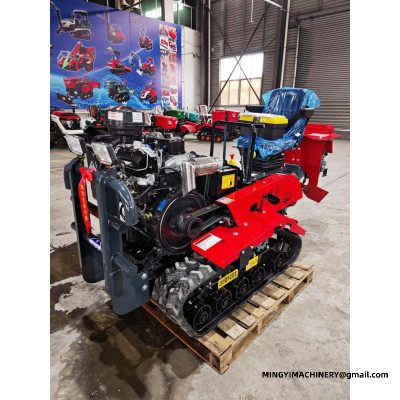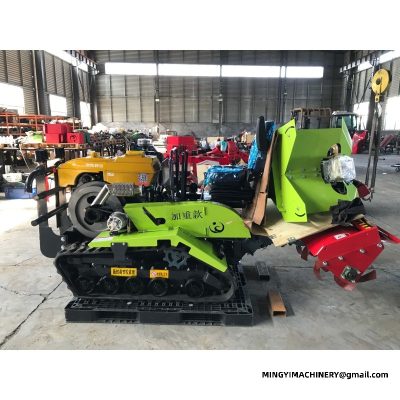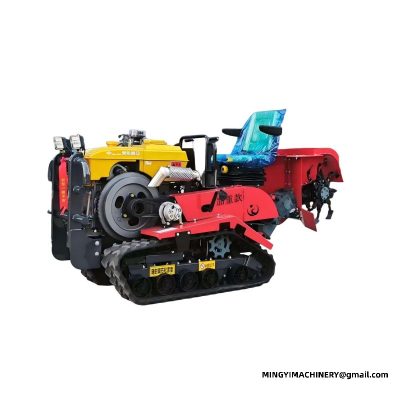
There is a version of the tiller for almost every site, and the differences are practical rather than cosmetic. What follows is organised the way a specification is actually settled: the job first, then the ground, then the machine, then the paperwork.
Standing still is hard on machinery. This class of machine left for weeks benefits from a clean, dry, covered space, a charged battery and a fuel system prepared for the layoff, and all three effort very little. Before-storage preparation prevents most return-to-work faults. Draining or treating fuel, protecting exposed rods and relieving pressure where the maker specifies it are the items worth an hour when the unit in daily use is parked. A periodic start is better than none. Running a machine of this size to operating temperature during a long layoff keeps seals and the charging system in better condition than leaving it untouched until the next job.
Blade wear is uneven across the width. Rotating and renewing the set on the equipment on site before the worst blade fails keeps the tilth even and avoids the vibration that damages the rotor bearings. Keeping a spare set is simple insurance. During a short season the difference between working and waiting on the machine itself is often a set of blades and the half hour needed to fit them.
Most incidents around machinery come from the space rather than the machine. Exclusion zones, a clear signal person and a check on what is behind the model in question before it moves cover the large majority of the risk on a working site.
Planning helps more than extra lamps. Positioning the machine in that duty so that the work is lit from the machine side, and keeping the route clear, does more for safety than adding light to a badly planned task.
Familiarisation should cover the limits as well as the controls. Knowing where the unit on the job loses stability, how it behaves at full reach, and what the warning lights mean prevents the incidents that are put down to bad luck. A short handover pays for itself. Operators who understand why a machine built for the work is set up the way it is will report a change in behaviour early, which is usually the point where a repair is simplest.
Cleaning is maintenance, not appearance. Washing the cooling surfaces and clearing packed material from the equipment in service keeps temperatures where they should be and makes the next inspection quicker and more useful.
Cold changes how a machine starts and how it warms up. Allowing the tiller to reach operating temperature before loading it, and using the correct grade of oil and fuel for the season, prevents most cold-start problems. Batteries and fluids are the parts that notice the cold first. This class of machine kept on a maintainer through a freezing spell starts on the first turn, while one left standing is the usual cause of a lost morning. Low temperatures also make materials behave differently. Ground that is frozen hard in the morning can be soft by midday, and planning the sequence around that is easier than fighting it with the unit in daily use.
Tillage quality starts with the soil, not the machine. Dry, friable ground breaks up in one pass, while the same a machine of this size on heavy wet clay needs a second pass and a lower gear, so the ground survey belongs before the working width is chosen.
Service intervals exist because wear is predictable. Following the maker schedule on the machine itself takes far less time than repairing the damage that follows a missed oil change or a filter left in place past its life.
Resale starts at purchase. Specification choices, service records and the condition of wearing parts are what a buyer looks at, and the model in question that has been maintained on schedule is worth more than one that merely looks clean.
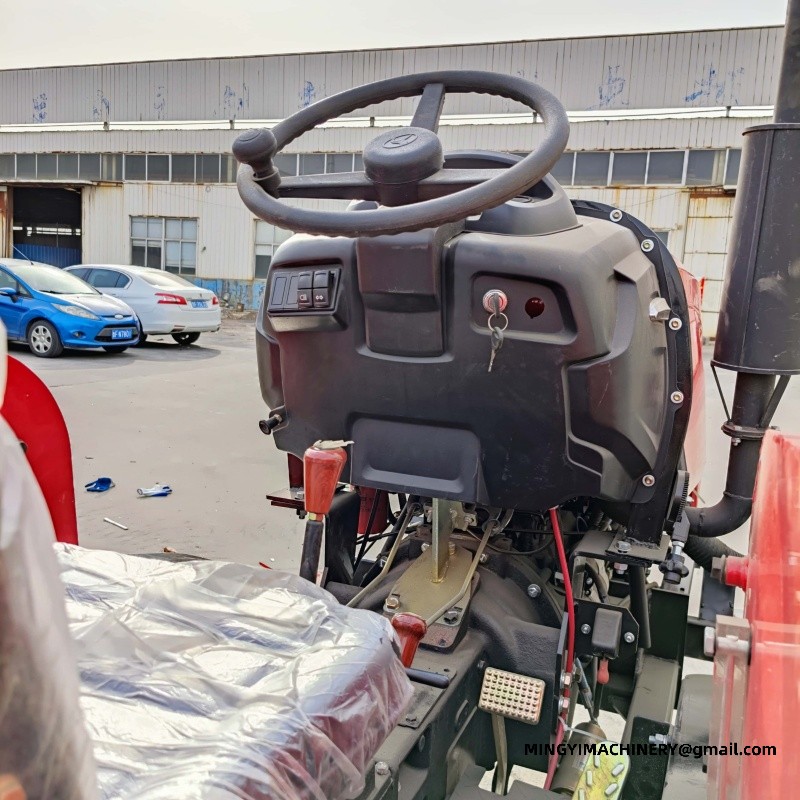
The order should state the configuration in writing. Engine, attachments, colour, documents and any market requirement are clearer on the build sheet for the unit on the job than in a conversation after delivery.
Certain parts are designed to be consumed. Knowing which items on the equipment in service are wearing parts, and roughly how long they last in the duty the machine sees, turns replacement into a plan rather than a breakdown. Wear rate follows conditions far more than hours. The tiller working on abrasive ground or in mud will consume undercarriage or tyre life much faster than the same machine on clean ground. Replacing wear items early is usually simpler. Worn components on this class of machine load the parts they run against, so a worn part left too long often becomes a major repair.
Early faults are usually simple. The unit in daily use that behaves differently in its first few hours is more often mis-set than defective, and a call to the supplier at that point usually resolves it the same day.
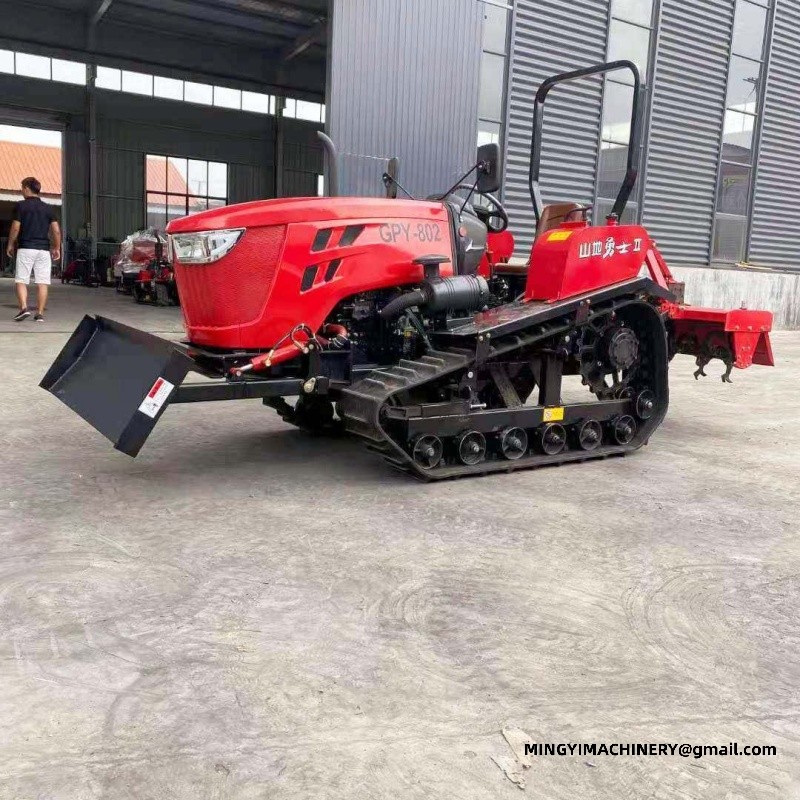
A short familiarisation session prevents the early faults. Most first-month problems on the equipment on site come from unfamiliarity with controls, limits or checks rather than from the machine itself. Keeping the manuals where they can be reached matters. The machine itself whose documents stay with the machine gets serviced on schedule; one whose paperwork was filed elsewhere tends to run on memory instead.
Access and storage are worth settling early. Where the machine in that duty will be parked, refuelled and serviced on site affects the working day more than most specification details, and it takes nothing to plan.
Export orders add steps that domestic buyers never see. Packed dimensions, securing points, documentation and any dismantling required are all settled before a machine built for the work leaves the factory, and each one affects the freight booking. Container loading is a planning exercise. Confirming how the equipment in service is packed and how many units fit a container is what turns a per-unit freight estimate into a delivered figure the buyer can actually plan against.
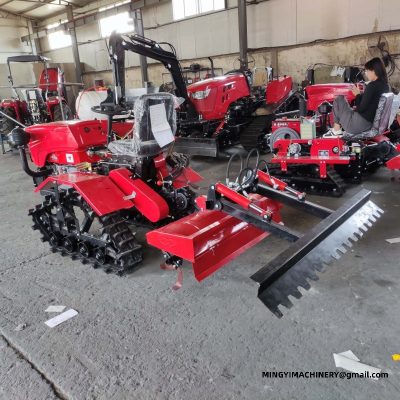
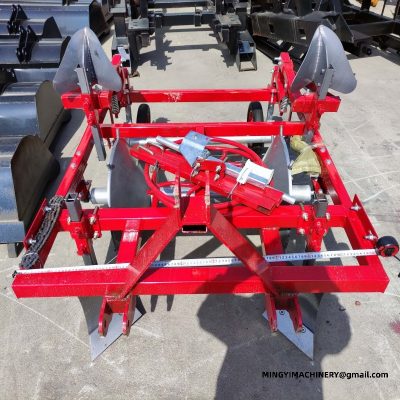
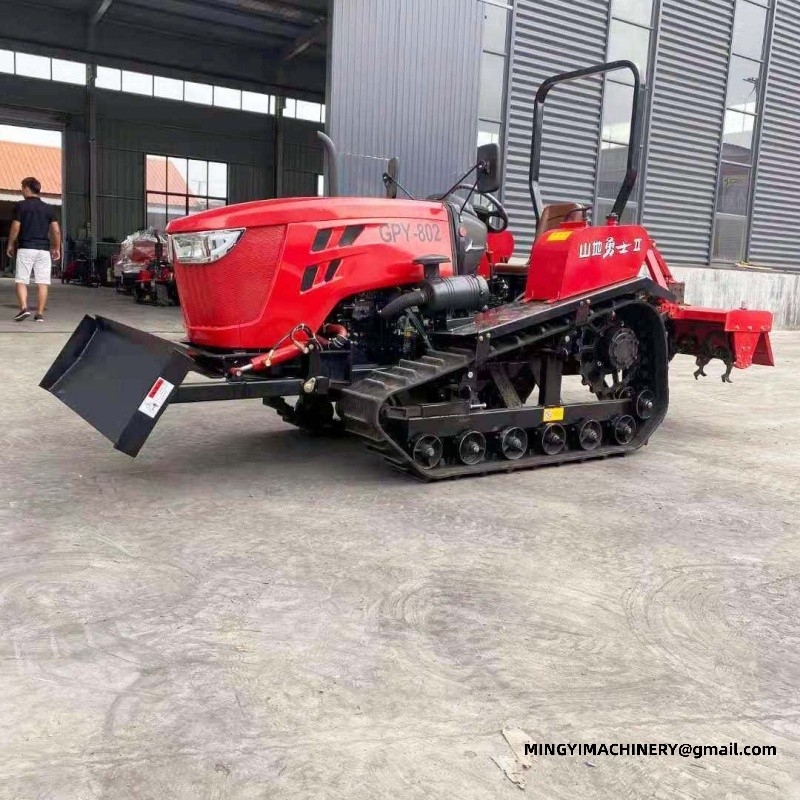
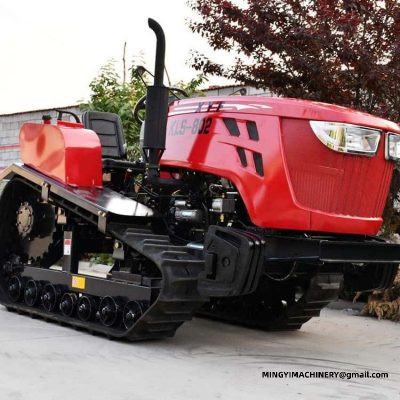
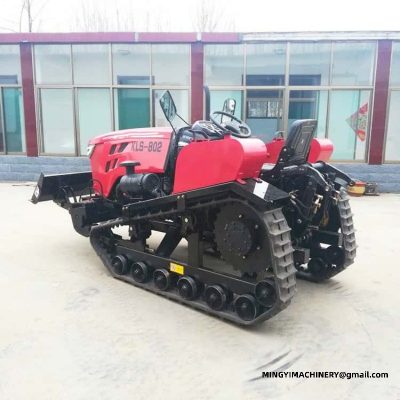
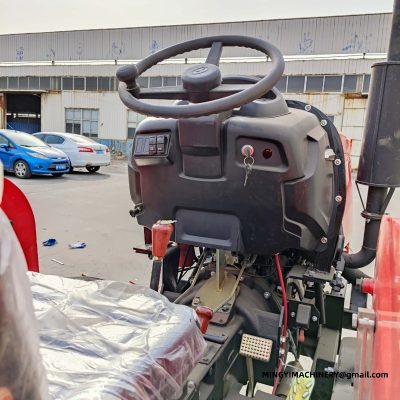
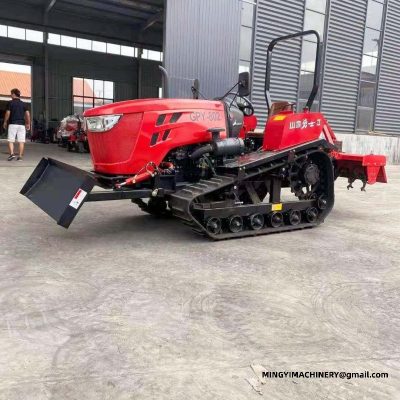
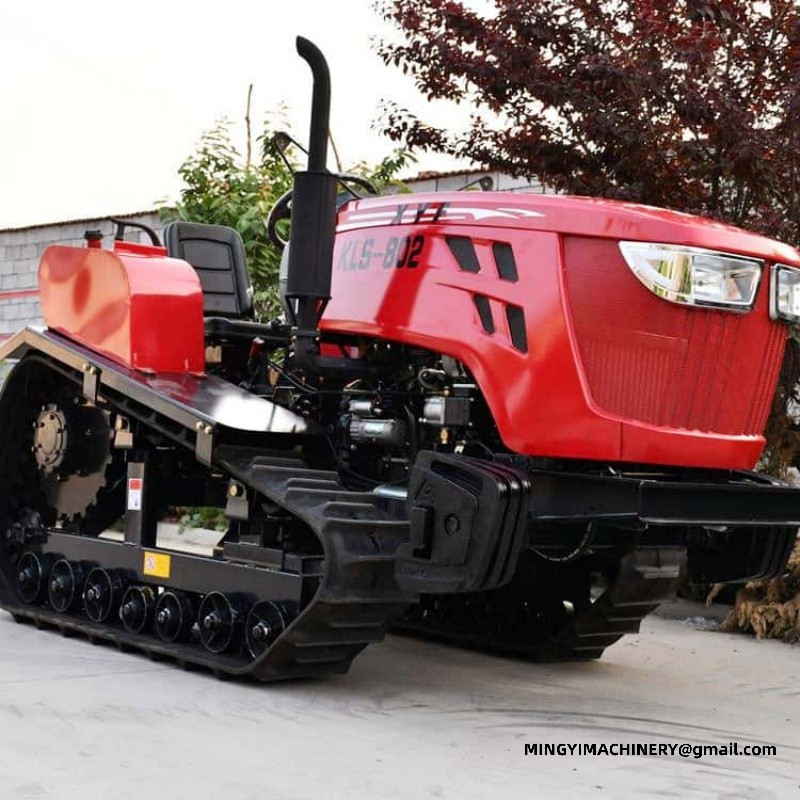
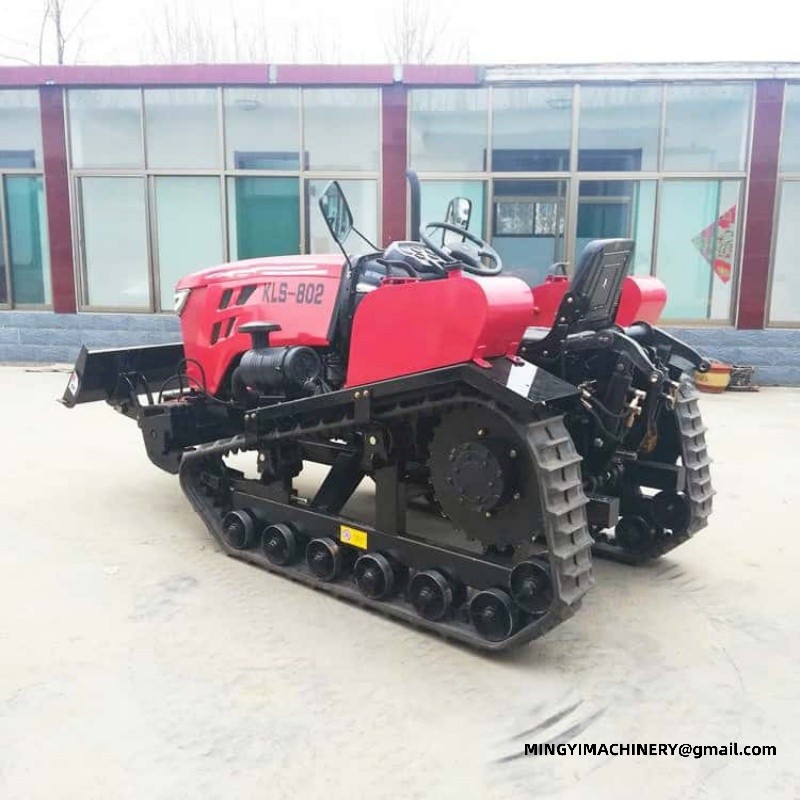
The models below cover the crawler rotary tiller range. Power, working condition, engine series and track width are confirmed together, because the field the machine works in decides the track and the engine before the working width matters.
| Model | Working condition | Engine series | Induction | Track width |
|---|---|---|---|---|
| 70/75 hp wet and dry field crawler rotary tiller | wet and dry field | 490 series | turbocharged | — |
| 60 hp dry field crawler rotary tiller | dry field | 495 series | — | — |
| 50 hp wet and dry field crawler rotary tiller | wet and dry field | 490 series | — | — |
| 120 hp paddy field crawler rotary tiller | paddy field | — | — | 350 mm |
| 50 hp dry field crawler rotary tiller | dry field | 490 series | — | — |
| 80 hp wet and dry field crawler rotary tiller | wet and dry field | 495 series | turbocharged | — |
| 100 hp wet and dry field crawler rotary tiller | wet and dry field | — | — | 350 mm |
| 130 hp paddy field crawler rotary tiller | paddy field | — | — | 350 mm |
| Item | Note |
|---|---|
| 1.8 m rotary tillagefertilisingcombined machine | working width 1.8 m |
| rotary tiller , 2.0 m working width , 150 gearbox | — |
| rotary tiller , 1.5 m working width , 125 gearbox | — |
| engineering bucket | — |
| simple cab | — |
| rotary tiller , 1.3 m working width , 125 gearbox | — |
| rotary tiller , 2.2 m working width , 150 gearbox | — |
| simple canopy | — |
Humidity attacks the parts that are not used. Storage in a damp climate means a machine of this size needs the exposed metal protected and the machine run regularly, because standing still does more damage than working.
A stored machine should be brought back carefully. Before the machine itself returns to work the fluids, the brakes and the controls are checked, because months of standing change more than a weekend does.
The machine should be introduced to the site as well as the operator. Walking the route the machine in that duty will take, noting the soft spots and the turns, prevents the kind of first-day incident that has nothing to do with the machine.
A machine that only one person can use is a single point of failure. Training a second operator on a machine built for the work takes a day and removes the dependency that otherwise governs holidays, illness and busy weeks.
Retrofitting is limited by the base machine. Before anything is added to the tiller the hydraulic flow, the mounting interface and the stability allowance have to be checked, because those limits are what decide what is sensible.
Securing the load is not optional. Lashing the unit in daily use at the points intended for it, checking the tension before the vehicle moves and rechecking after the first kilometres is standard practice rather than extra care.
The first day with a new machine sets the pattern for the next five years. Handover for the equipment on site covers the control layout, the daily check points and the limits the operator needs to know before the first real load is lifted or carried.
Every line above comes from the build sheet for the machine itself, and the final configuration is confirmed against the working conditions and the destination before production.
E-mail:sales@mingycn.com
LINE(ID):mingyicn