Choosing the tiller usually comes down to a handful of decisions made early: size, power, the ground it will work on and the attachments it has to carry. The notes below follow that order, because each one narrows the next.
Customisation should still be limited to what the work needs. Each addition to this class of machine is another item to maintain, so the useful question is not what can be added but what the job list actually requires.
Buyers who specify the unit in daily use on paper before enquiring get specifications that can be compared. Without that list, two suppliers will propose two different machines and the simpler one is usually the smaller one, not the better value.
Carrying and travelling with a load needs its own plan. Speed, gradient and surface all matter more once a machine of this size is loaded, and the safe combination is the conservative one.
Before-storage preparation prevents most return-to-work faults. Draining or treating fuel, protecting exposed rods and relieving pressure where the maker specifies it are the items worth an hour when the equipment on site is parked.
Implement width should follow the power. The machine itself with an implement wider than it can drive will labour, burn more fuel and leave an uneven tilth, and the correct width is the one that holds a steady engine speed. Changing implements is routine work. Quick hitch geometry, PTO guard condition and the hydraulic services on the model in question decide how long a change takes, and that time is what a contractor loses money on.
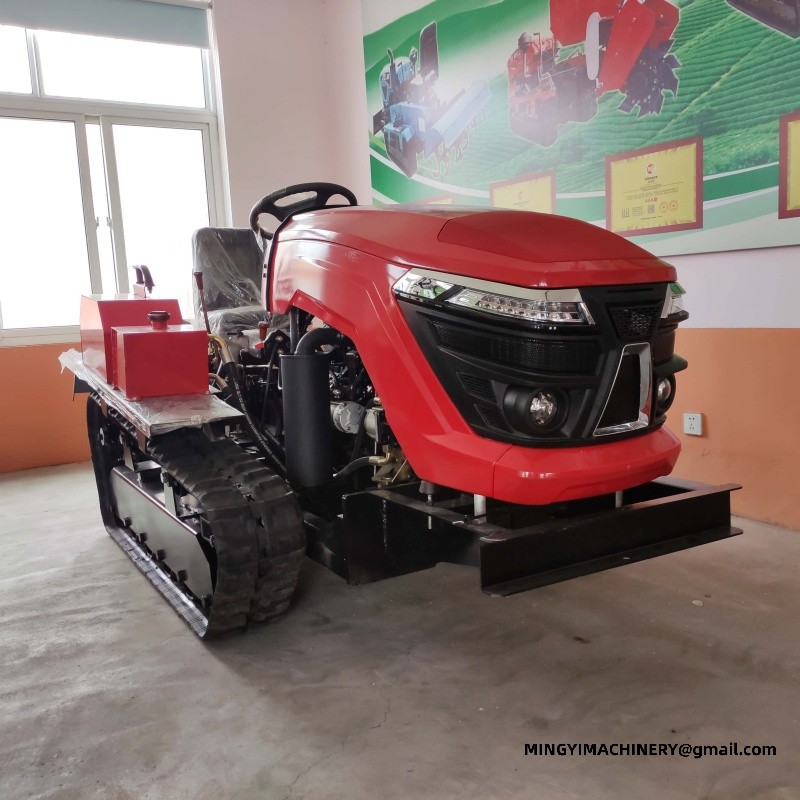
Turning room at the headland matters in short rows. The machine in that duty that turns inside its own length covers more of a small plot per hour than a larger machine that has to reverse out of every row. Row crop work also means working around obstacles. Guards, lighting and a clear view from the seat are what let the unit on the job work close to trunks and posts without damage to either.
Ground decides more of the outcome than power does. Soft, wet or loose surfaces call for a wider footprint and lower ground pressure, while hard standing allows a narrower machine that turns in less space and travels faster between tasks. Traction and flotation are two separate questions. A machine built for the work may have the power for a slope and still not have the grip, so the surface, not the engine rating, is usually what limits the working day.
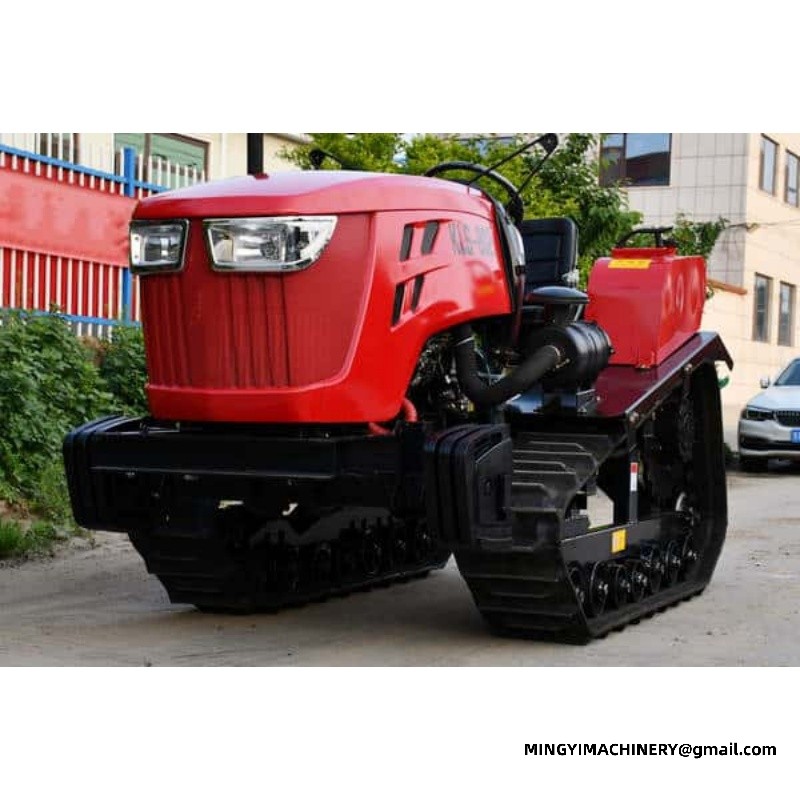
Export orders add steps that domestic buyers never see. Packed dimensions, securing points, documentation and any dismantling required are all settled before the equipment in service leaves the factory, and each one affects the freight booking. Container loading is a planning exercise. Confirming how the tiller is packed and how many units fit a container is what turns a per-unit freight estimate into a delivered figure the buyer can actually plan against. Documentation should be agreed at order stage. The commercial invoice, packing list and any certificate required at destination are part of shipping this class of machine, and missing papers delay clearance longer than the voyage takes.
Duty cycle is the honest measure of a machine. A machine of this size working a few hours a week has different needs from one working two shifts, and the cooling, filtration and service intervals should follow the hours rather than the calendar.
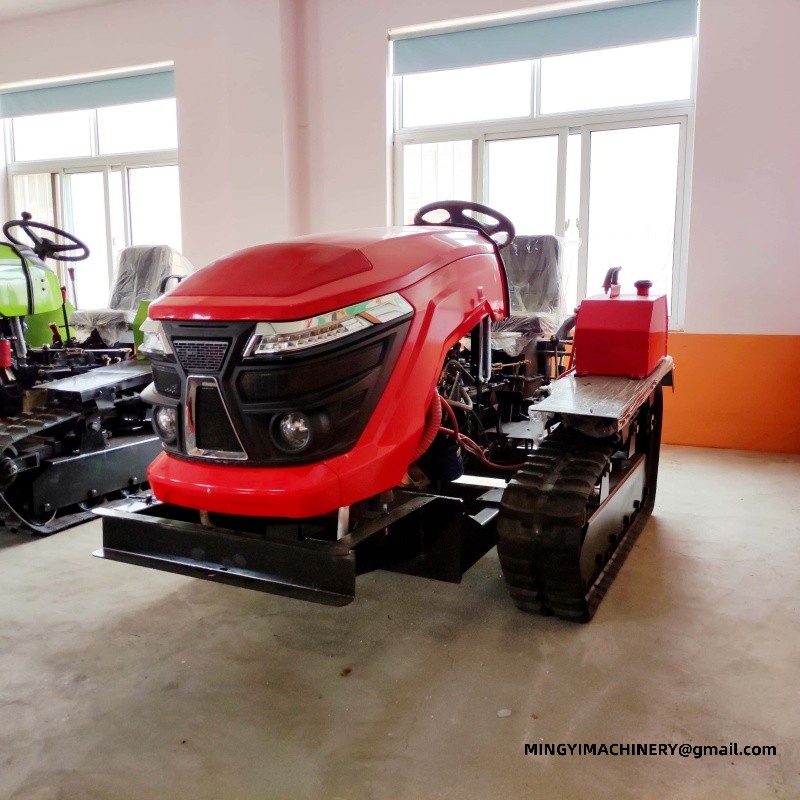
Moving the machine is part of owning it. Overall length, width and height decide which trailer or container the machine itself fits, and a machine that needs a permit or an abnormal load escort is a machine with a delivery delay built in. Owners who work across several sites should check the transport dimensions before ordering. The model in question that fits a standard trailer can be moved by any operator with a suitable vehicle, while an over-width machine narrows that choice and complicates every move.
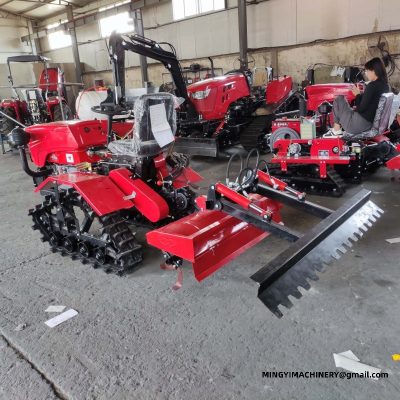
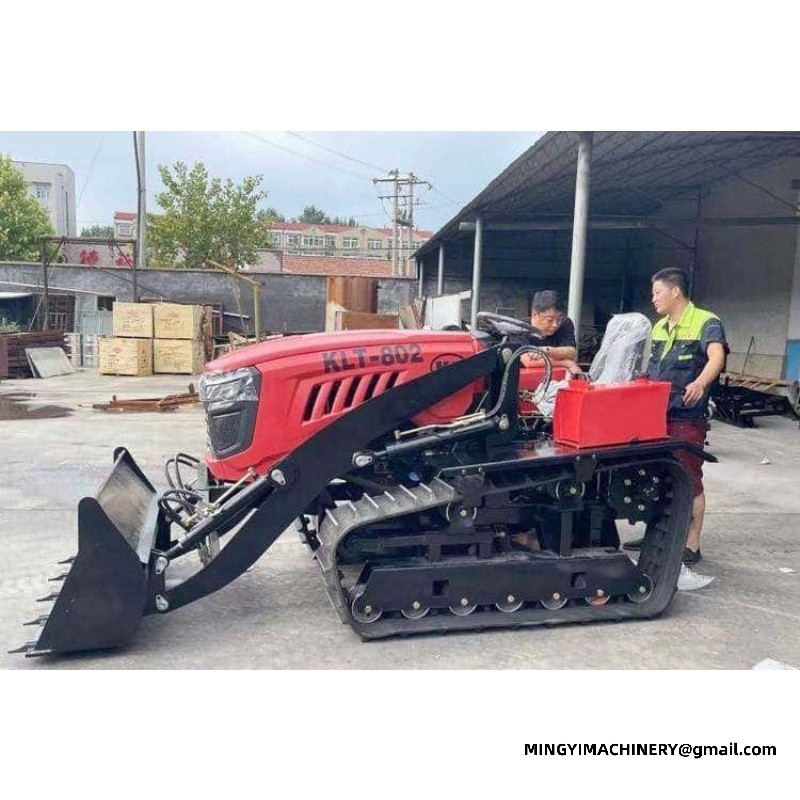
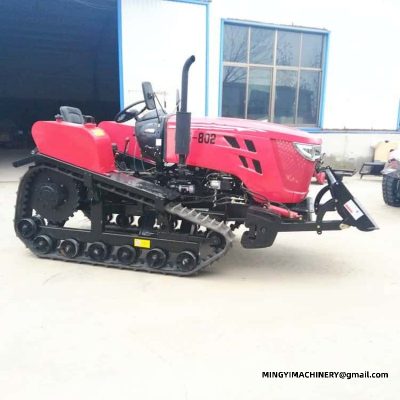
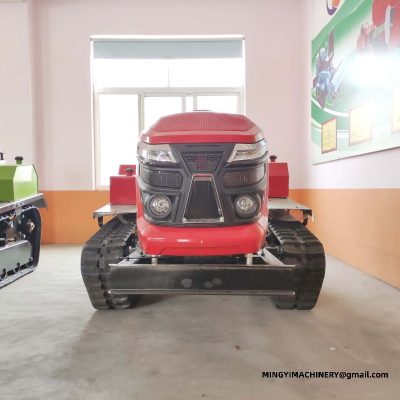
The track is what makes the machine usable on soft ground. A wider track spreads the weight of the unit on the job over more area and lowers ground pressure, which is the difference between working after rain and waiting for the field to dry.
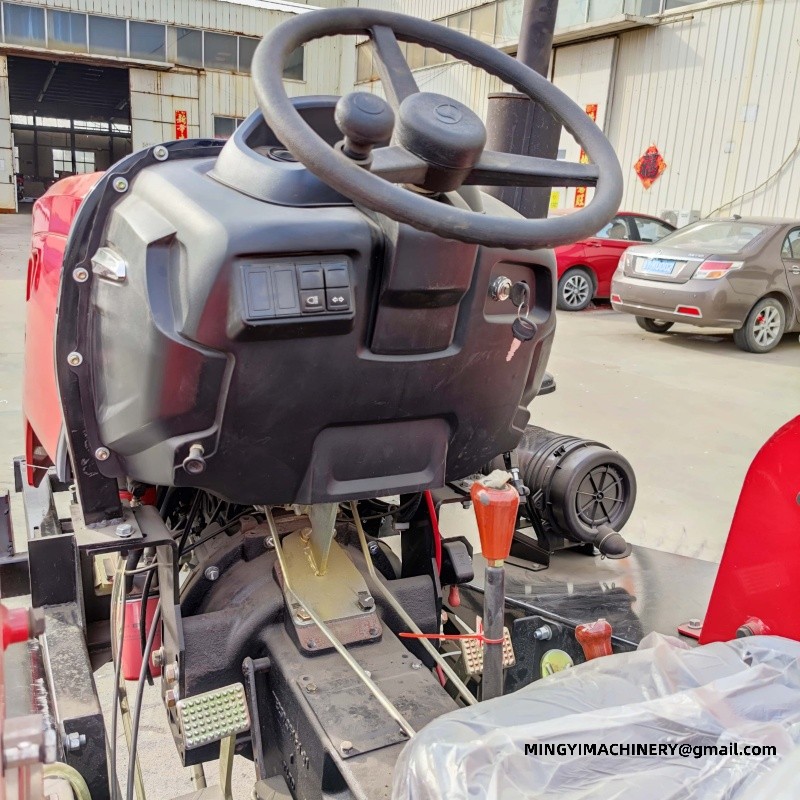
Standardising where possible simplifies everything downstream. When several units of the equipment in service share a service schedule and a parts list, the fleet becomes easier to plan and easier to sell on at replacement time.
A short familiarisation session prevents the early faults. Most first-month problems on this class of machine come from unfamiliarity with controls, limits or checks rather than from the machine itself.
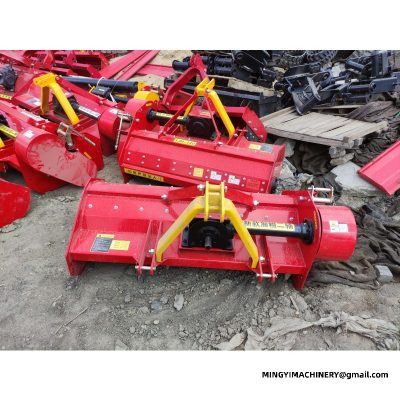
Blades are the consumable that decides the result. A machine of this size with blunt blades tears the soil rather than cutting it, and the extra load is carried by the gearbox and the engine for no benefit. Blade wear is uneven across the width. Rotating and renewing the set on the equipment on site before the worst blade fails keeps the tilth even and avoids the vibration that damages the rotor bearings. Keeping a spare set is simple insurance. During a short season the difference between working and waiting on the machine itself is often a set of blades and the half hour needed to fit them.
Replacement timing is a planning decision. Knowing the intended working life of the model in question lets an owner sell while the machine still has value rather than after a major repair becomes due.
Support after delivery is a parts question. Filters, belts, hoses and the wearing items specific to the unit on the job are what a buyer should plan to hold before the first service interval rather than order after a failure. Remote diagnosis shortens most faults. A walk-around on video with the panels open often identifies the cause on a machine built for the work without waiting for a visit, and avoids shipping a part that turns out not to be needed.
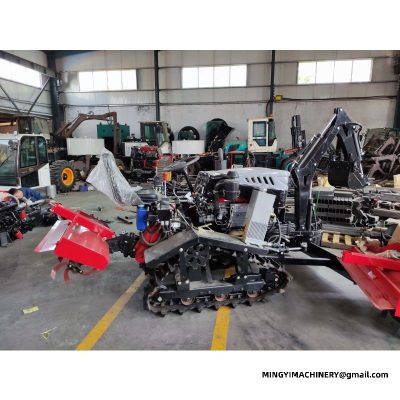
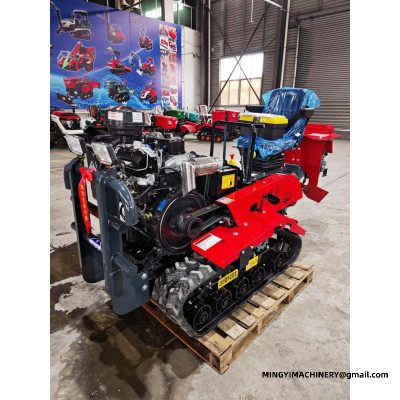
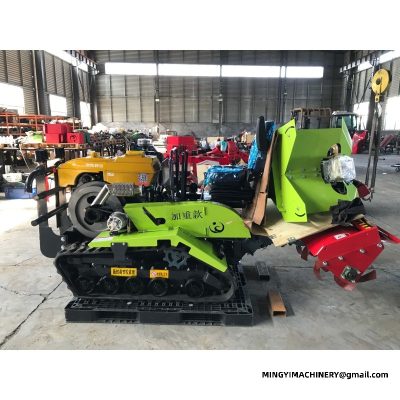
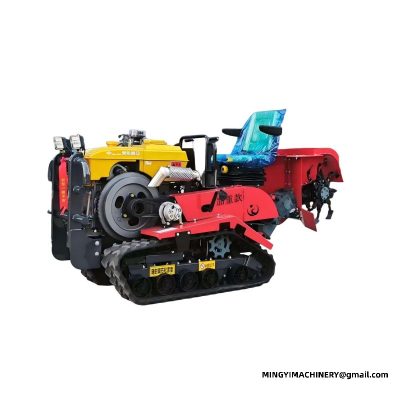
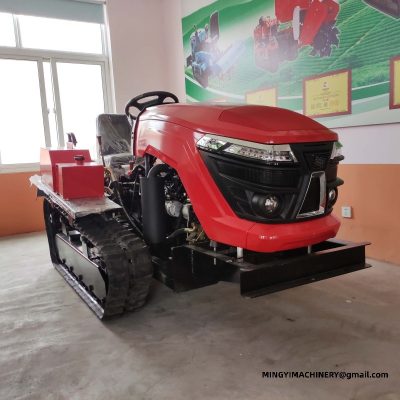
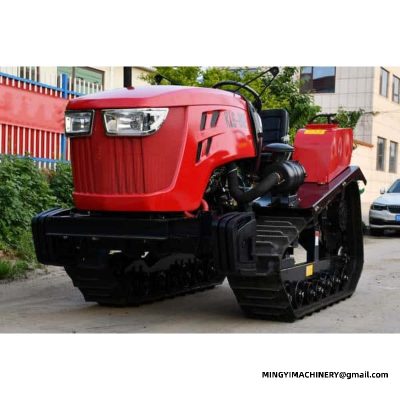
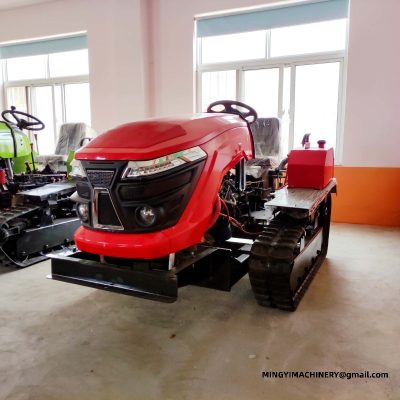
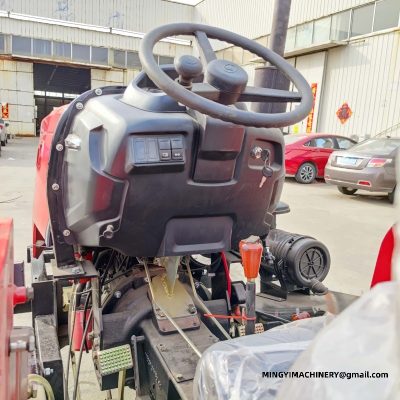
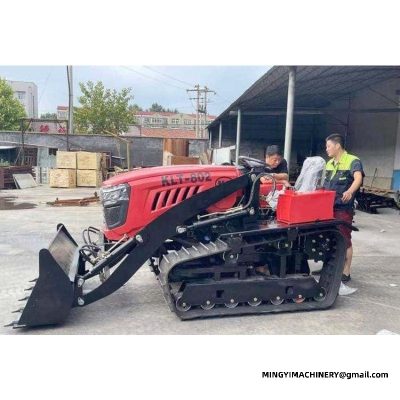
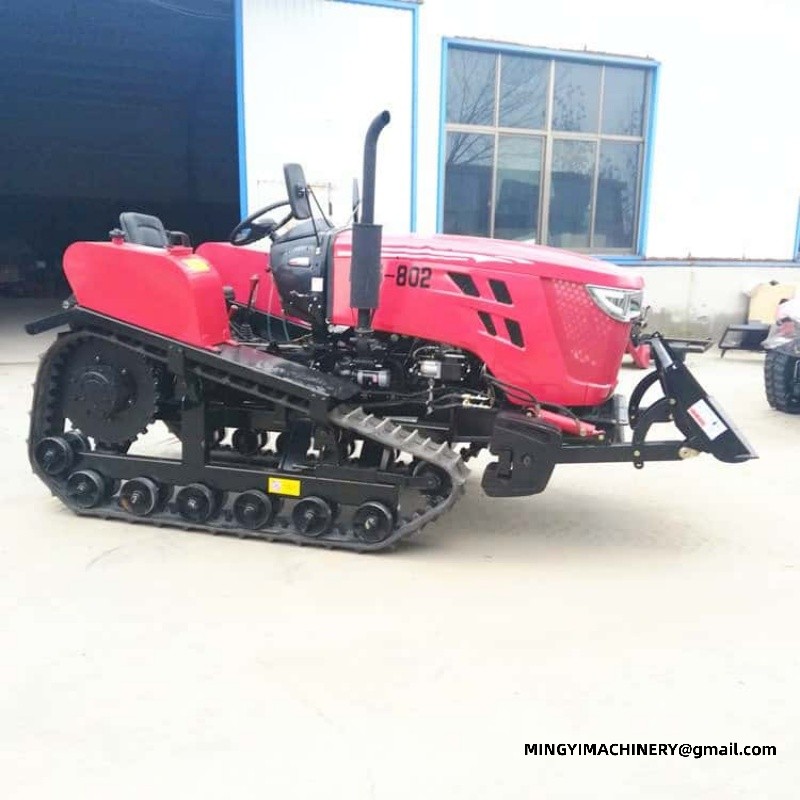
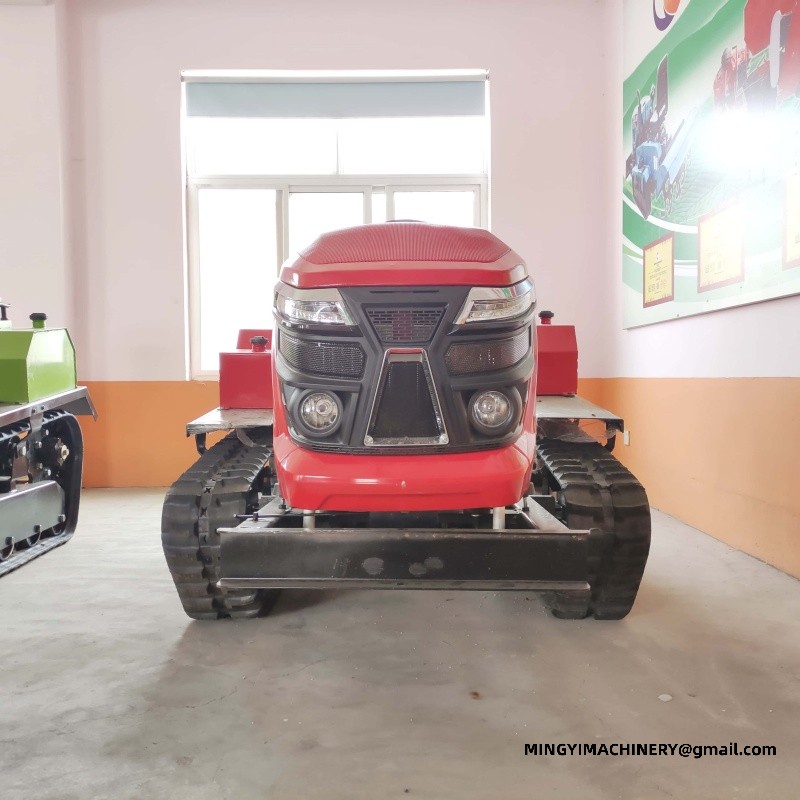
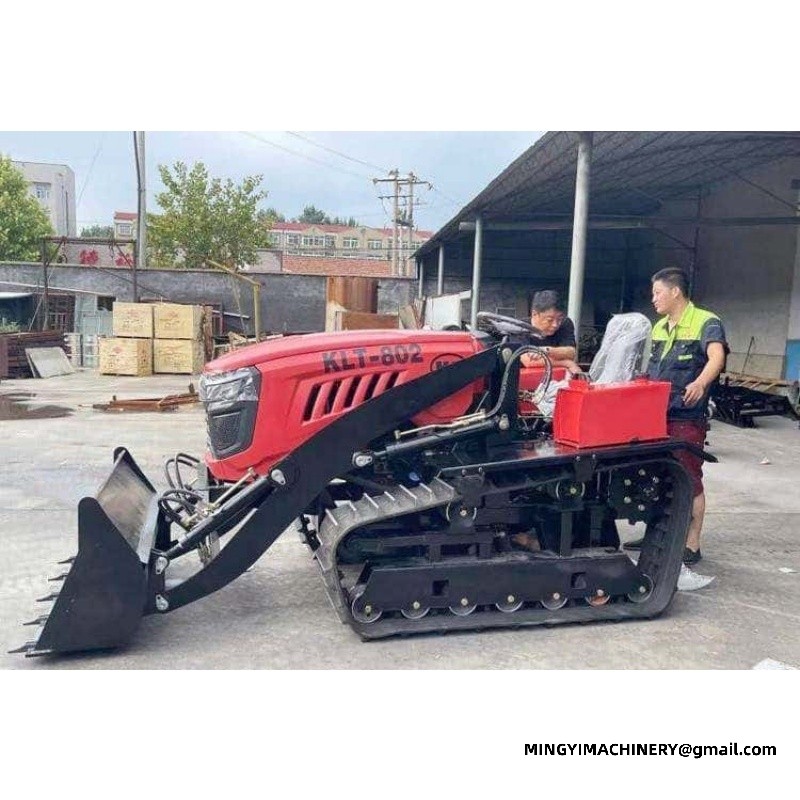
The models below cover the crawler rotary tiller range. Power, working condition, engine series and track width are confirmed together, because the field the machine works in decides the track and the engine before the working width matters.
| Model | Working condition | Engine series | Induction | Track width |
|---|---|---|---|---|
| 70/75 hp wet and dry field crawler rotary tiller | wet and dry field | 490 series | turbocharged | — |
| 70/75 hp dry field crawler rotary tiller | dry field | 490 series | turbocharged | — |
| 130 hp paddy field crawler rotary tiller | paddy field | — | — | 350 mm |
| 120 hp paddy field crawler rotary tiller | paddy field | — | — | 350 mm |
| 80 hp wet and dry field crawler rotary tiller | wet and dry field | 495 series | turbocharged | — |
| 60 hp wet and dry field crawler rotary tiller | wet and dry field | 495 series | — | — |
| 50 hp wet and dry field crawler rotary tiller | wet and dry field | 490 series | — | — |
| 80 hp wet and dry field crawler rotary tiller | wet and dry field | 495 series | turbocharged | — |
| Item | Note |
|---|---|
| simple canopy | — |
| rotary tiller , 2.0 m working width , 150 gearbox | — |
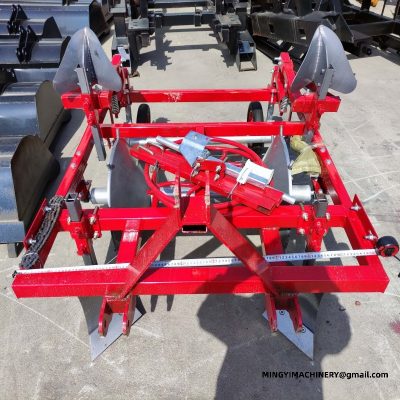
| vine burying machine | — |
| dozer blade | — |
| rotary tiller , 1.3 m working width , 125 gearbox | — |
| 1.5 m straw returning | working width 1.5 m |
| offset trencher | — |
| rotary tiller , 1.8 m working width , 125 gearbox | — |
Humidity attacks the parts that are not used. Storage in a damp climate means the unit in daily use needs the exposed metal protected and the machine run regularly, because standing still does more damage than working.
Travel time is not working time, and it should be planned as its own item. The hours spent moving the equipment on site between jobs are hours not worked, and a trailer that matches the machine reduces them every single trip.
Later changes are easier when they were anticipated. Asking for the extra hydraulic circuit or the heavier mounting plate on the model in question at build time adds little and leaves the option open.
The machine should be introduced to the site as well as the operator. Walking the route the unit on the job will take, noting the soft spots and the turns, prevents the kind of first-day incident that has nothing to do with the machine.
Different operators suit different work. The person who is quickest with the equipment in service on open ground is not always the one who is safest in a confined space, and having both available is a genuine advantage.
The last hour before packing is the best time to find a fault. Running this class of machine through its full working cycle, checking for leaks under load and confirming that the controls match the specification avoids a conversation across time zones later.
Downtime is simplest when it is planned. Booking the service for a machine of this size in the quiet part of the season takes nothing from the schedule, while the same work in the busy weeks gives up a day of output every time.
Every line above comes from the build sheet for the equipment on site, and the final configuration is confirmed against the working conditions and the destination before production.
E-mail:sales@mingycn.com
LINE(ID):mingyicn