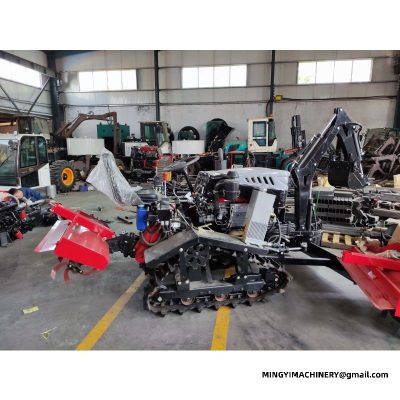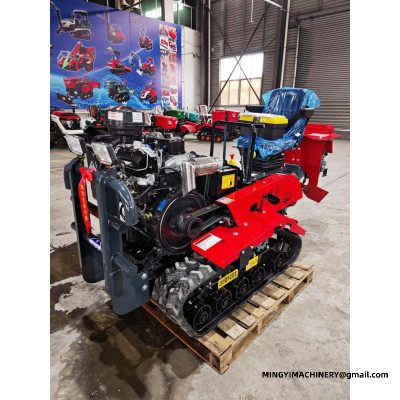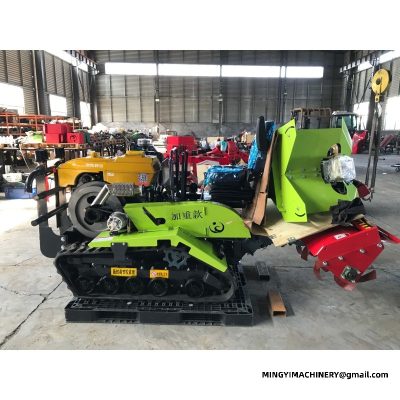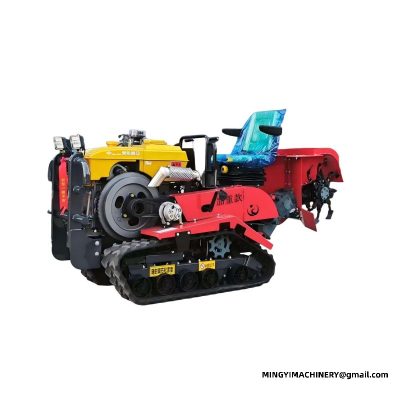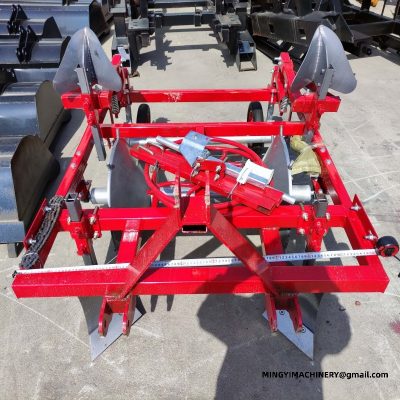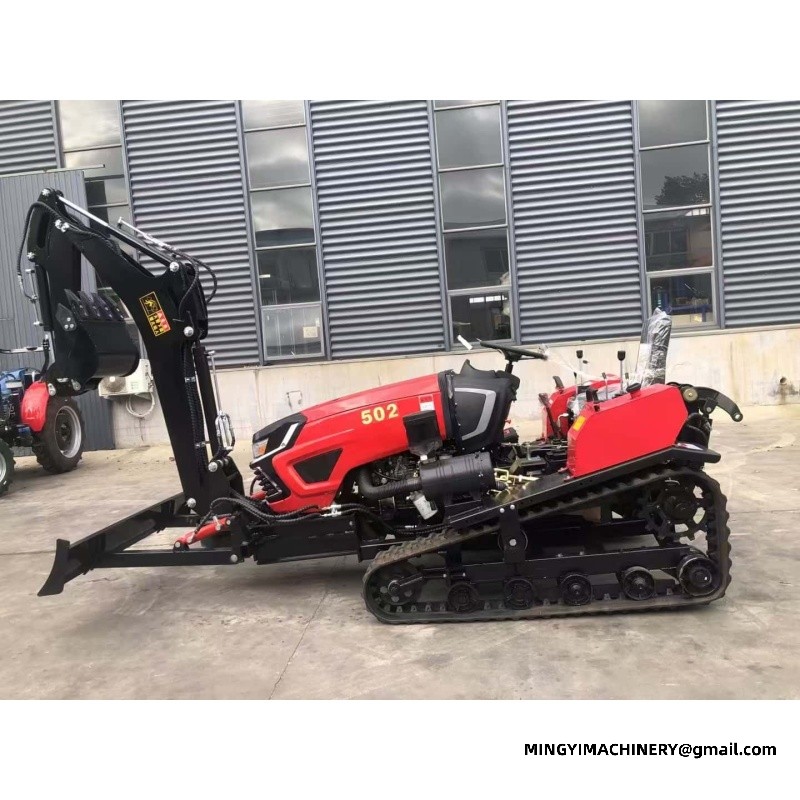
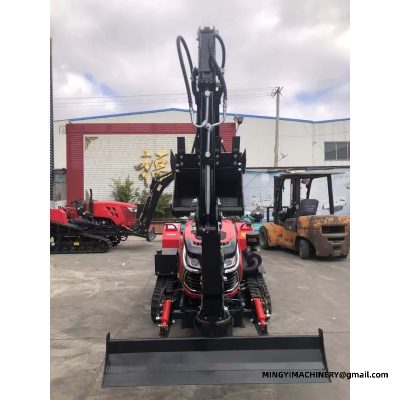
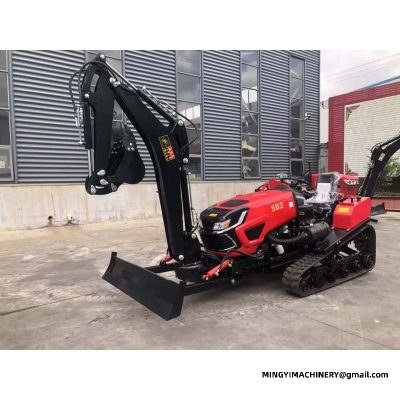
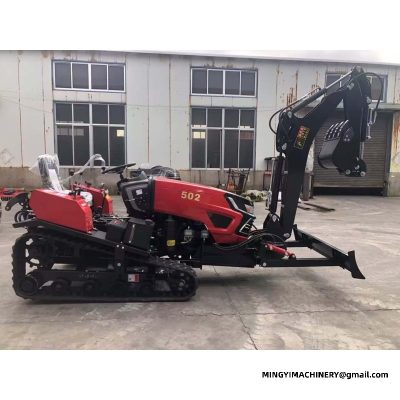
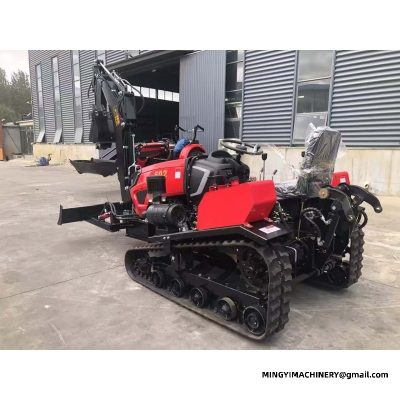
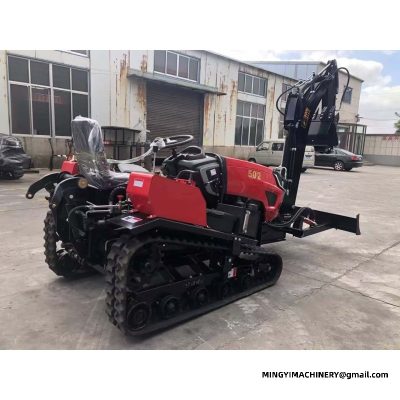
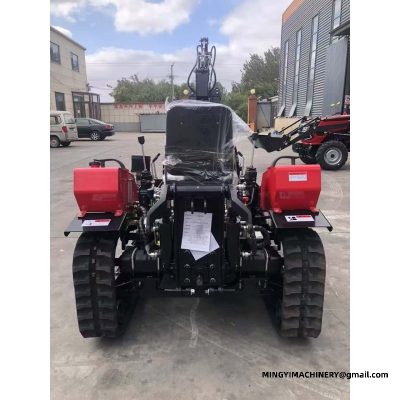
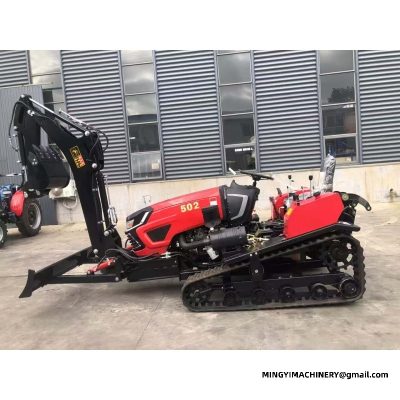
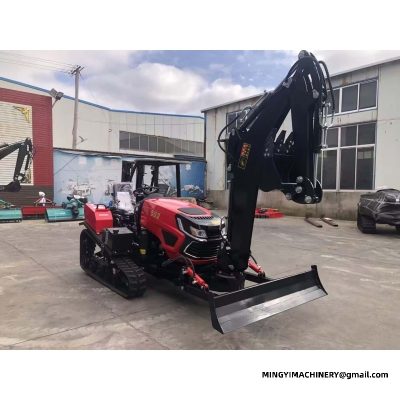
The tiller earns its place by doing one job repeatedly and without fuss. The sections below are written from that angle: what the machine is asked to do each day, what wears, what an operator needs to know and what to confirm before dispatch.
Tillage quality starts with the soil, not the machine. Dry, friable ground breaks up in one pass, while the same the unit in daily use on heavy wet clay needs a second pass and a lower gear, so the ground survey belongs before the working width is chosen. Soil moisture decides the outcome more than power does. Working this class of machine when the ground is too wet smears the furrow and compacts below it, and the damage shows up in the following crop rather than in the same week. The working pass should follow the field. Running a machine of this size along the contour on a slope and across the previous pass on the flat gives a more even tilth than following the same line every season.
Duty cycle is the honest measure of a machine. The equipment on site working a few hours a week has different needs from one working two shifts, and the cooling, filtration and service intervals should follow the hours rather than the calendar. Seasonal work changes the maintenance calendar. Machines that work hard for two months and stand for ten need preparation before storage and a check before returning to work, and both are simpler than the repairs they prevent.
Machine productivity depends on what happens around it. Deliveries, other trades and the sequence of work decide how much of the shift the machine itself spends actually working rather than waiting. Sequencing avoids rework. Doing the work in the order that suits the ground and the following trades keeps the model in question productive and prevents finishing a task that then has to be opened up again.
Before-storage preparation prevents most return-to-work faults. Draining or treating fuel, protecting exposed rods and relieving pressure where the maker specifies it are the items worth an hour when the machine in that duty is parked. A periodic start is better than none. Running the unit on the job to operating temperature during a long layoff keeps seals and the charging system in better condition than leaving it untouched until the next job.
Wear rate follows conditions far more than hours. A machine built for the work working on abrasive ground or in mud will consume undercarriage or tyre life much faster than the same machine on clean ground.
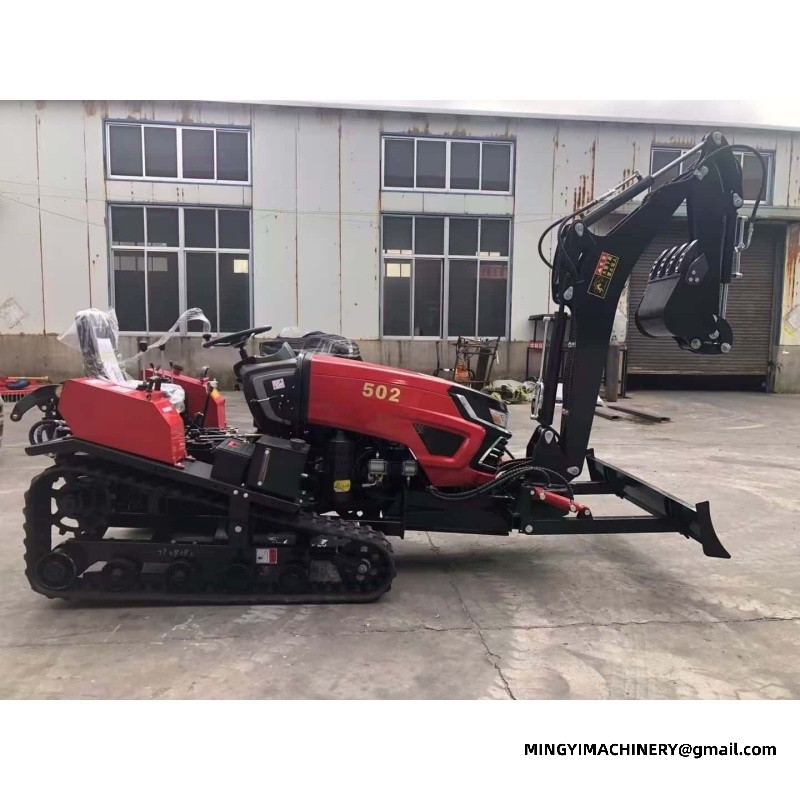
The working surface should be surveyed before the equipment in service is specified. A machine that is stable on compacted gravel can be unusable on the same site after rain, and the difference shows up as lost days rather than as a fault.
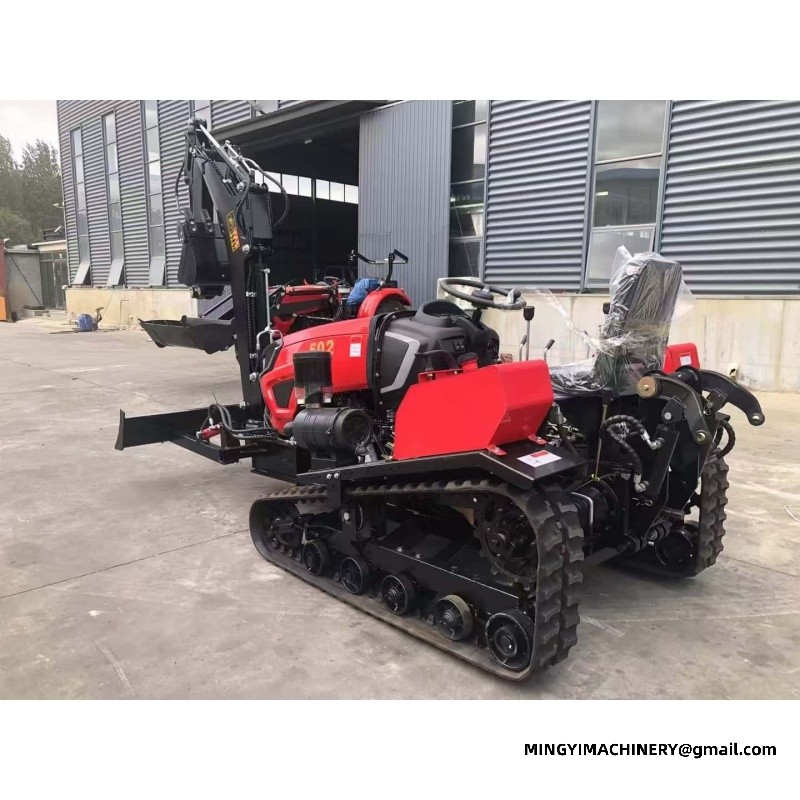
Turning room at the headland matters in short rows. The tiller that turns inside its own length covers more of a small plot per hour than a larger machine that has to reverse out of every row.
Machine output varies more between operators than between brands. Smooth, planned movements put less load on the structure and use less fuel, and that difference is visible on the hour meter and in the service bills for this class of machine. Familiarisation should cover the limits as well as the controls. Knowing where the unit in daily use loses stability, how it behaves at full reach, and what the warning lights mean prevents the incidents that are put down to bad luck.
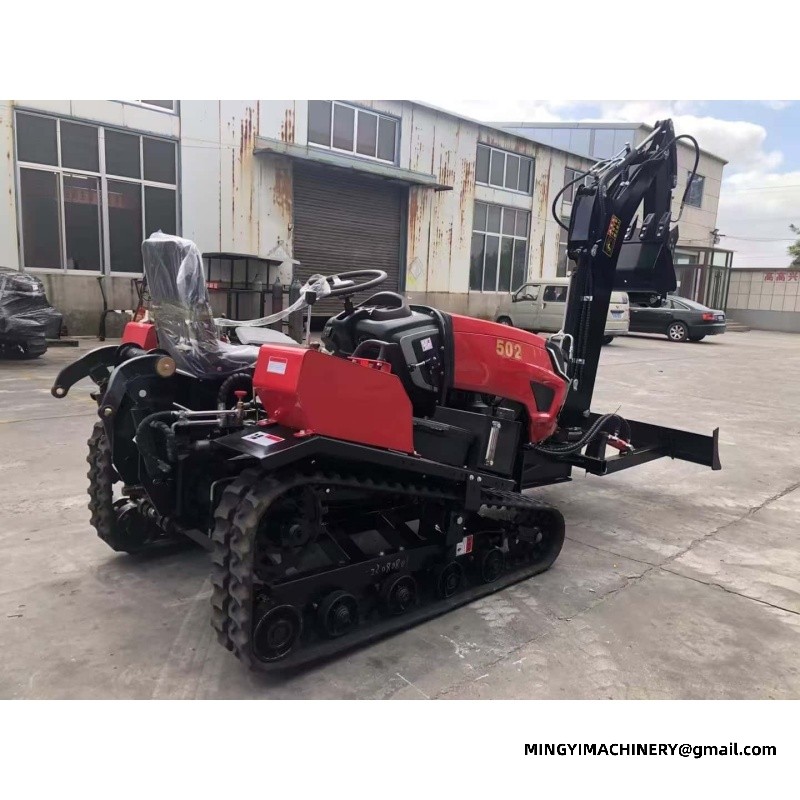
The specification should be written from the job backwards. Listing the loads, the ground and the hours first, then matching the equipment on site to that list, avoids buying capacity the work never uses and avoids discovering a shortfall in the first week. Buyers who specify the machine itself on paper before enquiring get specifications that can be compared. Without that list, two suppliers will propose two different machines and the simpler one is usually the smaller one, not the better value.
Handover should include the documents as well as the keys. Parts list, service schedule and the operator notes for the machine in that duty are what the workshop needs in month six, and they are much harder to obtain later. Keeping the manuals where they can be reached matters. The unit on the job whose documents stay with the machine gets serviced on schedule; one whose paperwork was filed elsewhere tends to run on memory instead.
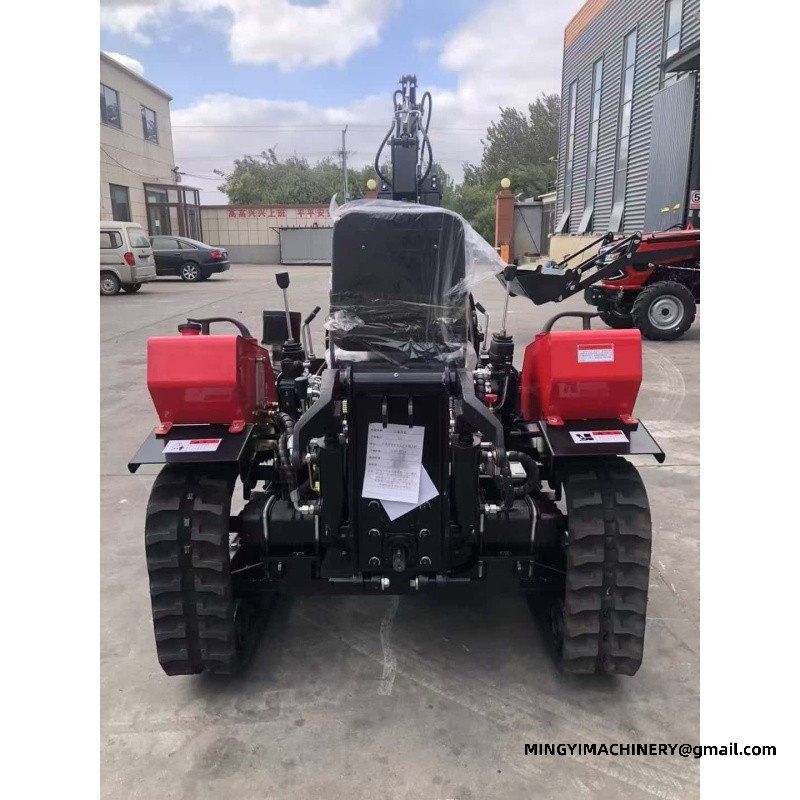
Build options are where a standard machine becomes the right machine. Colour, guarding, lighting, seating and hydraulic provisions can usually be set at build time on the equipment in service, and are far simpler then than as a retrofit.
Blades are the consumable that decides the result. This class of machine with blunt blades tears the soil rather than cutting it, and the extra load is carried by the gearbox and the engine for no benefit.
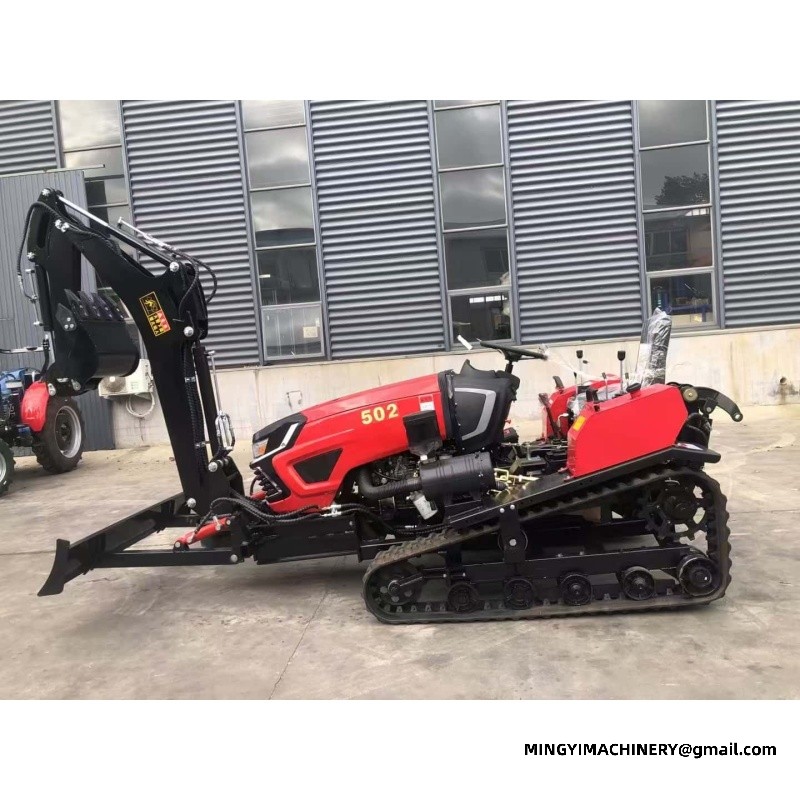
Stability follows the load and its position. Knowing the rated capacity of a machine of this size at the working radius, rather than at its best case, is what keeps handling predictable and the machine upright.
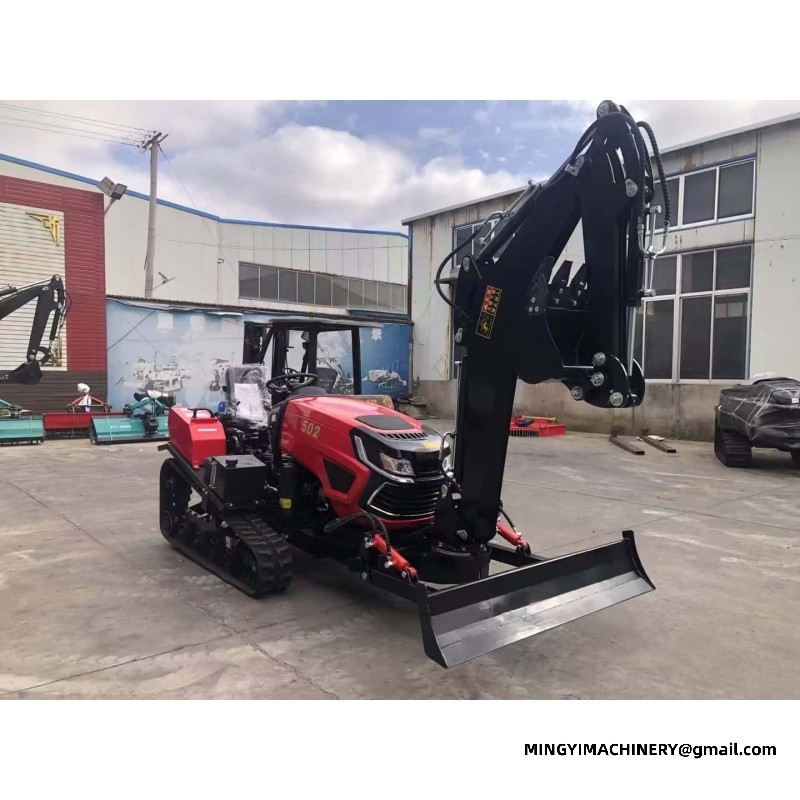
The implement is driven from the rear PTO, so the gearbox rating matters. Matching the gearbox of the model in question to the widest implement the farm will run avoids a machine that is fine on a tiller and short on a trencher. Implement width should follow the power. The machine itself with an implement wider than it can drive will labour, burn more fuel and leave an uneven tilth, and the correct width is the one that holds a steady engine speed.
Consumption is best measured over a full week rather than judged per hour. Idle time, repositioning and waiting for other trades are often the largest share of the fuel the unit on the job burns on a site.
Standing water hides the ground underneath. Working the equipment in service in a paddy means accepting slower progress and planning the turns, because the places where the machine sinks are the places where the soil has already been disturbed. Wet and dry field versions exist for a reason. The tiller built only for dry land will struggle in a paddy, while one built for both gives up a little on each and is usually the better choice for a mixed farm.
Service intervals exist because wear is predictable. Following the maker schedule on the unit in daily use takes far less time than repairing the damage that follows a missed oil change or a filter left in place past its life. A simple log helps. Recording hours, fuel and any adjustment made to a machine of this size gives the workshop a history, and that history is what turns an intermittent fault into a one-visit repair instead of three.
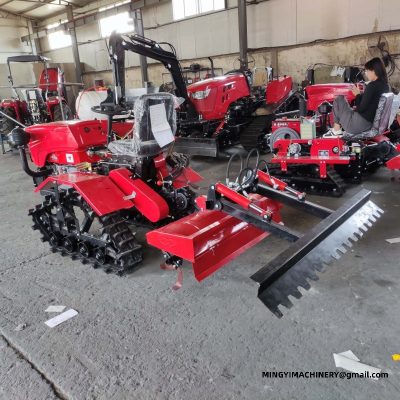
The models below cover the crawler rotary tiller range. Power, working condition, engine series and track width are confirmed together, because the field the machine works in decides the track and the engine before the working width matters.
| Model | Working condition | Track width | Engine series | Induction |
|---|---|---|---|---|
| 100 hp wet and dry field crawler rotary tiller | wet and dry field | 350 mm | — | — |
| 60 hp wet and dry field crawler rotary tiller | wet and dry field | — | 495 series | — |
| 120 hp paddy field crawler rotary tiller | paddy field | 350 mm | — | — |
| 130 hp paddy field crawler rotary tiller | paddy field | 350 mm | — | — |
| 80 hp wet and dry field crawler rotary tiller | wet and dry field | — | 495 series | turbocharged |
| 50 hp dry field crawler rotary tiller | dry field | — | 490 series | — |
| 80 hp wet and dry field crawler rotary tiller | wet and dry field | — | 495 series | turbocharged |
| 60 hp dry field crawler rotary tiller | dry field | — | 495 series | — |
| Item | Note |
|---|---|
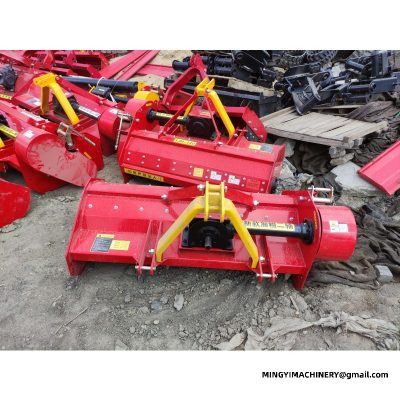
| rotary tiller , 1.7 m working width , 125 gearbox | — |
| 1.8 m rotary tillagefertilisingcombined machine | working width 1.8 m |
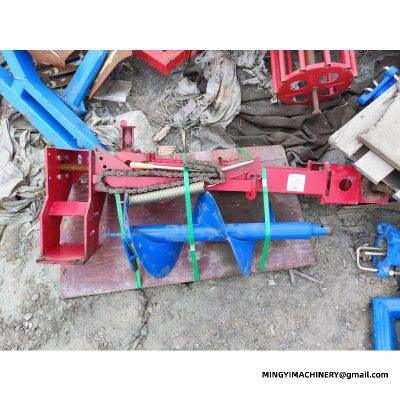
| tree hole digger | — |
| rotary tiller , 1.8 m working width , 125 gearbox | — |
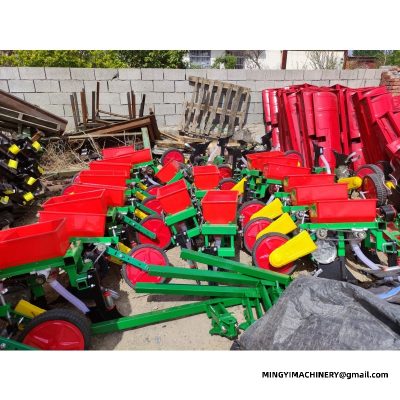
| sprayer | — |
| rotary tiller , 2.2 m working width , 180 gearbox | — |
| rotary tiller , 2.0 m working width , 150 gearbox | — |
| land leveller2.2 m -4.4 m | working width 2.2 m |
The battery and the fuel are the first things to suffer in storage. Preparing the machine in that duty properly at the start of the idle period avoids the flat battery and the contaminated tank that greet an unprepared machine.
Contamination is easier to prevent than to cure. Keeping the filler caps sealed, the funnels clean and the containers closed around a machine built for the work is unglamorous work that shows up as reliability later.
The machine is only half of what arrives. The parts book, the service schedule and the declarations that come with the tiller are what let the owner register, insure and maintain it without a second round of emails.
The calendar decides more than the specification does. Planning when the unit in daily use will be working, when it will be serviced and when it can be spared keeps the maintenance out of the weeks that matter.
Winter is hard on rubber and on seals as much as on the engine. Parking the equipment on site under cover, keeping the tracks or tyres off standing water and checking the hoses for cracking are all part of the season.
Holding spares is about downtime rather than the shelf itself. The question for the model in question is not how large the part is but how long the machine sits while it is found, and a small shelf answers that better than a fast courier.
How a machine travels decides how it starts on arrival. Securing the unit on the job against movement, protecting the exposed cylinders and keeping the battery and fluids in the right state for the voyage all belong to the packing list.
Different operators suit different work. The person who is quickest with the equipment in service on open ground is not always the one who is safest in a confined space, and having both available is a genuine advantage.
Every line above comes from the build sheet for the tiller, and the final configuration is confirmed against the working conditions and the destination before production.
E-mail:sales@mingycn.com
LINE(ID):mingyicn