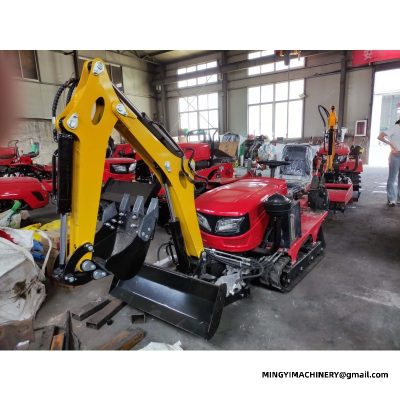
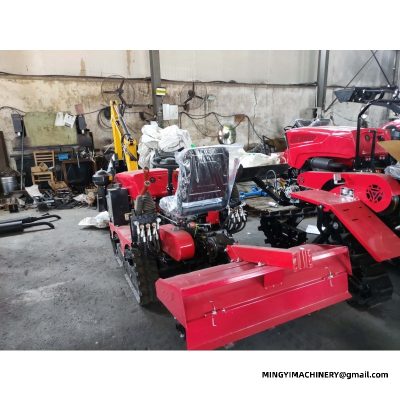
The tiller is usually bought to replace something, whether a method, an older machine or a hired unit. The notes below are written for that comparison: what changes on day one, what stays the same and what to check before the switch is made.
Turning room at the headland matters in short rows. This class of machine that turns inside its own length covers more of a small plot per hour than a larger machine that has to reverse out of every row. Row crop work also means working around obstacles. Guards, lighting and a clear view from the seat are what let the unit in daily use work close to trunks and posts without damage to either.
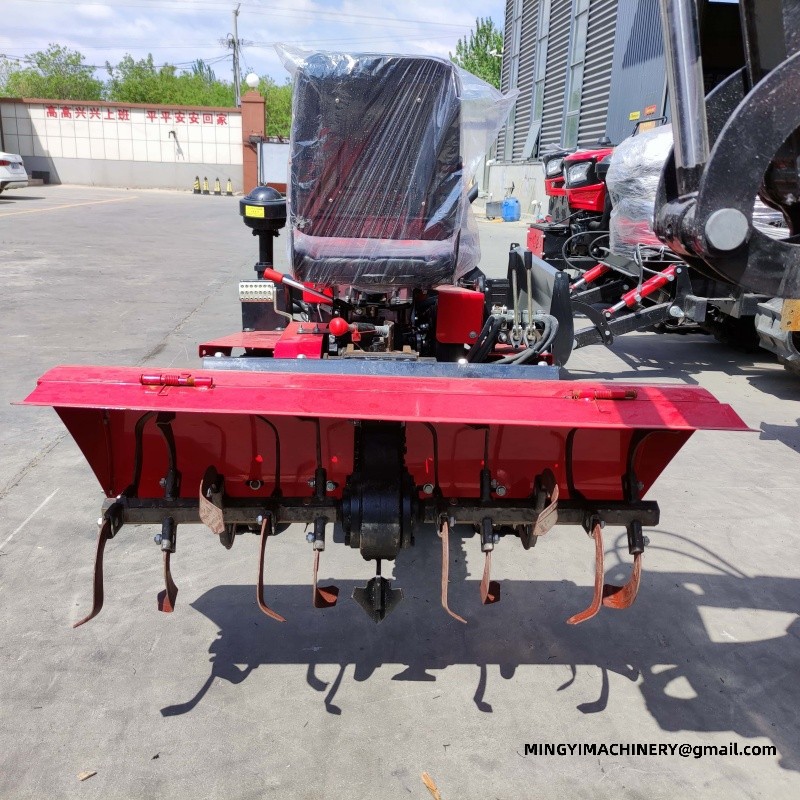
Warranty terms are clearer when they are read before purchase. Knowing what is covered, what counts as a wearing item and what documentation is required makes a claim on a machine of this size straightforward rather than contested.
Blades are the consumable that decides the result. The equipment on site with blunt blades tears the soil rather than cutting it, and the extra load is carried by the gearbox and the engine for no benefit. Blade wear is uneven across the width. Rotating and renewing the set on the machine itself before the worst blade fails keeps the tilth even and avoids the vibration that damages the rotor bearings. Keeping a spare set is simple insurance. During a short season the difference between working and waiting on the model in question is often a set of blades and the half hour needed to fit them.
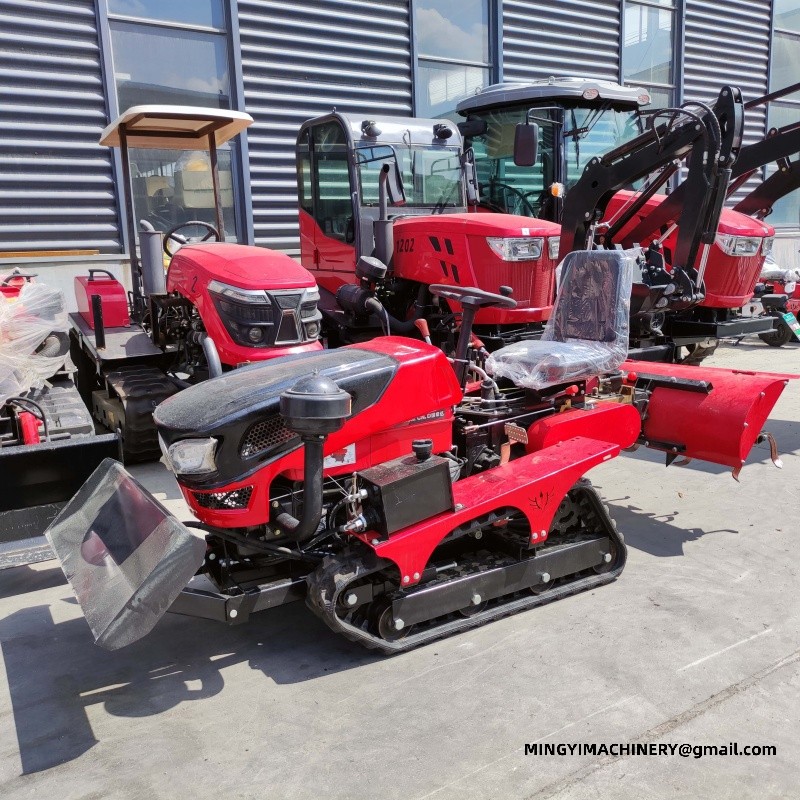
The order should state the configuration in writing. Engine, attachments, colour, documents and any market requirement are clearer on the build sheet for the machine in that duty than in a conversation after delivery.
Buyers who specify the unit on the job on paper before enquiring get specifications that can be compared. Without that list, two suppliers will propose two different machines and the simpler one is usually the smaller one, not the better value.
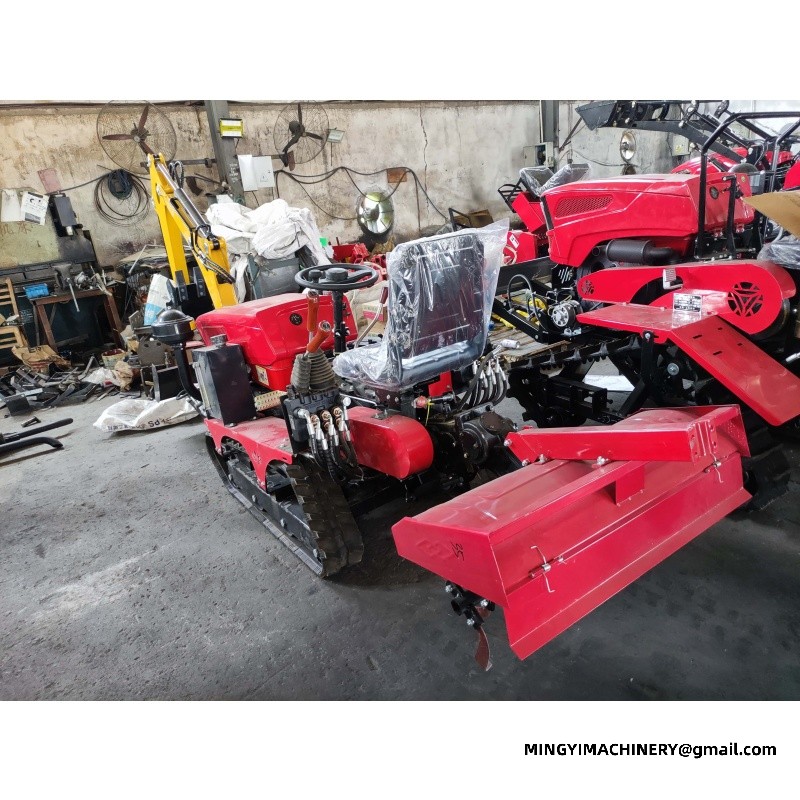
Fuel is usually the largest controllable running demand. Operating style, correct tyre or track condition and a clean air supply all move consumption on a machine built for the work by more than most buyers expect. Planning the work to reduce empty movement is free. Fewer repositioning cycles on the equipment in service means less fuel, less wear on the undercarriage or tyres and more of the shift spent on productive work.
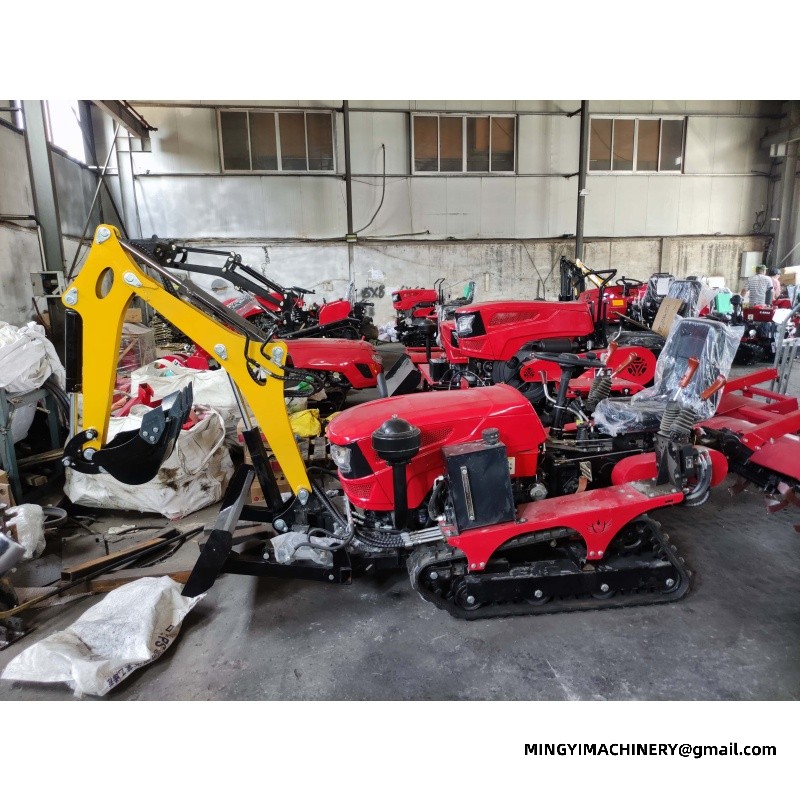
Most incidents around machinery come from the space rather than the machine. Exclusion zones, a clear signal person and a check on what is behind the tiller before it moves cover the large majority of the risk on a working site.
Certain parts are designed to be consumed. Knowing which items on this class of machine are wearing parts, and roughly how long they last in the duty the machine sees, turns replacement into a plan rather than a breakdown. Wear rate follows conditions far more than hours. The unit in daily use working on abrasive ground or in mud will consume undercarriage or tyre life much faster than the same machine on clean ground. Replacing wear items early is usually simpler. Worn components on a machine of this size load the parts they run against, so a worn part left too long often becomes a major repair.
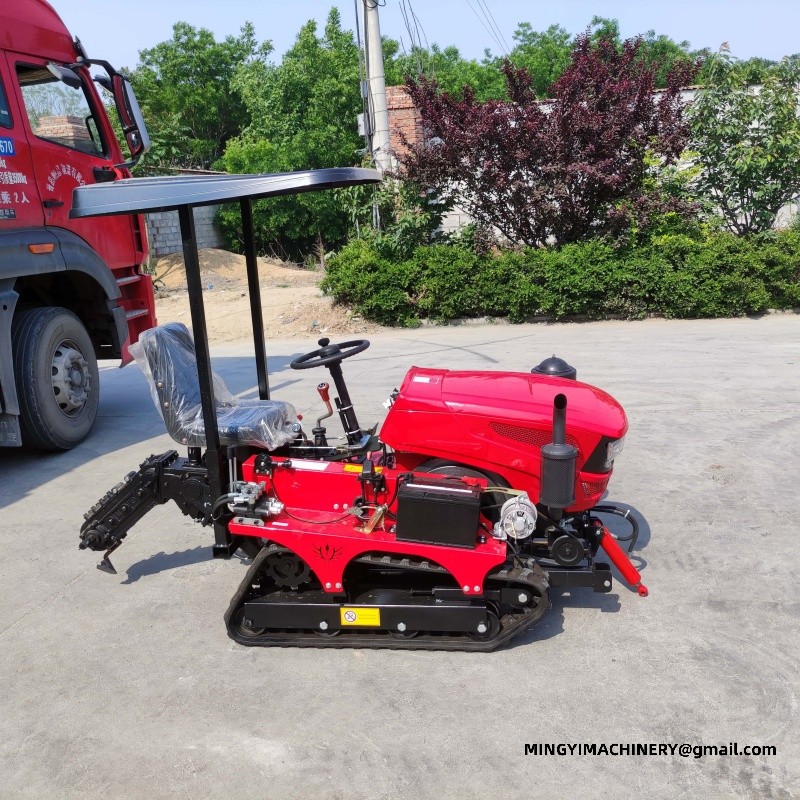
Export orders add steps that domestic buyers never see. Packed dimensions, securing points, documentation and any dismantling required are all settled before the machine itself leaves the factory, and each one affects the freight booking. Container loading is a planning exercise. Confirming how the model in question is packed and how many units fit a container is what turns a per-unit freight estimate into a delivered figure the buyer can actually plan against. Documentation should be agreed at order stage. The commercial invoice, packing list and any certificate required at destination are part of shipping the machine in that duty, and missing papers delay clearance longer than the voyage takes.
Cleaning is maintenance, not appearance. Washing the cooling surfaces and clearing packed material from a machine built for the work keeps temperatures where they should be and makes the next inspection quicker and more useful.
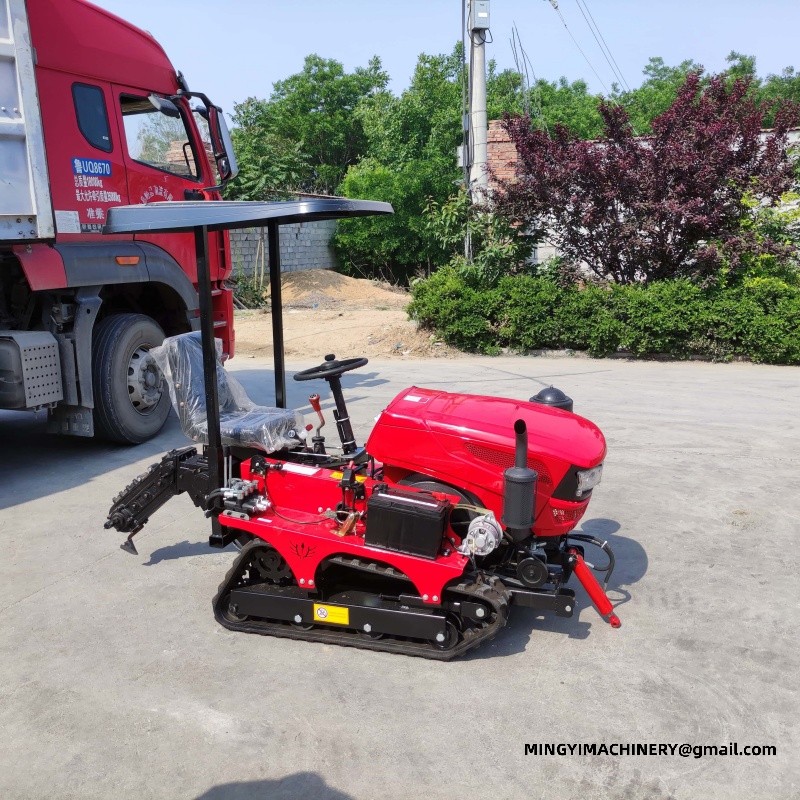
The decision is economic as well as technical. Comparing the work of reconfiguring the tiller against a different machine is a short calculation that usually gives a clear answer.
Access and storage are worth settling early. Where the unit in daily use will be parked, refuelled and serviced on site affects the working day more than most specification details, and it takes nothing to plan.
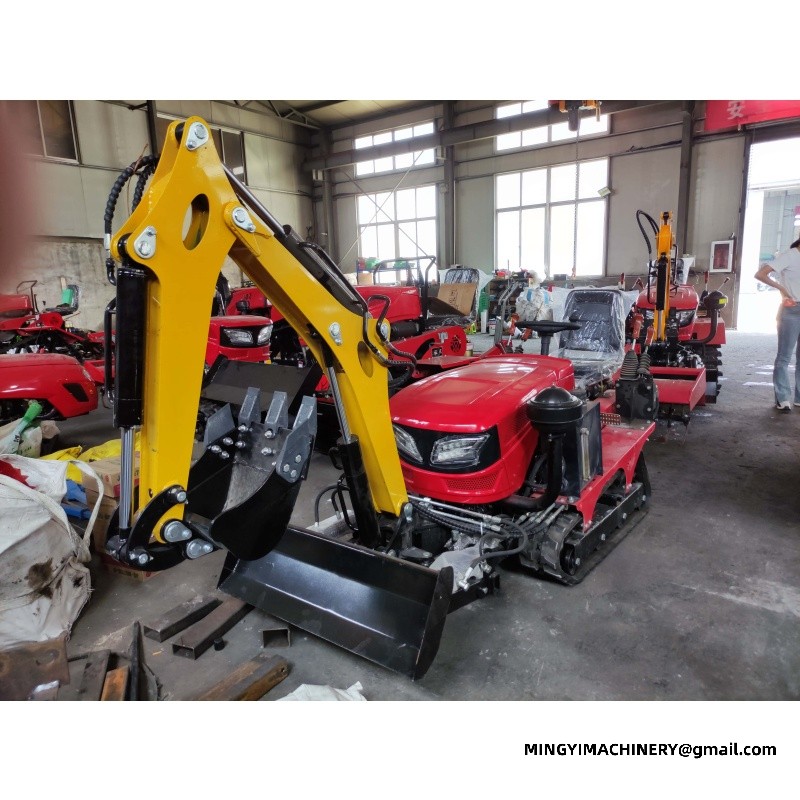
Familiarisation should cover the limits as well as the controls. Knowing where a machine of this size loses stability, how it behaves at full reach, and what the warning lights mean prevents the incidents that are put down to bad luck. A short handover pays for itself. Operators who understand why the equipment on site is set up the way it is will report a change in behaviour early, which is usually the point where a repair is simplest.
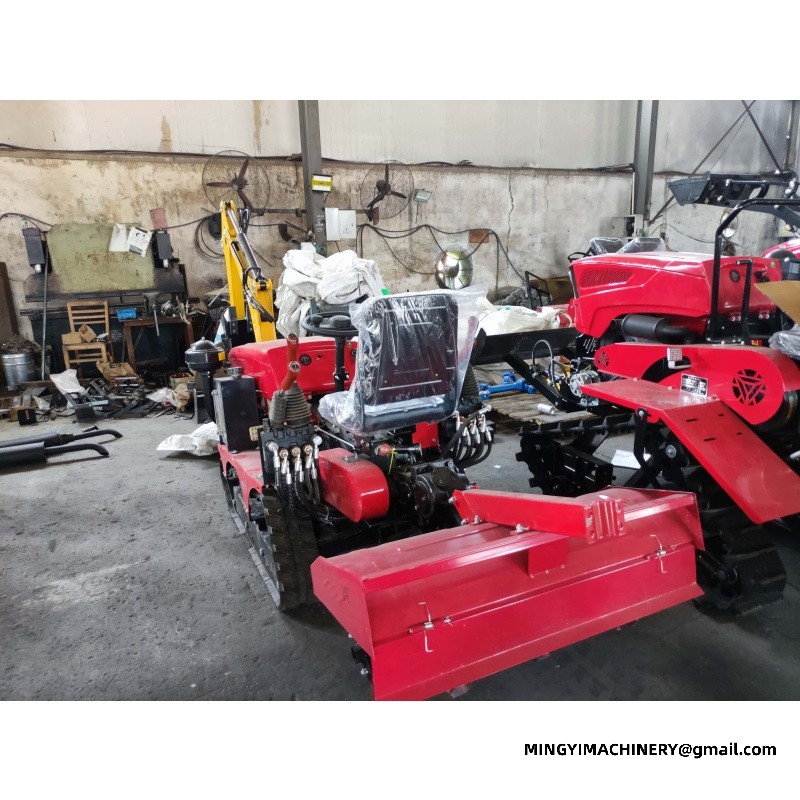
Simple cabs suit some users better. The model in question that can be hosed out, has a washable seat and keeps the controls within reach is often preferred to a fully trimmed cab on a working farm.
Fleet buyers often want consistency rather than variety. Specifying the unit on the job so that several units share controls, filters and service points reduces training time and keeps the parts shelf small. Customisation should still be limited to what the work needs. Each addition to a machine built for the work is another item to maintain, so the useful question is not what can be added but what the job list actually requires.
Soil moisture decides the outcome more than power does. Working the tiller when the ground is too wet smears the furrow and compacts below it, and the damage shows up in the following crop rather than in the same week. The working pass should follow the field. Running this class of machine along the contour on a slope and across the previous pass on the flat gives a more even tilth than following the same line every season.
Moving the machine is part of owning it. Overall length, width and height decide which trailer or container a machine of this size fits, and a machine that needs a permit or an abnormal load escort is a machine with a delivery delay built in. Owners who work across several sites should check the transport dimensions before ordering. The equipment on site that fits a standard trailer can be moved by any operator with a suitable vehicle, while an over-width machine narrows that choice and complicates every move.
Working after daylight changes the risk. Lighting coverage on the machine in that duty and across the working area, plus high-visibility clothing for anyone on foot, are the items that make low-light work practical. Visibility from the seat is different at night. Reflections, shadows and glare all hide detail, so the model in question used after dark benefits from clean lenses, working wipers and a slower working pace.
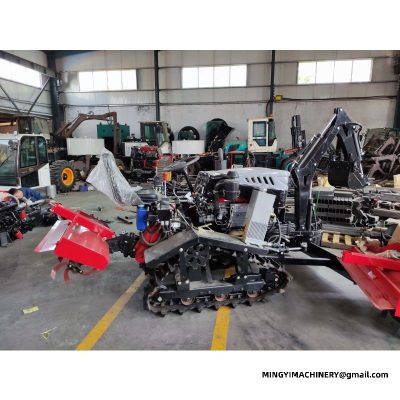
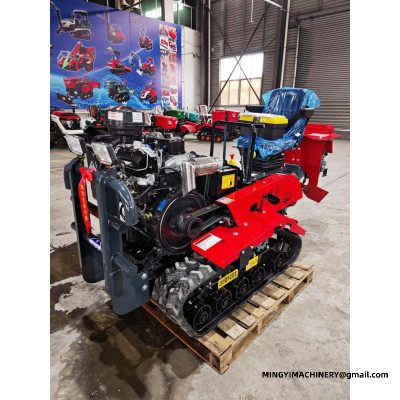
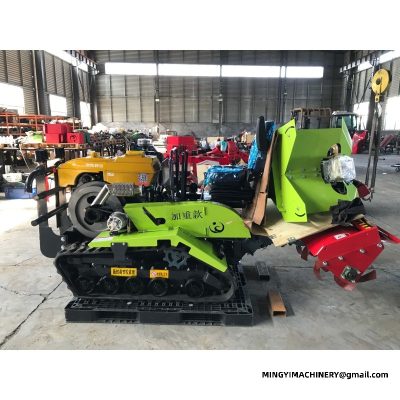
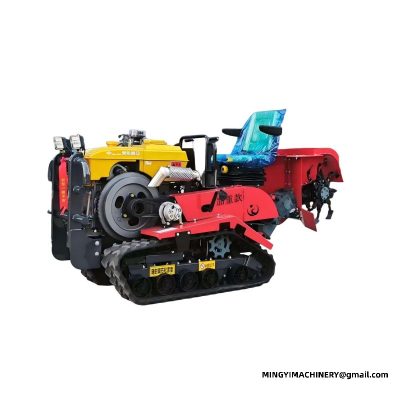
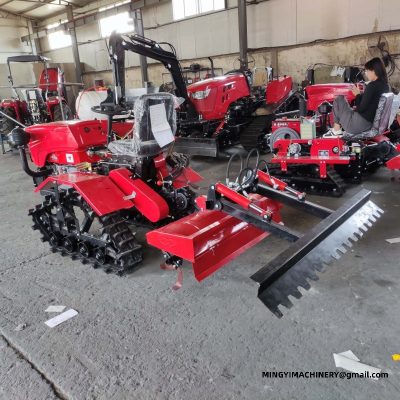
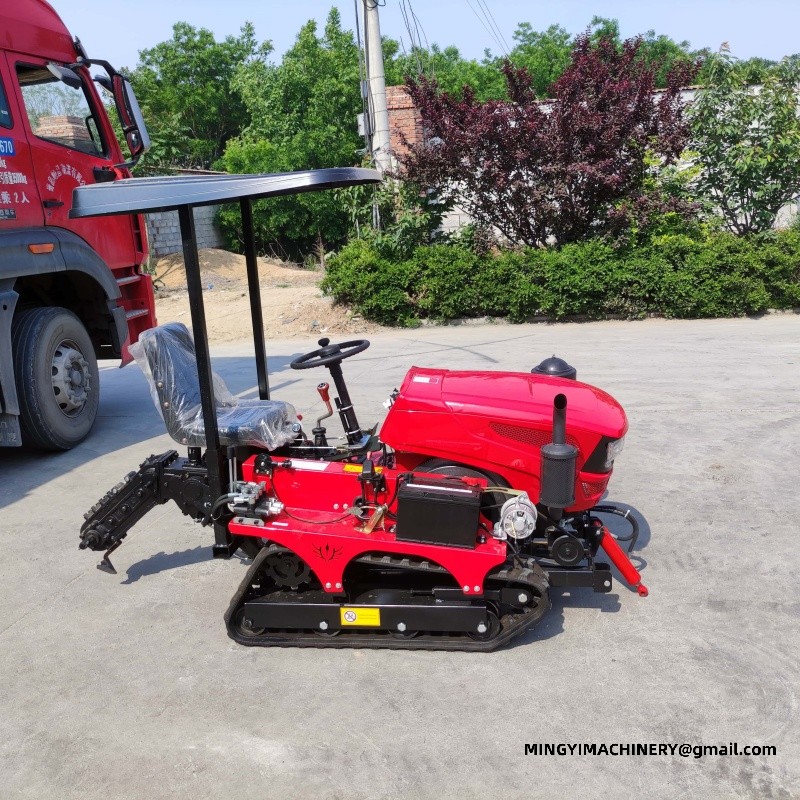
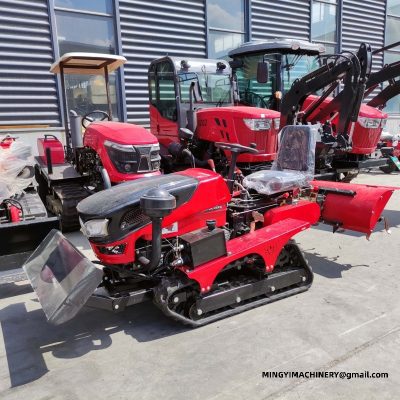
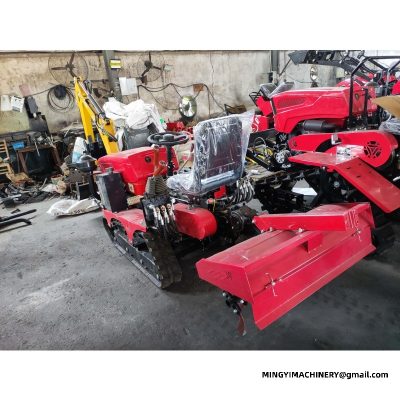
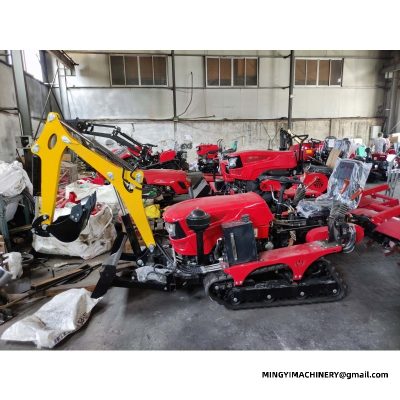
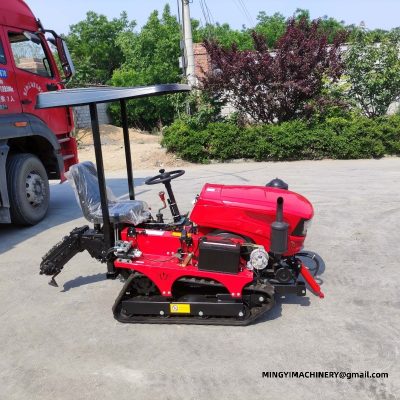
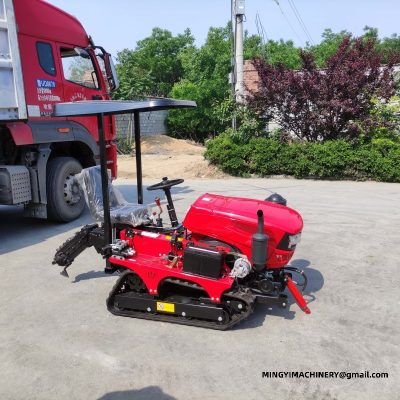
The models below cover the crawler rotary tiller range. Power, working condition, engine series and track width are confirmed together, because the field the machine works in decides the track and the engine before the working width matters.
| Model | Working condition | Engine series | Induction | Track width |
|---|---|---|---|---|
| 70/75 hp dry field crawler rotary tiller | dry field | 490 series | turbocharged | — |
| 120 hp paddy field crawler rotary tiller | paddy field | — | — | 350 mm |
| 80 hp wet and dry field crawler rotary tiller | wet and dry field | 495 series | turbocharged | — |
| 130 hp paddy field crawler rotary tiller | paddy field | — | — | 350 mm |
| 70/75 hp wet and dry field crawler rotary tiller | wet and dry field | 490 series | turbocharged | — |
| 50 hp wet and dry field crawler rotary tiller | wet and dry field | 490 series | — | — |
| 80 hp wet and dry field crawler rotary tiller | wet and dry field | 495 series | turbocharged | — |
| 50 hp dry field crawler rotary tiller | dry field | 490 series | — | — |
| Item | Note |
|---|---|
| centre trencher | — |
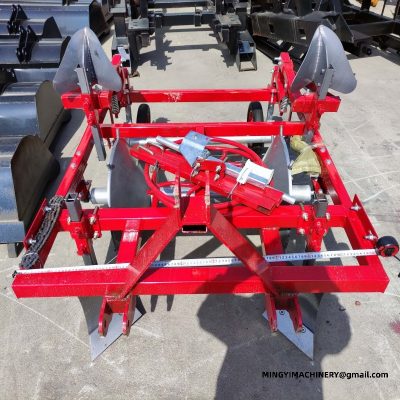
| land leveller2.2 m -4.4 m | working width 2.2 m |
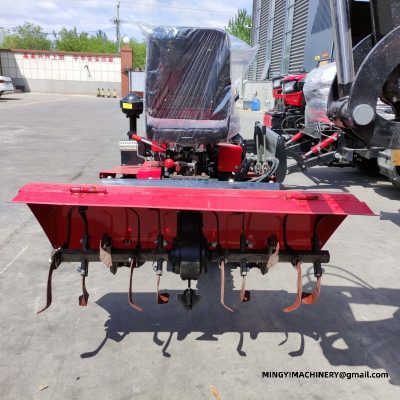
| rotary tiller , 2.2 m working width , 150 gearbox | — |
| rotary tiller , 1.3 m working width , 125 gearbox | — |
| rotary tiller , 2.0 m working width , 150 gearbox | — |
| 1.8 m rotary tillagefertilisingcombined machine | working width 1.8 m |
| rotary tiller , 2.2 m working width , 180 gearbox | — |
| simple canopy | — |
Temperature and pressure are the two things worth watching. The tiller that runs hotter than it used to, or whose pressure has drifted, is reporting a problem that is still simple to fix.
What the customer sees on arrival is decided before departure. The walk-around given to the unit in daily use covers the same points the operator will check on day one, so there are no surprises when the crate is opened at the destination.
A stored machine should be brought back carefully. Before the equipment on site returns to work the fluids, the brakes and the controls are checked, because months of standing change more than a weekend does.
The parts that stop a machine are rarely the parts that are hardest to find. Filters, belts, seals and the ground engaging tools on the model in question are easy to hold and slow to replace, which is why they belong on the shelf rather than on an order.
Operators who come from a different machine need a short conversion. The controls on the unit on the job follow the usual pattern, but the response, the sightlines and the stopping distance are learned by doing rather than by reading.
How a machine travels decides how it starts on arrival. Securing the equipment in service against movement, protecting the exposed cylinders and keeping the battery and fluids in the right state for the voyage all belong to the packing list.
A clear parts book saves more time than any other document. When this class of machine needs a replacement, the illustration and the part number are what turn a phone call into a shipment instead of a description.
Commissioning is where the specification meets the ground. The settings chosen for a machine of this size are confirmed against the actual site, and the working pattern is adjusted before the machine is asked for a full day.
Every line above comes from the build sheet for the equipment on site, and the final configuration is confirmed against the working conditions and the destination before production.
E-mail:sales@mingycn.com
LINE(ID):mingyicn