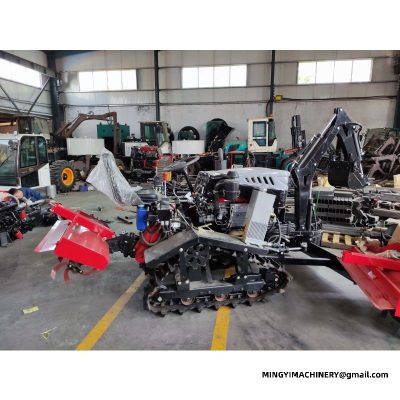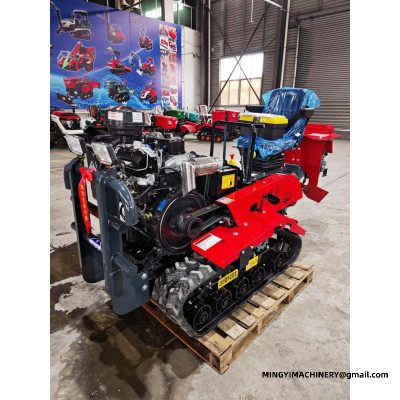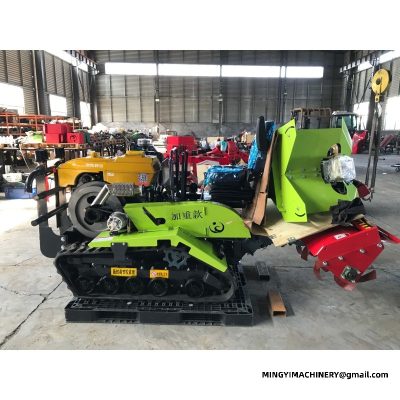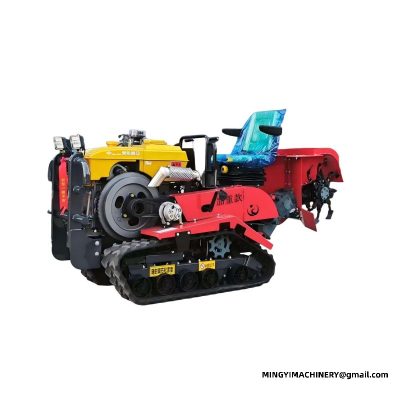
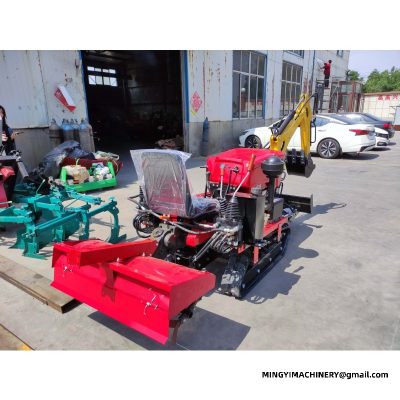
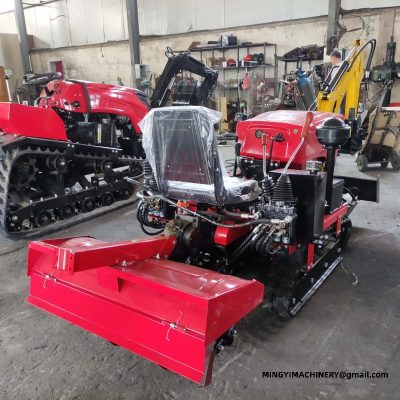
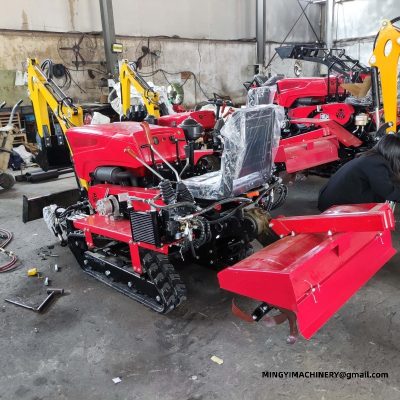
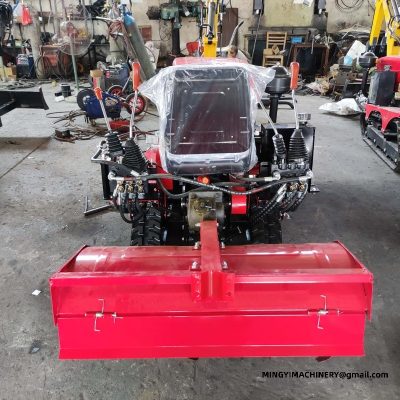
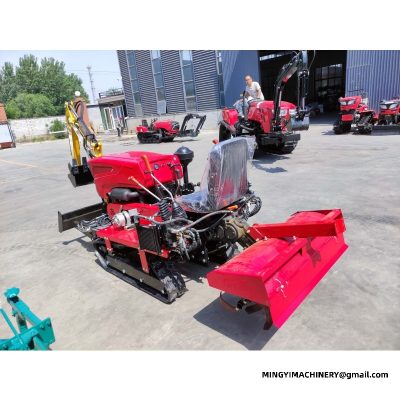
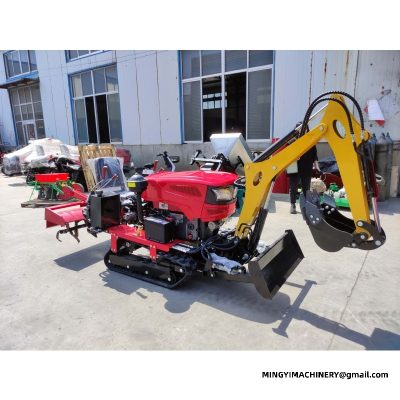
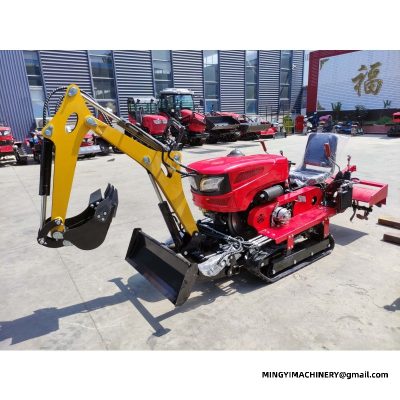
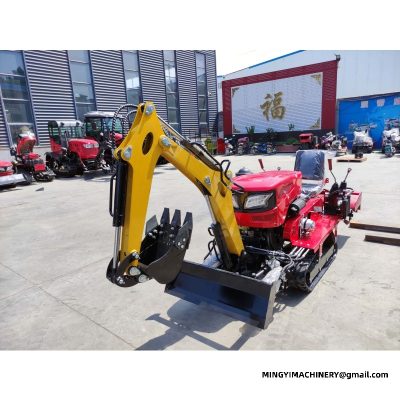
Buyers comparing the tiller are usually weighing the same few things, among them working range, the width of the access, the surface it runs on and how quickly it can be serviced. This page takes each in turn and leaves the numbers together at the end.
Familiarisation should cover the limits as well as the controls. Knowing where this class of machine loses stability, how it behaves at full reach, and what the warning lights mean prevents the incidents that are put down to bad luck.
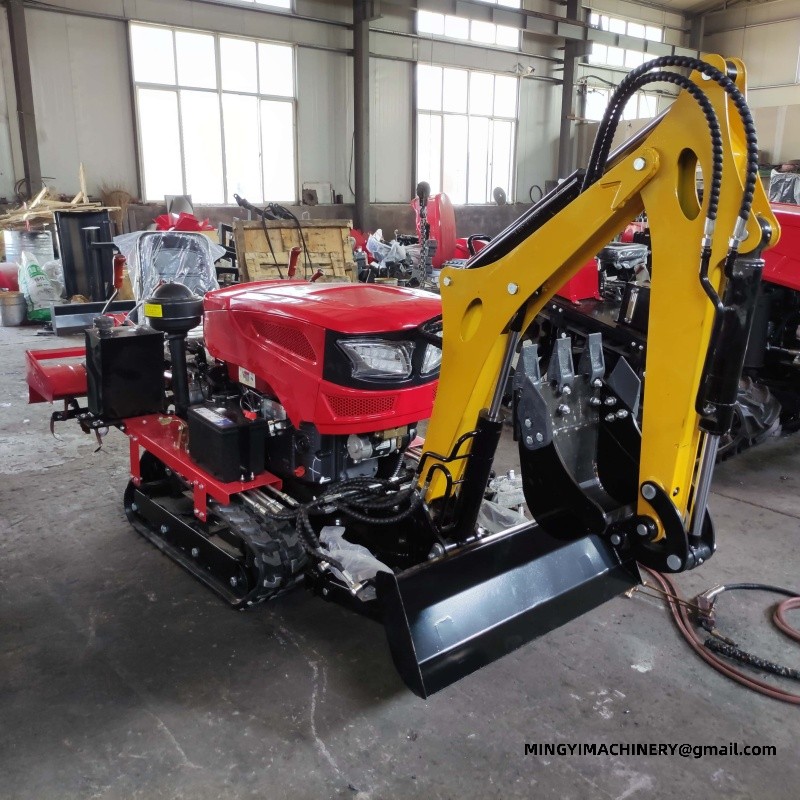
Fleet buyers often want consistency rather than variety. Specifying the unit in daily use so that several units share controls, filters and service points reduces training time and keeps the parts shelf small.
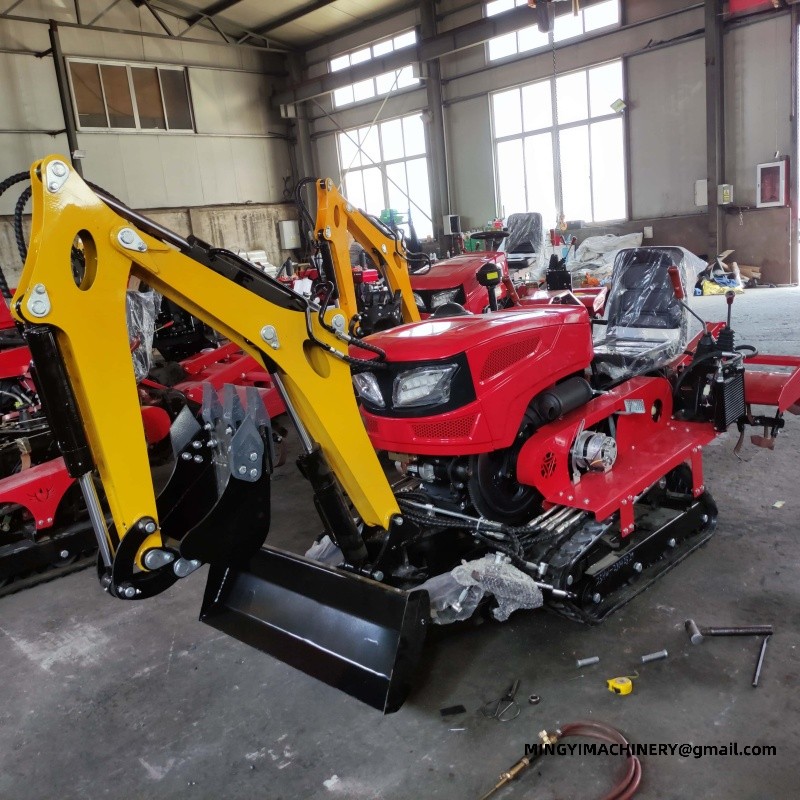
Depth is set by the gauge and by the ground, not by the lever alone. A machine of this size that is set too deep loads the engine and the gearbox without improving the seedbed, and the extra depth is usually wasted effort.
Row work is about width and clearance. The equipment on site used between vines or under orchard trees has to fit the row, and the working width and overall height are specified from the planting rather than from the field size. Turning room at the headland matters in short rows. The machine itself that turns inside its own length covers more of a small plot per hour than a larger machine that has to reverse out of every row.
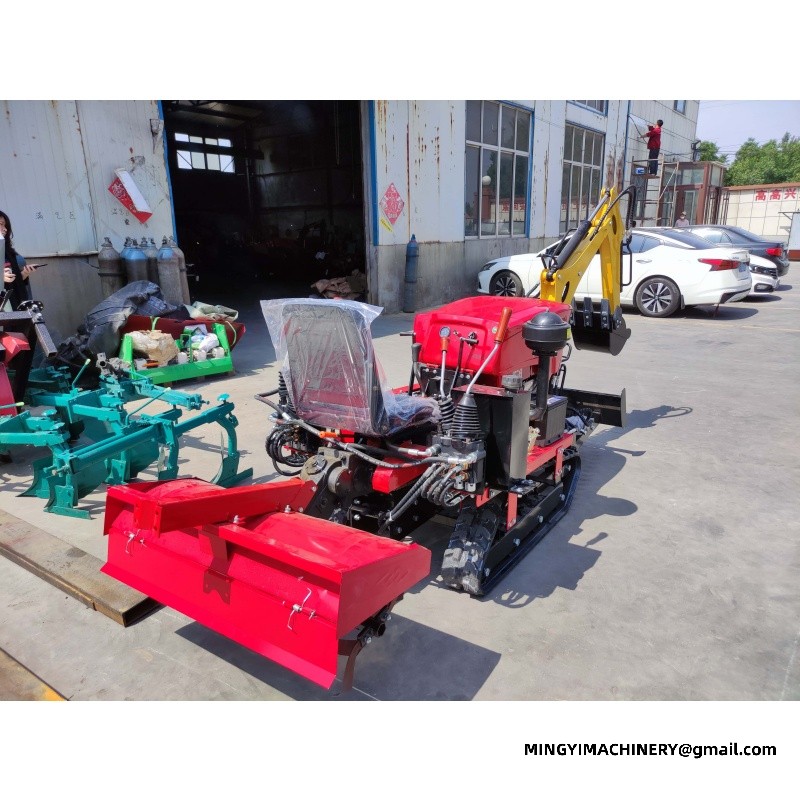
Most failures start as something small that a walk-around would have caught. Fluid levels, belt tension, tyre or track condition and any fresh leak are the items worth two minutes at the start of each shift on the model in question. A simple log helps. Recording hours, fuel and any adjustment made to the machine in that duty gives the workshop a history, and that history is what turns an intermittent fault into a one-visit repair instead of three.
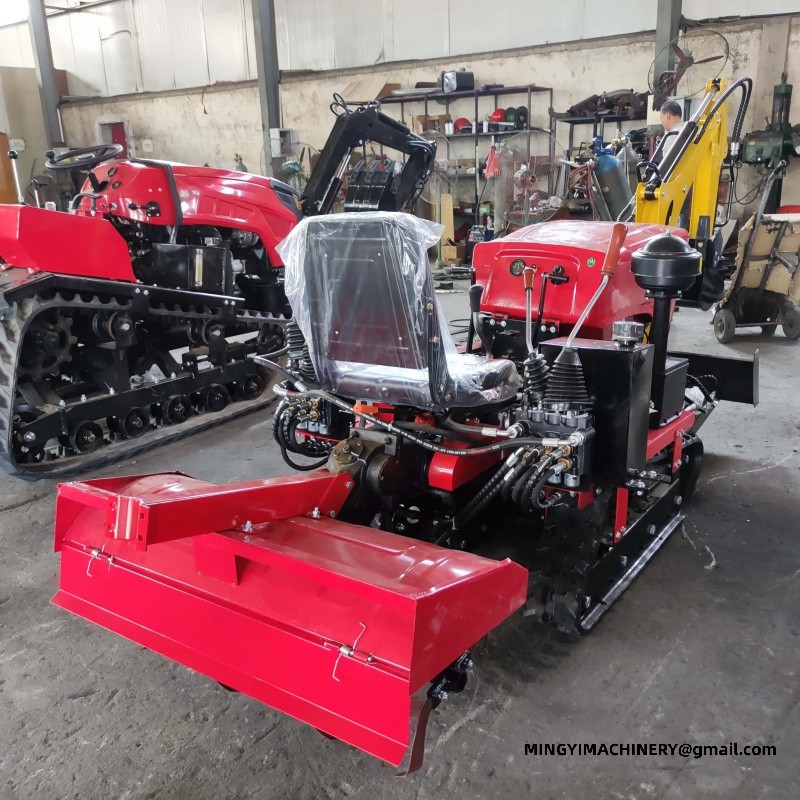
The track is what makes the machine usable on soft ground. A wider track spreads the weight of a machine built for the work over more area and lowers ground pressure, which is the difference between working after rain and waiting for the field to dry. Track tension and wear matter more than most owners expect. The unit on the job run with slack tracks wears the sprockets and rollers, and the effort of that neglect is a full undercarriage rather than an adjustment.
Paddy work changes the specification. The equipment in service intended for flooded ground needs sealed hubs, a higher air intake and flotation that keeps it on the surface, and those are build items rather than things to add later. Wet and dry field versions exist for a reason. The tiller built only for dry land will struggle in a paddy, while one built for both gives up a little on each and is usually the better choice for a mixed farm.
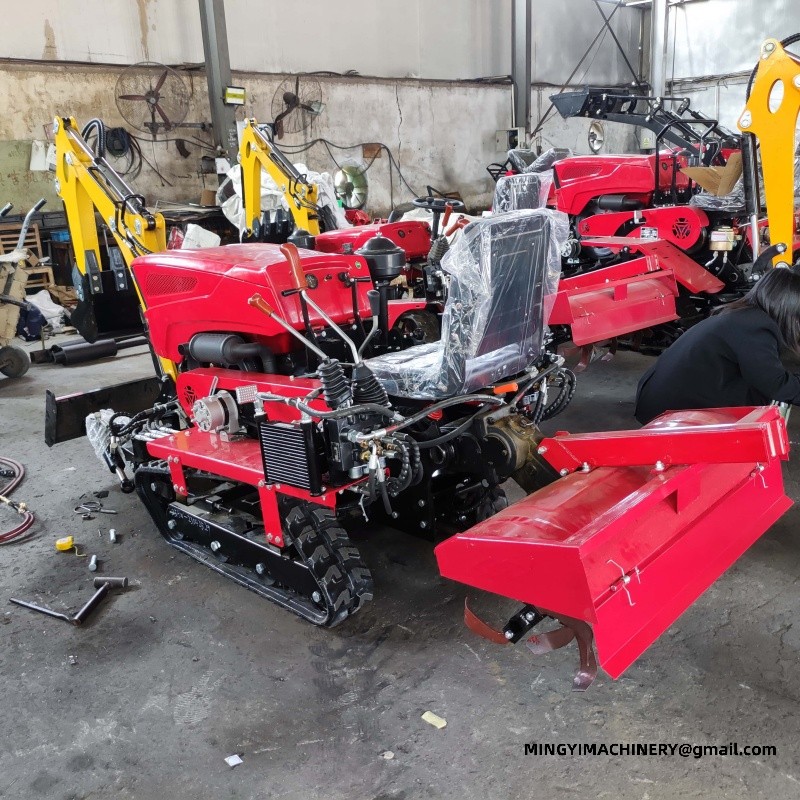
Attachment decisions are best made before delivery. Specifying hydraulics and couplers at build time is simpler than adding them later, and it avoids the downtime of a workshop visit in the first month. Most owners find that the second attachment changes how often the machine is used. This class of machine that was bought for one task often becomes the general machine on site once a second tool is available.
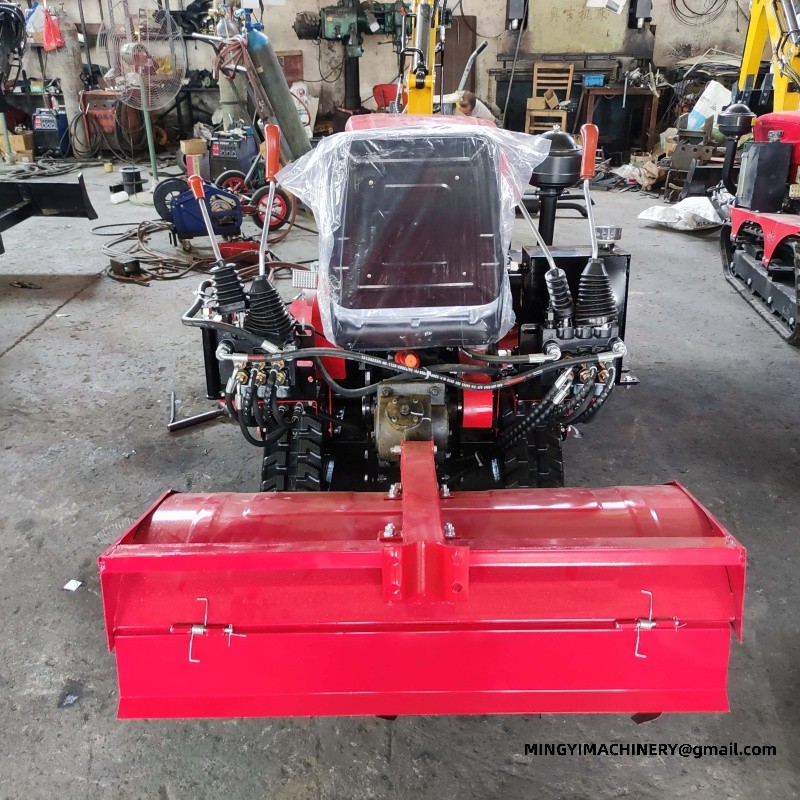
Lead time is part of the specification. Confirming build time, shipping method and what is included before ordering a machine of this size prevents the common gap between when the machine is needed and when it can arrive. The order should state the configuration in writing. Engine, attachments, colour, documents and any market requirement are clearer on the build sheet for the equipment on site than in a conversation after delivery. Delivery planning includes the receiving end. Knowing whether the machine itself will be craned, driven or forked off, and whether the site can accept it, is settled before dispatch rather than on the day.
Support after delivery is a parts question. Filters, belts, hoses and the wearing items specific to the machine in that duty are what a buyer should plan to hold before the first service interval rather than order after a failure. Parts availability usually decides the engine and the brand. A machine built around components the local network already carries is serviced from stock, which is the difference between a day lost and a week lost. Remote diagnosis shortens most faults. A walk-around on video with the panels open often identifies the cause on the unit on the job without waiting for a visit, and avoids shipping a part that turns out not to be needed.
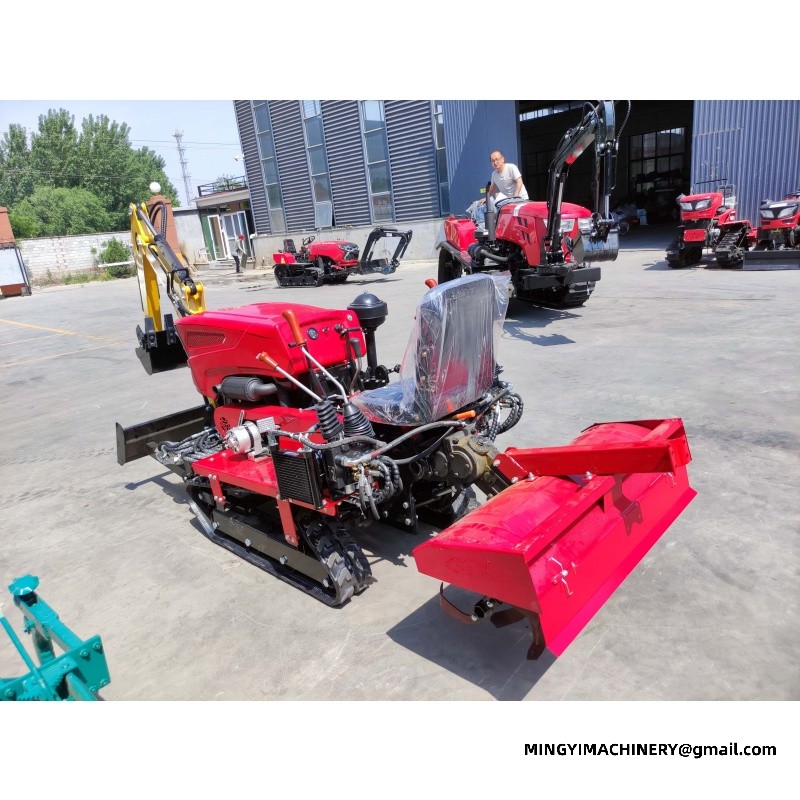
The working pass should follow the field. Running the equipment in service along the contour on a slope and across the previous pass on the flat gives a more even tilth than following the same line every season.
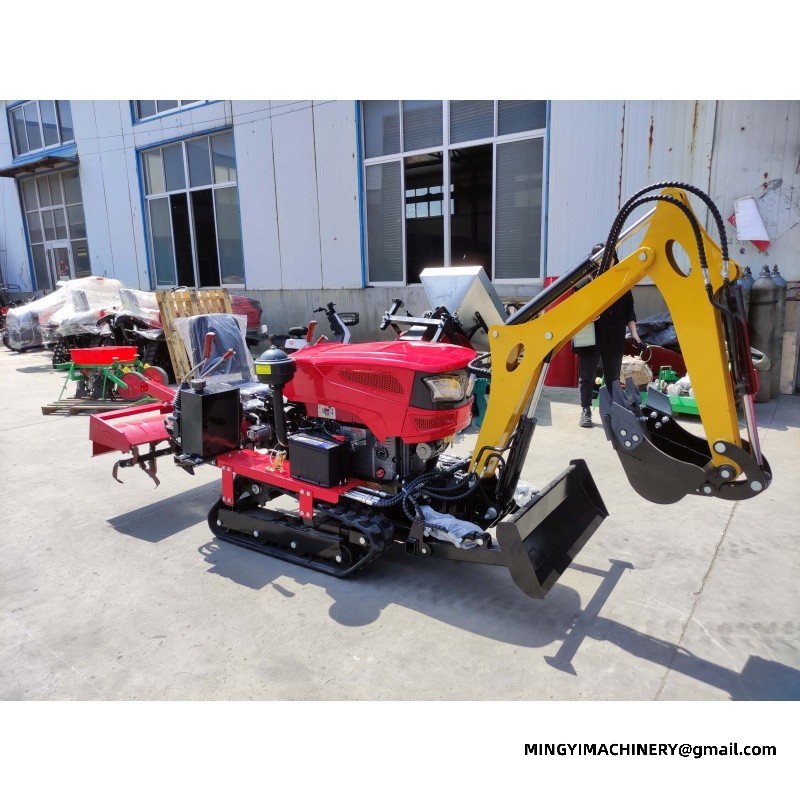
Abrasive conditions shorten service intervals. Air filters, seals and any exposed sliding surface on this class of machine need attention more often in dusty or muddy work, and the extra checks prevent far more wear than the time they take. Cleaning is maintenance, not appearance. Washing the cooling surfaces and clearing packed material from the unit in daily use keeps temperatures where they should be and makes the next inspection quicker and more useful. Sealed points and guarded areas deserve a look in these conditions. A machine of this size working in abrasive dust benefits from checked boots, intact guards and clean breathers, all of which are quick to verify.
Visibility from the seat is different at night. Reflections, shadows and glare all hide detail, so the machine itself used after dark benefits from clean lenses, working wipers and a slower working pace. Planning helps more than extra lamps. Positioning the model in question so that the work is lit from the machine side, and keeping the route clear, does more for safety than adding light to a badly planned task.
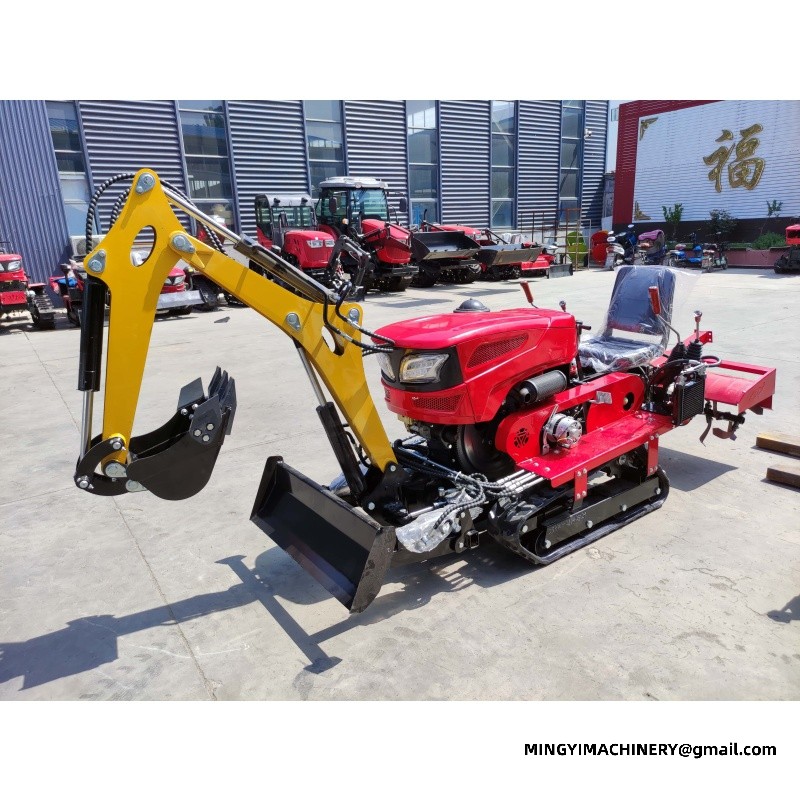
Reconfiguration can extend the useful life of a machine. The unit on the job that no longer suits the current work may suit it again with a different attachment, guarding or control arrangement. The decision is economic as well as technical. Comparing the work of reconfiguring a machine built for the work against a different machine is a short calculation that usually gives a clear answer.
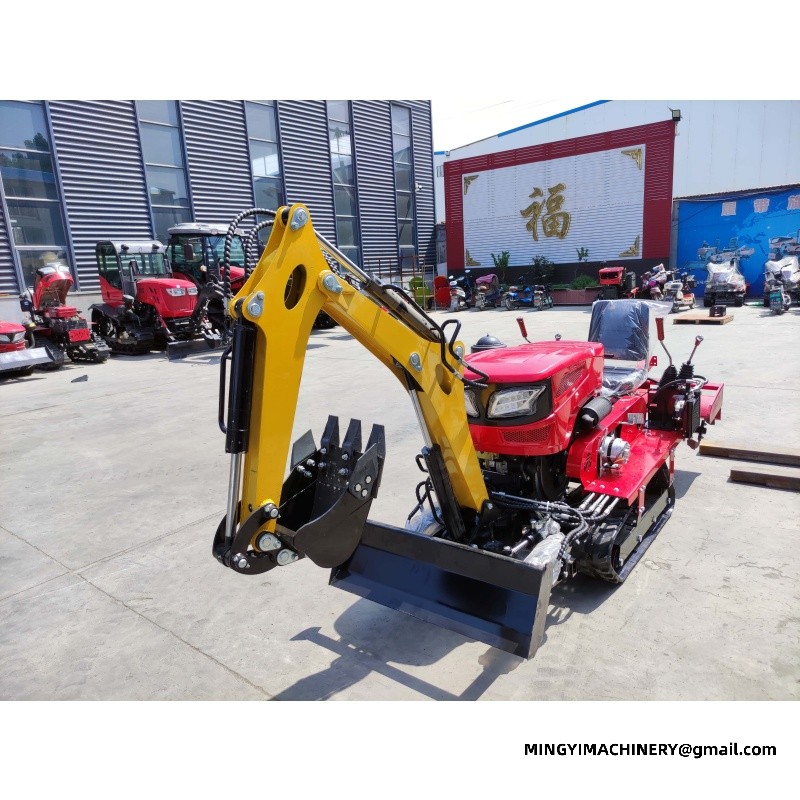
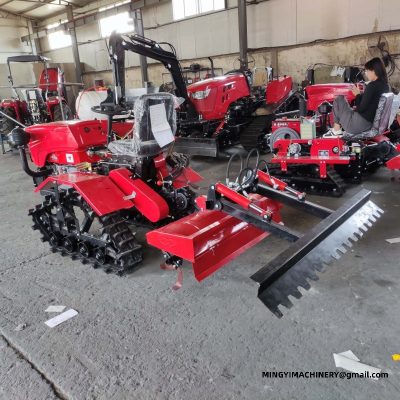
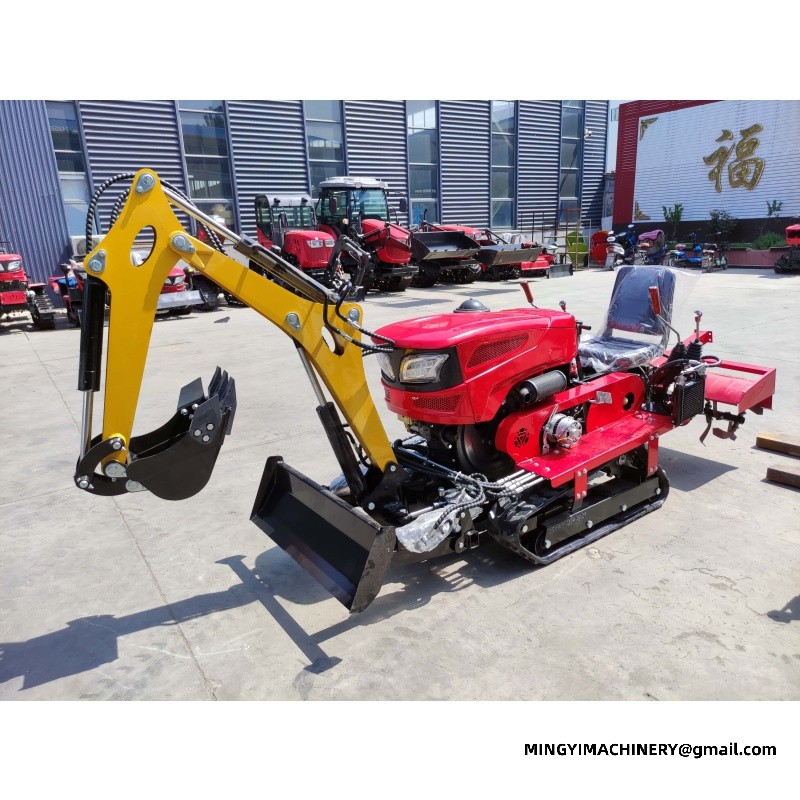
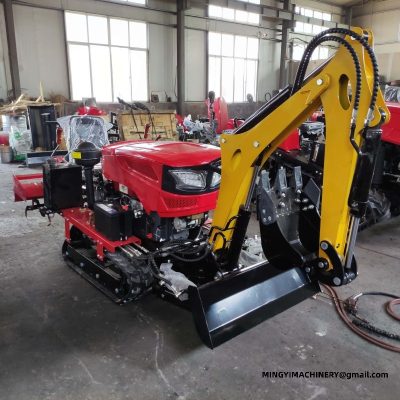
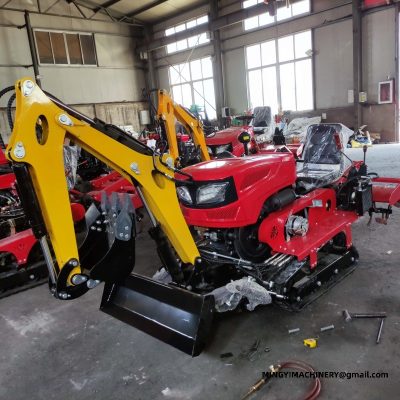
The models below cover the crawler rotary tiller range. Power, working condition, engine series and track width are confirmed together, because the field the machine works in decides the track and the engine before the working width matters.
| Model | Working condition | Engine series | Induction | Track width |
|---|---|---|---|---|
| 80 hp wet and dry field crawler rotary tiller | wet and dry field | 495 series | turbocharged | — |
| 100 hp wet and dry field crawler rotary tiller | wet and dry field | — | — | 350 mm |
| 70/75 hp dry field crawler rotary tiller | dry field | 490 series | turbocharged | — |
| 60 hp wet and dry field crawler rotary tiller | wet and dry field | 495 series | — | — |
| 50 hp wet and dry field crawler rotary tiller | wet and dry field | 490 series | — | — |
| 80 hp wet and dry field crawler rotary tiller | wet and dry field | 495 series | turbocharged | — |
| 70/75 hp wet and dry field crawler rotary tiller | wet and dry field | 490 series | turbocharged | — |
| 60 hp dry field crawler rotary tiller | dry field | 495 series | — | — |
| Item | Note |
|---|---|
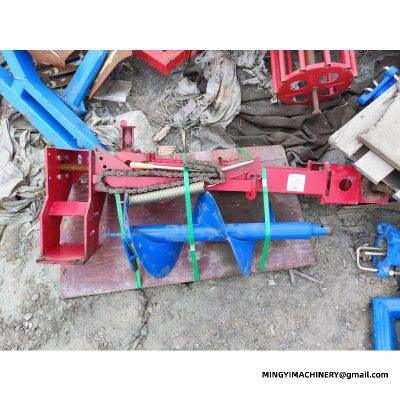
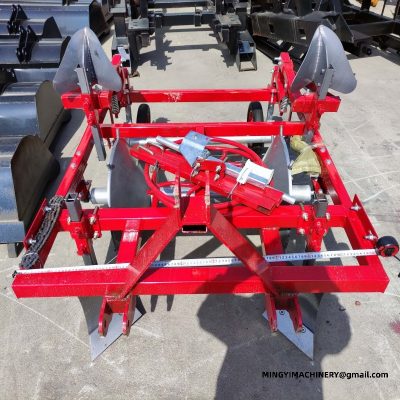
| tree hole digger | — |
| sprayer | — |
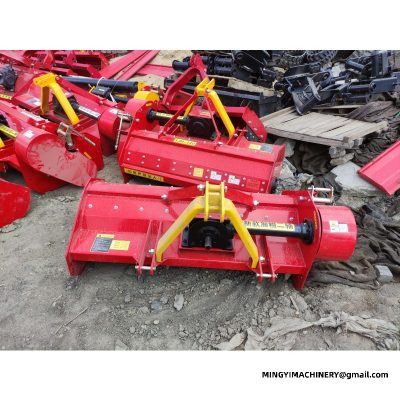
| rotary tiller , 1.7 m working width , 125 gearbox | — |
| land leveller2.2 m -4.4 m | working width 2.2 m |
| rotary tiller , 1.3 m working width , 125 gearbox | — |
| deluxe cab | — |
| rotary tiller , 2.2 m working width , 180 gearbox | — |
| rotary tiller , 1.6 m working width , 125 gearbox | — |
Wear items are predictable once the machine has settled in. After the first service interval the pattern on the unit in daily use is visible, and the parts that were replaced become the parts that are kept.
A cold start is easier when the machine is prepared the night before. The routine that keeps the equipment on site working through winter is mostly a matter of fuel, battery and patience in the first ten minutes of the day.
The paperwork matters as much as the packing. Serial numbers, dimensions and weights recorded for the model in question at loading are the same figures the destination needs, and a mismatch here loses more days than the voyage itself.
What the customer sees on arrival is decided before departure. The walk-around given to the unit on the job covers the same points the operator will check on day one, so there are no surprises when the crate is opened at the destination.
A clear parts book saves more time than any other document. When the equipment in service needs a replacement, the illustration and the part number are what turn a phone call into a shipment instead of a description.
Securing the load is not optional. Lashing this class of machine at the points intended for it, checking the tension before the vehicle moves and rechecking after the first kilometres is standard practice rather than extra care.
Retrofitting is limited by the base machine. Before anything is added to a machine of this size the hydraulic flow, the mounting interface and the stability allowance have to be checked, because those limits are what decide what is sensible.
Contamination is easier to prevent than to cure. Keeping the filler caps sealed, the funnels clean and the containers closed around the machine itself is unglamorous work that shows up as reliability later.
Every line above comes from the build sheet for the model in question, and the final configuration is confirmed against the working conditions and the destination before production.
E-mail:sales@mingycn.com
LINE(ID):mingyicn