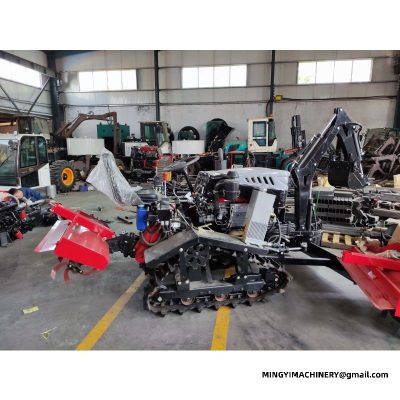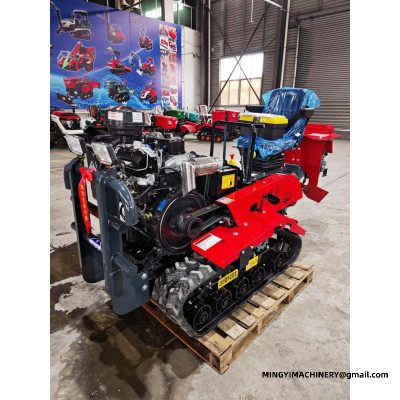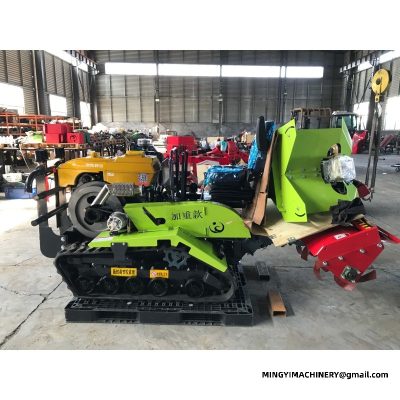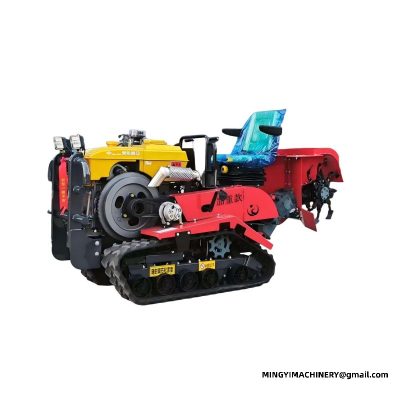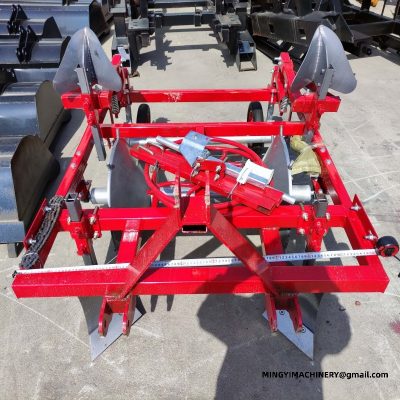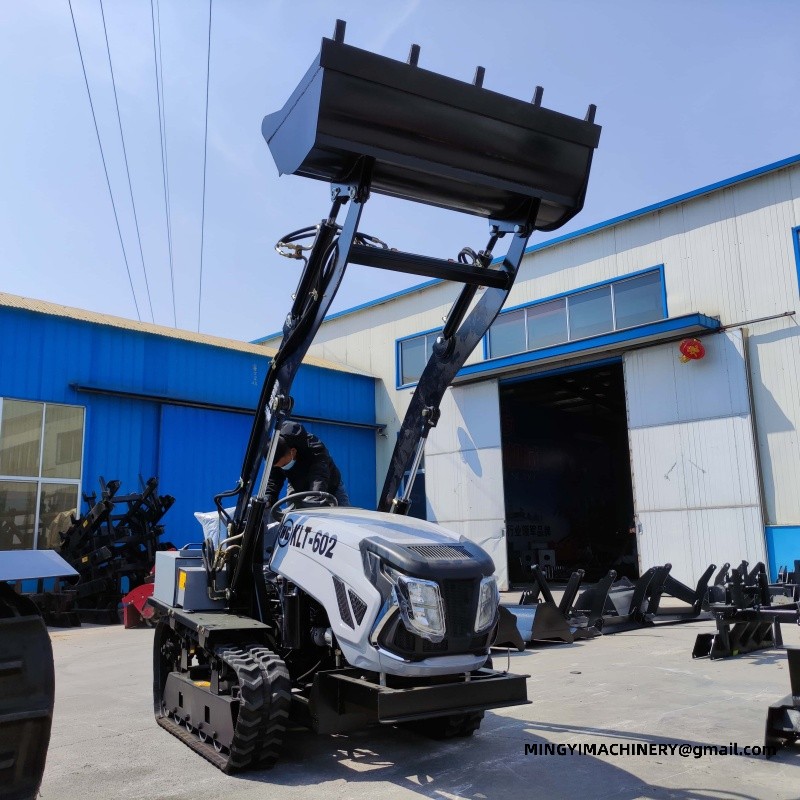
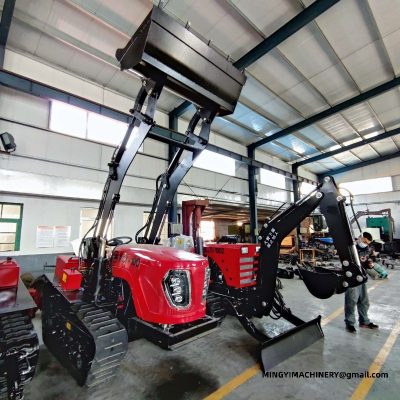
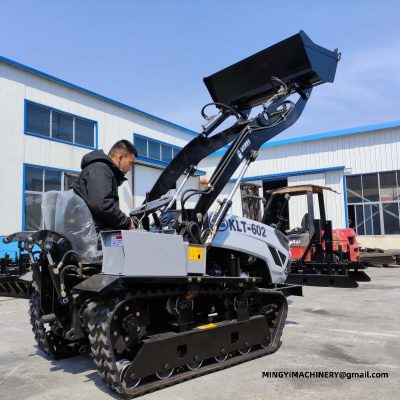
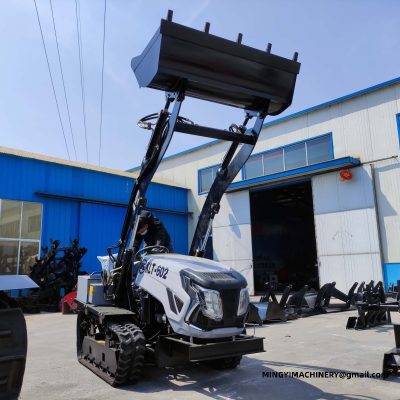
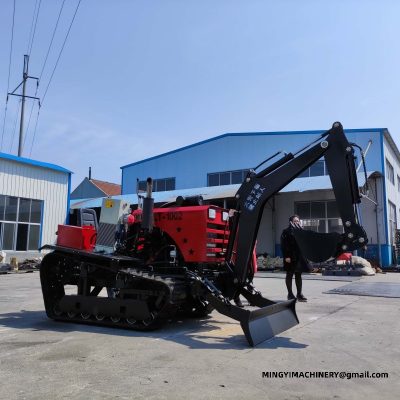
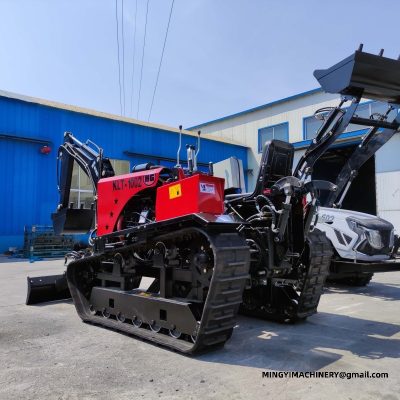
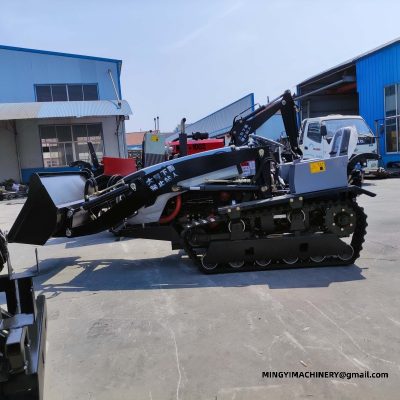
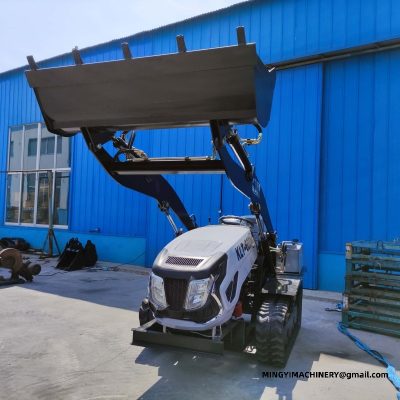
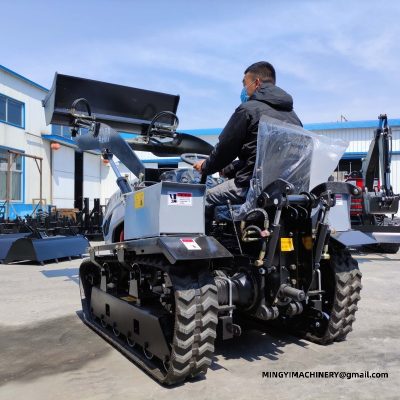
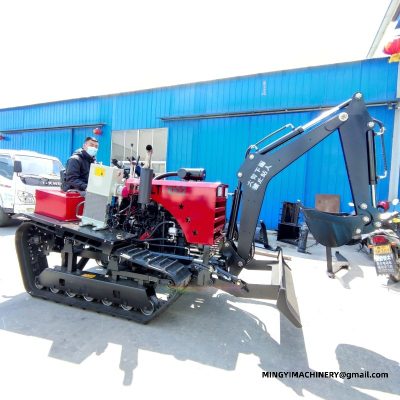
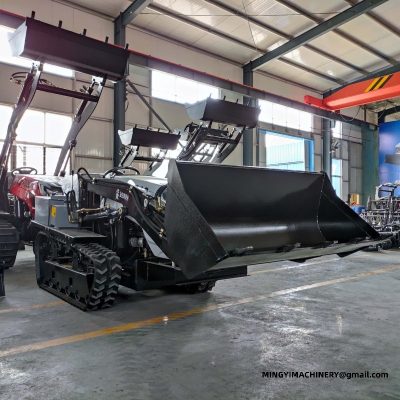
Several forms of the tiller appear in this range, and the right one depends on the ground more than on the brochure. Below, the practical differences are set out alongside the figures so the two can be read together.
Buyers who specify this class of machine on paper before enquiring get specifications that can be compared. Without that list, two suppliers will propose two different machines and the simpler one is usually the smaller one, not the better value.
Blade wear is uneven across the width. Rotating and renewing the set on the unit in daily use before the worst blade fails keeps the tilth even and avoids the vibration that damages the rotor bearings.
An even tilth is the point of the pass. Depth that varies across the width of a machine of this size gives a seedbed that germinates unevenly, and the cause is usually a worn blade set rather than the setting.
Before-storage preparation prevents most return-to-work faults. Draining or treating fuel, protecting exposed rods and relieving pressure where the maker specifies it are the items worth an hour when the equipment on site is parked.
Track tension and wear matter more than most owners expect. The machine itself run with slack tracks wears the sprockets and rollers, and the effort of that neglect is a full undercarriage rather than an adjustment.
Standardising where possible simplifies everything downstream. When several units of the model in question share a service schedule and a parts list, the fleet becomes easier to plan and easier to sell on at replacement time.
Cold changes how a machine starts and how it warms up. Allowing the machine in that duty to reach operating temperature before loading it, and using the correct grade of oil and fuel for the season, prevents most cold-start problems. Batteries and fluids are the parts that notice the cold first. The unit on the job kept on a maintainer through a freezing spell starts on the first turn, while one left standing is the usual cause of a lost morning. Low temperatures also make materials behave differently. Ground that is frozen hard in the morning can be soft by midday, and planning the sequence around that is easier than fighting it with a machine built for the work.
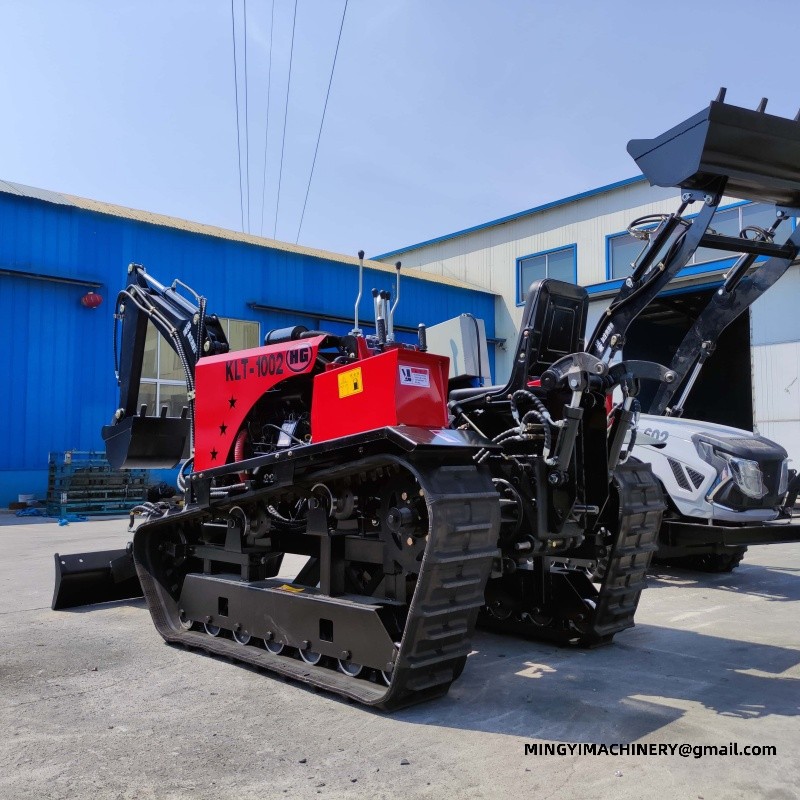
Familiarisation should cover the limits as well as the controls. Knowing where the equipment in service loses stability, how it behaves at full reach, and what the warning lights mean prevents the incidents that are put down to bad luck. A short handover pays for itself. Operators who understand why the tiller is set up the way it is will report a change in behaviour early, which is usually the point where a repair is simplest.
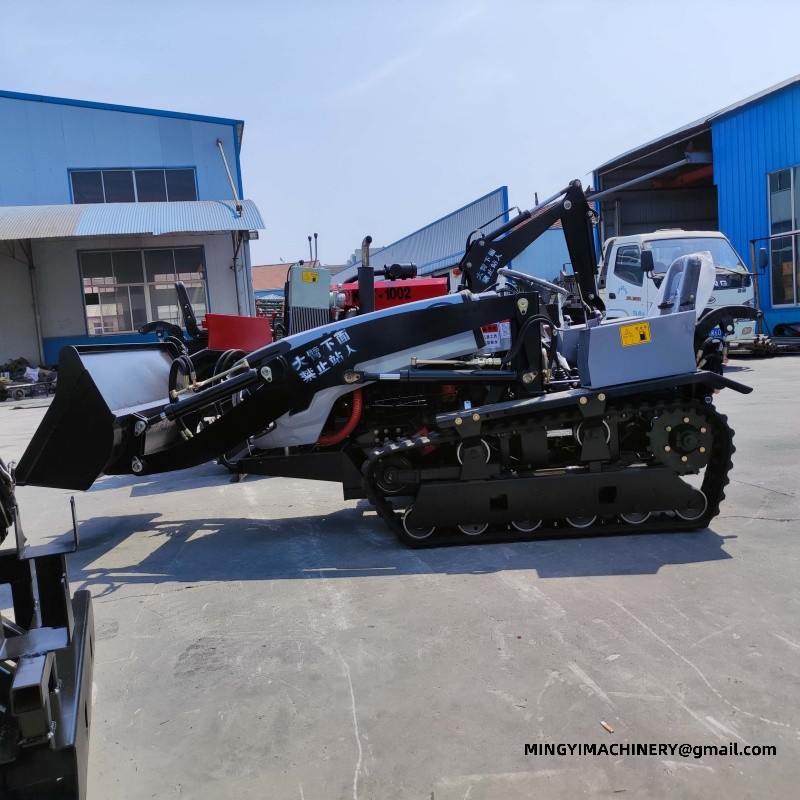
Paddy work changes the specification. The unit in daily use intended for flooded ground needs sealed hubs, a higher air intake and flotation that keeps it on the surface, and those are build items rather than things to add later. Standing water hides the ground underneath. Working a machine of this size in a paddy means accepting slower progress and planning the turns, because the places where the machine sinks are the places where the soil has already been disturbed. Wet and dry field versions exist for a reason. The equipment on site built only for dry land will struggle in a paddy, while one built for both gives up a little on each and is usually the better choice for a mixed farm.
Working after daylight changes the risk. Lighting coverage on the machine in that duty and across the working area, plus high-visibility clothing for anyone on foot, are the items that make low-light work practical. Visibility from the seat is different at night. Reflections, shadows and glare all hide detail, so the model in question used after dark benefits from clean lenses, working wipers and a slower working pace.
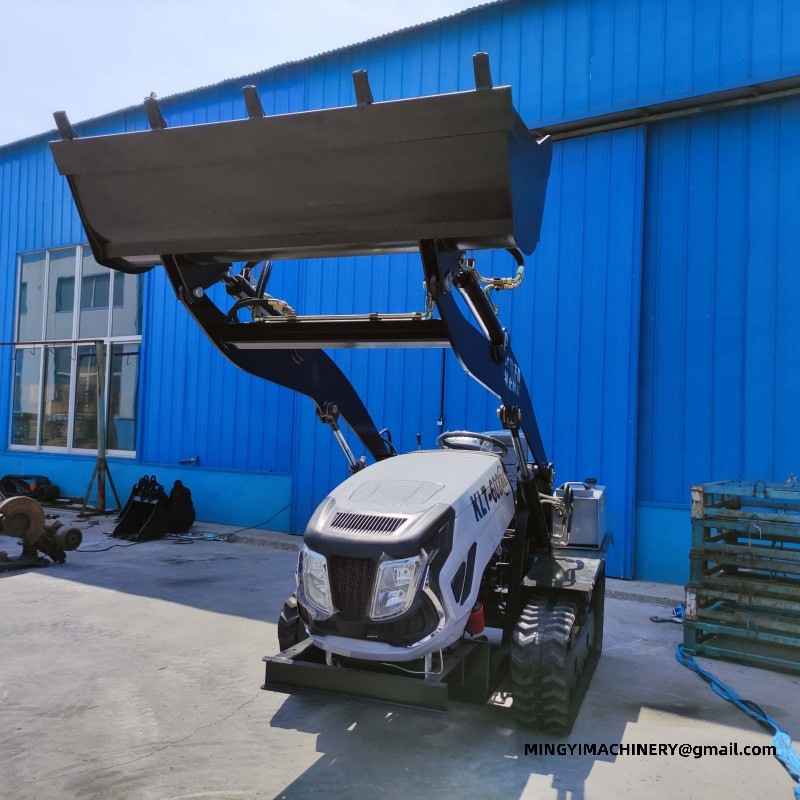
Certain parts are designed to be consumed. Knowing which items on a machine built for the work are wearing parts, and roughly how long they last in the duty the machine sees, turns replacement into a plan rather than a breakdown. Wear rate follows conditions far more than hours. The equipment in service working on abrasive ground or in mud will consume undercarriage or tyre life much faster than the same machine on clean ground. Replacing wear items early is usually simpler. Worn components on the tiller load the parts they run against, so a worn part left too long often becomes a major repair.
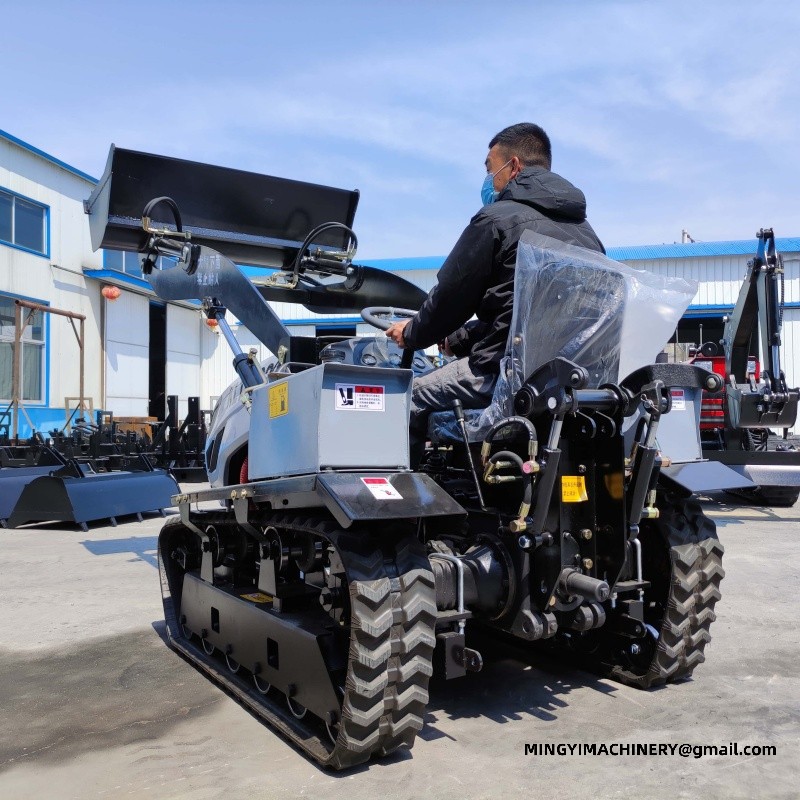
Power unit choice is usually a parts question, not a performance one. Two buyers can order the same the unit in daily use and sensibly choose different engines, because the right answer depends on which brand the local workshop already supports.
Export orders add steps that domestic buyers never see. Packed dimensions, securing points, documentation and any dismantling required are all settled before the equipment on site leaves the factory, and each one affects the freight booking. Container loading is a planning exercise. Confirming how the machine itself is packed and how many units fit a container is what turns a per-unit freight estimate into a delivered figure the buyer can actually plan against. Documentation should be agreed at order stage. The commercial invoice, packing list and any certificate required at destination are part of shipping the model in question, and missing papers delay clearance longer than the voyage takes.
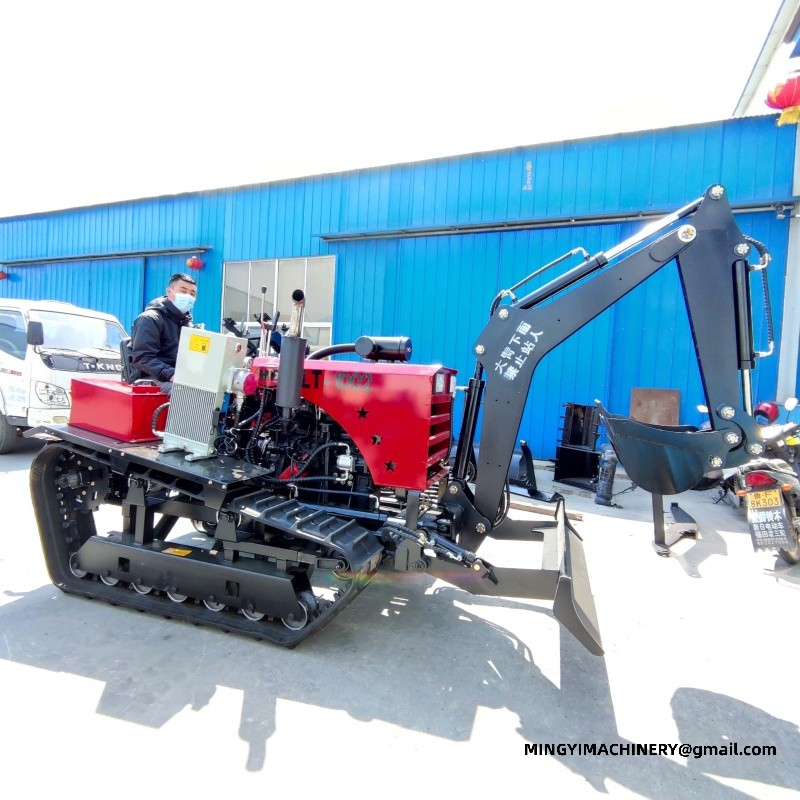
The decision is economic as well as technical. Comparing the work of reconfiguring the unit on the job against a different machine is a short calculation that usually gives a clear answer.
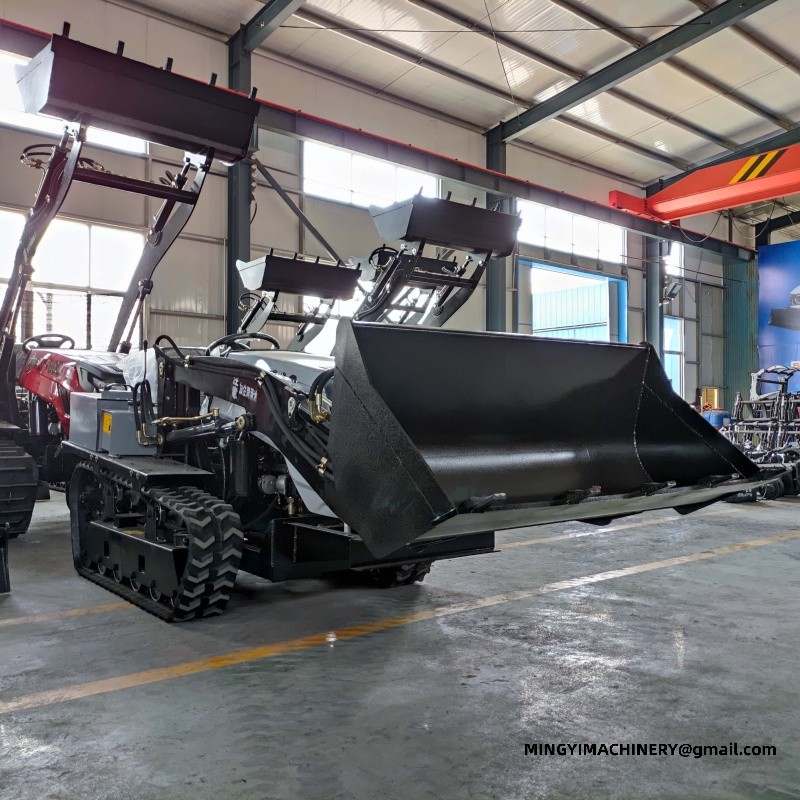
Turning room at the headland matters in short rows. The equipment in service that turns inside its own length covers more of a small plot per hour than a larger machine that has to reverse out of every row. Row crop work also means working around obstacles. Guards, lighting and a clear view from the seat are what let the tiller work close to trunks and posts without damage to either.
Implement width should follow the power. The unit in daily use with an implement wider than it can drive will labour, burn more fuel and leave an uneven tilth, and the correct width is the one that holds a steady engine speed. Changing implements is routine work. Quick hitch geometry, PTO guard condition and the hydraulic services on a machine of this size decide how long a change takes, and that time is what a contractor loses money on.
Stability follows the load and its position. Knowing the rated capacity of the machine itself at the working radius, rather than at its best case, is what keeps handling predictable and the machine upright. Carrying and travelling with a load needs its own plan. Speed, gradient and surface all matter more once the model in question is loaded, and the safe combination is the conservative one.
Access and storage are worth settling early. Where the unit on the job will be parked, refuelled and serviced on site affects the working day more than most specification details, and it takes nothing to plan.
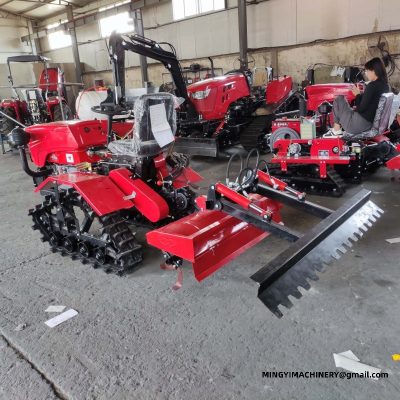
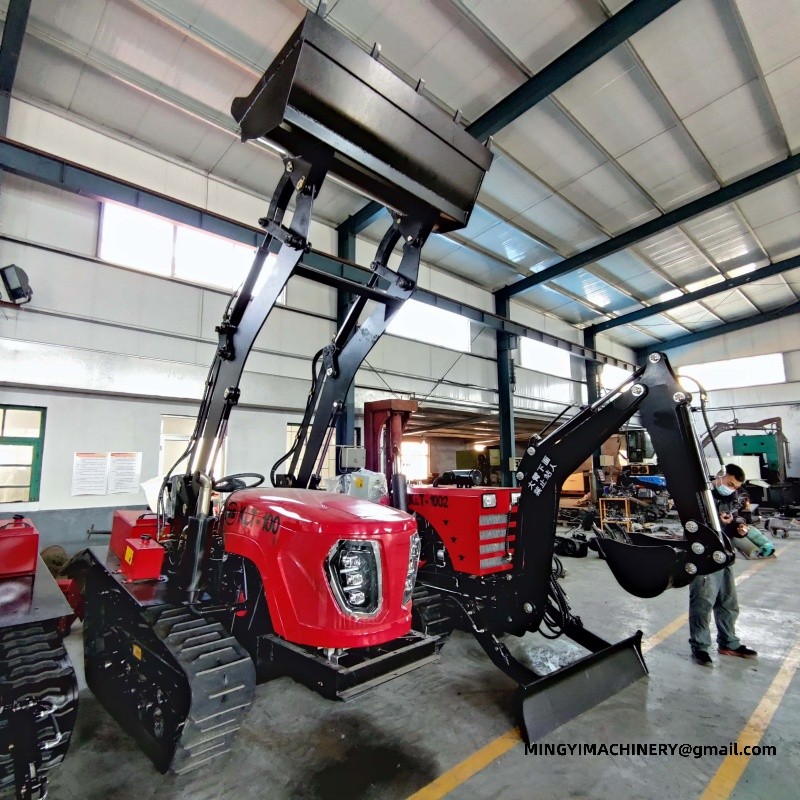
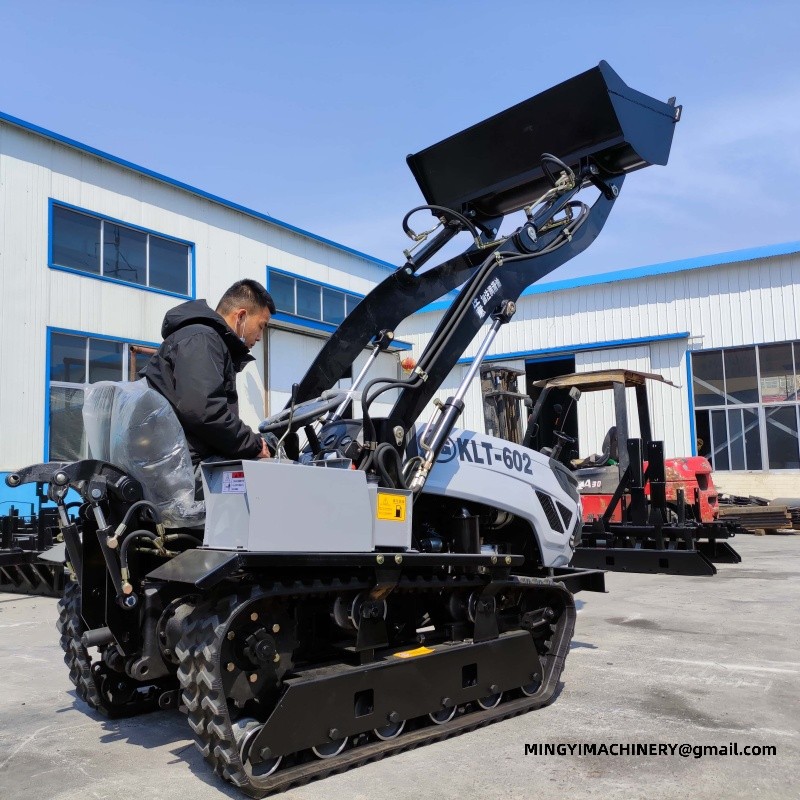
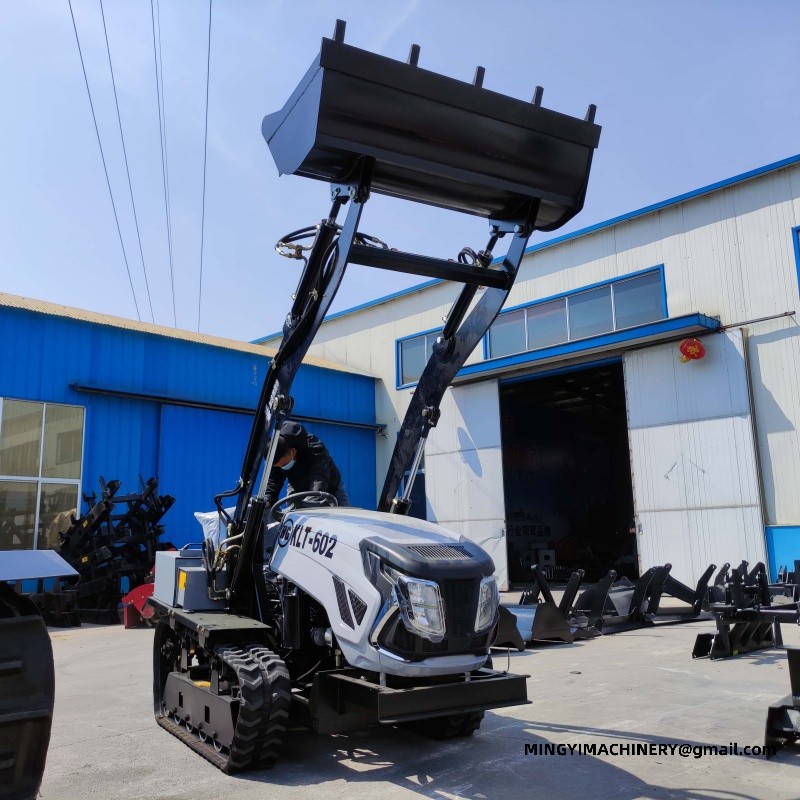
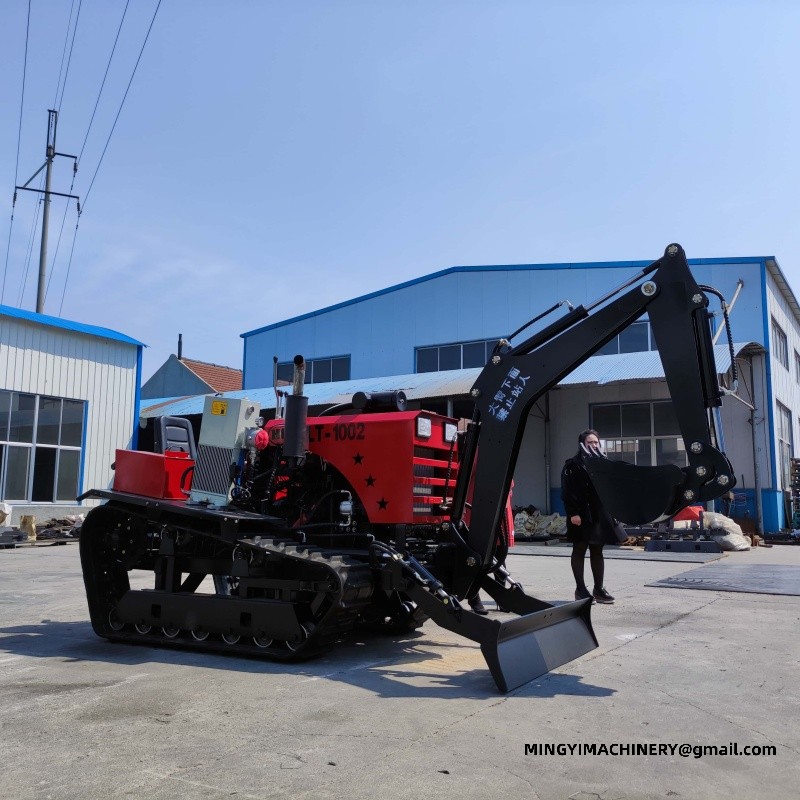
The models below cover the crawler rotary tiller range. Power, working condition, engine series and track width are confirmed together, because the field the machine works in decides the track and the engine before the working width matters.
| Model | Working condition | Track width | Engine series | Induction |
|---|---|---|---|---|
| 130 hp paddy field crawler rotary tiller | paddy field | 350 mm | — | — |
| 80 hp wet and dry field crawler rotary tiller | wet and dry field | — | 495 series | turbocharged |
| 50 hp wet and dry field crawler rotary tiller | wet and dry field | — | 490 series | — |
| 60 hp dry field crawler rotary tiller | dry field | — | 495 series | — |
| 70/75 hp wet and dry field crawler rotary tiller | wet and dry field | — | 490 series | turbocharged |
| 70/75 hp dry field crawler rotary tiller | dry field | — | 490 series | turbocharged |
| 120 hp paddy field crawler rotary tiller | paddy field | 350 mm | — | — |
| 50 hp dry field crawler rotary tiller | dry field | — | 490 series | — |
| Item | Note |
|---|---|
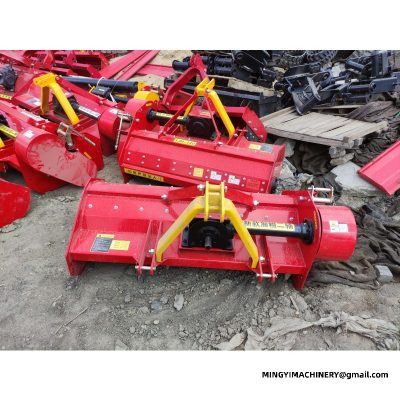
| rotary tiller , 1.8 m working width , 125 gearbox | — |
| 1.5 m straw returning | working width 1.5 m |
| dozer blade | — |
| rotary tiller , 2.0 m working width , 150 gearbox | — |
| simple canopy | — |
| sprayer | — |
| centre trencher | — |
| rotary tiller , 1.3 m working width , 125 gearbox | — |
Cold exposes weak batteries, thick oil and water in the fuel. Preparing this class of machine for winter means the right grade of oil, a battery in good condition and fuel that will not wax in the tank overnight.
The first day with a new machine sets the pattern for the next five years. Handover for a machine of this size covers the control layout, the daily check points and the limits the operator needs to know before the first real load is lifted or carried.
Securing the load is not optional. Lashing the machine itself at the points intended for it, checking the tension before the vehicle moves and rechecking after the first kilometres is standard practice rather than extra care.
Rubber, seals and hoses age whether the machine works or not. Keeping the machine in that duty out of direct sun and off damp ground slows that, and running it briefly at intervals keeps everything moving.
The specification for oil is written for a reason. Using the grade and the change interval set for a machine built for the work keeps the engine and the hydraulic system inside the range they were designed for.
Service history also protects the warranty position. Evidence that the tiller was maintained at the specified intervals and with the specified fluids settles questions that would otherwise be argued.
The calendar decides more than the specification does. Planning when the unit in daily use will be working, when it will be serviced and when it can be spared keeps the maintenance out of the weeks that matter.
A machine should be inspected while it is still on our floor rather than after it lands. For the equipment on site that means the engine is run to temperature, the hydraulics are cycled through full travel, and every function is checked against the build sheet before the crate is closed.
Every line above comes from the build sheet for the machine itself, and the final configuration is confirmed against the working conditions and the destination before production.
E-mail:sales@mingycn.com
LINE(ID):mingyicn