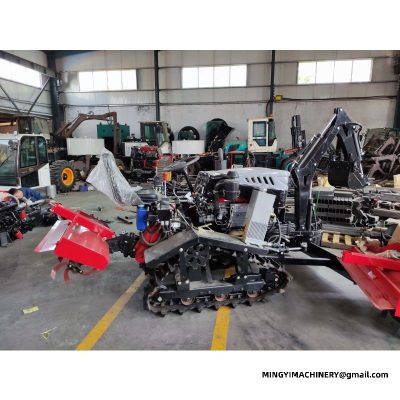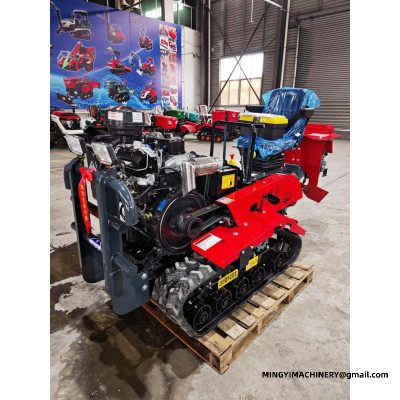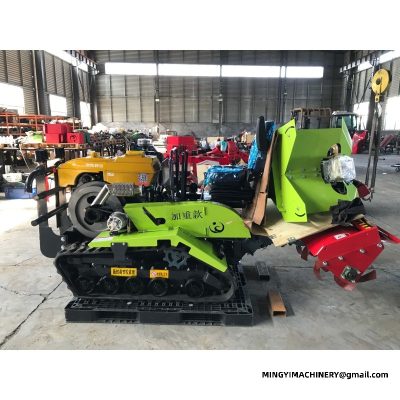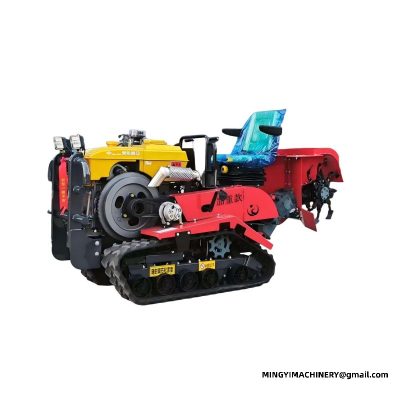
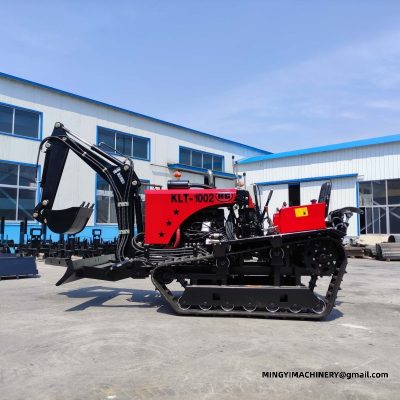
There is a version of the tiller for almost every site, and the differences are practical rather than cosmetic. What follows is organised the way a specification is actually settled: the job first, then the ground, then the machine, then the paperwork.
Certain parts are designed to be consumed. Knowing which items on this class of machine are wearing parts, and roughly how long they last in the duty the machine sees, turns replacement into a plan rather than a breakdown.
Fleet value comes from interchangeability. Operators who can step between machines without retraining, and a workshop that stocks one set of filters, keep utilisation higher than a fleet of individually optimised units. Standardising where possible simplifies everything downstream. When several units of the unit in daily use share a service schedule and a parts list, the fleet becomes easier to plan and easier to sell on at replacement time.
Working after daylight changes the risk. Lighting coverage on the machine of this size and across the working area, plus high-visibility clothing for anyone on foot, are the items that make low-light work practical. Planning helps more than extra lamps. Positioning the equipment on site so that the work is lit from the machine side, and keeping the route clear, does more for safety than adding light to a badly planned task.
Handover should include the documents as well as the keys. Parts list, service schedule and the operator notes for the machine itself are what the workshop needs in month six, and they are much harder to obtain later. A short familiarisation session prevents the early faults. Most first-month problems on the model in question come from unfamiliarity with controls, limits or checks rather than from the machine itself. Keeping the manuals where they can be reached matters. The machine in that duty whose documents stay with the machine gets serviced on schedule; one whose paperwork was filed elsewhere tends to run on memory instead.
Moving the machine is part of owning it. Overall length, width and height decide which trailer or container the unit on the job fits, and a machine that needs a permit or an abnormal load escort is a machine with a delivery delay built in. Shipping dimensions matter as much on export orders as they do locally. Confirming the packed size of a machine built for the work before booking avoids re-booking freight after the machine is built.
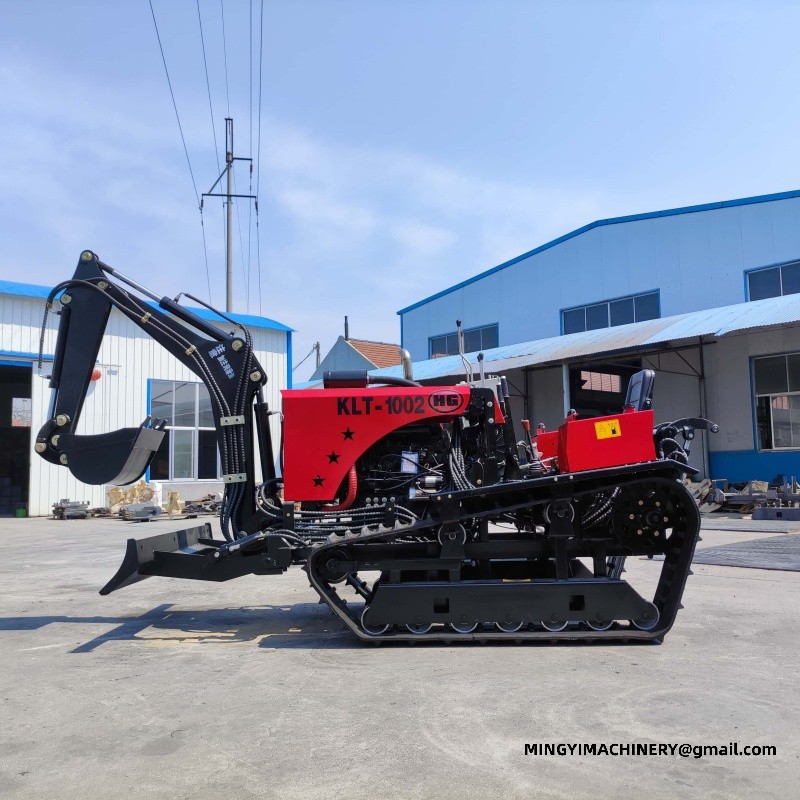
Commissioning is the point where most avoidable issues are found. Checking levels, fasteners and function on the equipment in service before it goes to work takes an hour and prevents a claim conversation later. Early faults are usually simple. The tiller that behaves differently in its first few hours is more often mis-set than defective, and a call to the supplier at that point usually resolves it the same day.
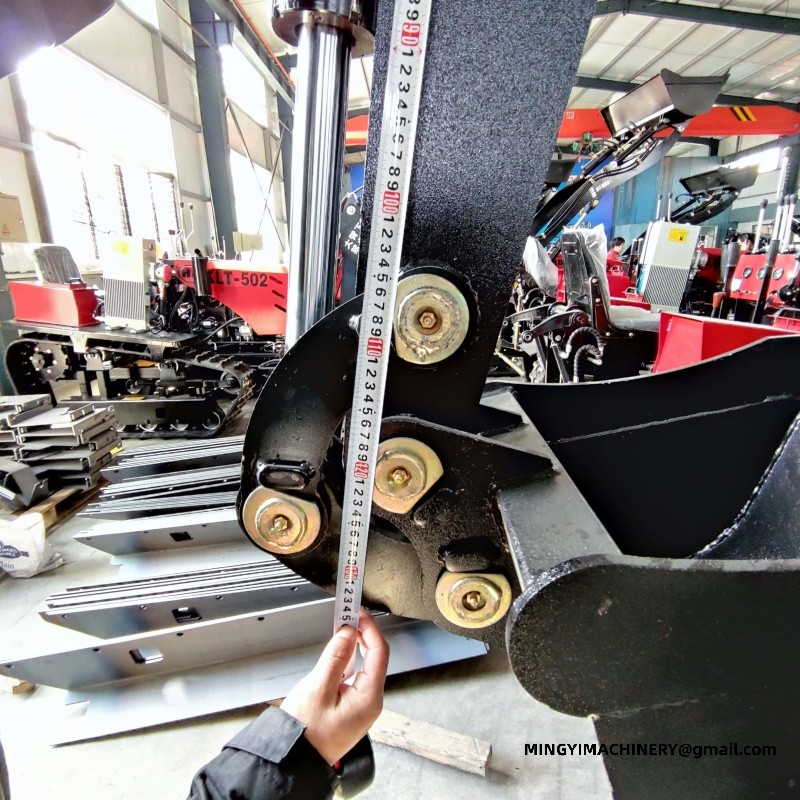
Matching the engine to the duty matters more than the peak rating. This class of machine that spends its day at part load benefits from a different setup than one that works at full output, and the difference shows in fuel use over a season.
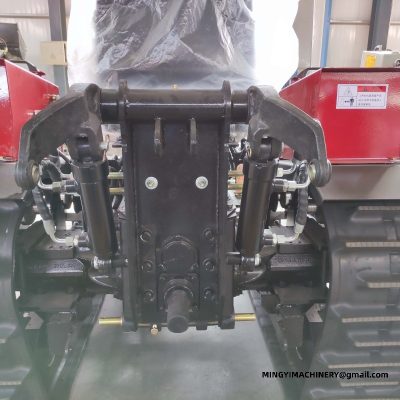
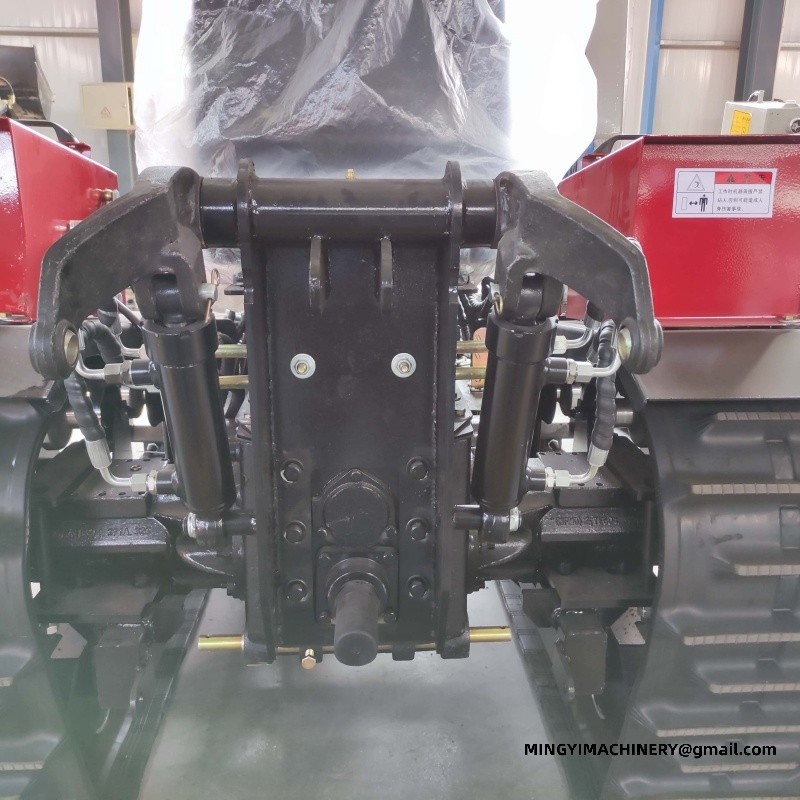
The implement is driven from the rear PTO, so the gearbox rating matters. Matching the gearbox of a machine of this size to the widest implement the farm will run avoids a machine that is fine on a tiller and short on a trencher. Implement width should follow the power. The unit in daily use with an implement wider than it can drive will labour, burn more fuel and leave an uneven tilth, and the correct width is the one that holds a steady engine speed.
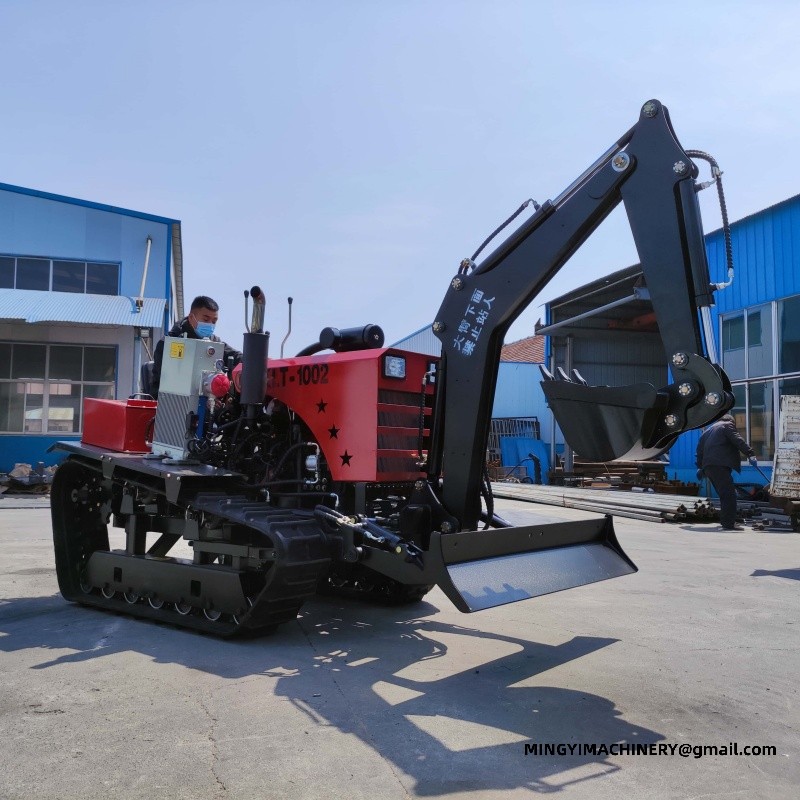
Build options are where a standard machine becomes the right machine. Colour, guarding, lighting, seating and hydraulic provisions can usually be set at build time on the machine itself, and are far simpler then than as a retrofit.
The base machine is only as useful as the tool on the end of it. Matching the attachment to the task - rather than to what arrived with the machine - is what lets one the machine in that duty cover several jobs across a week. Attachment decisions are best made before delivery. Specifying hydraulics and couplers at build time is simpler than adding them later, and it avoids the downtime of a workshop visit in the first month.
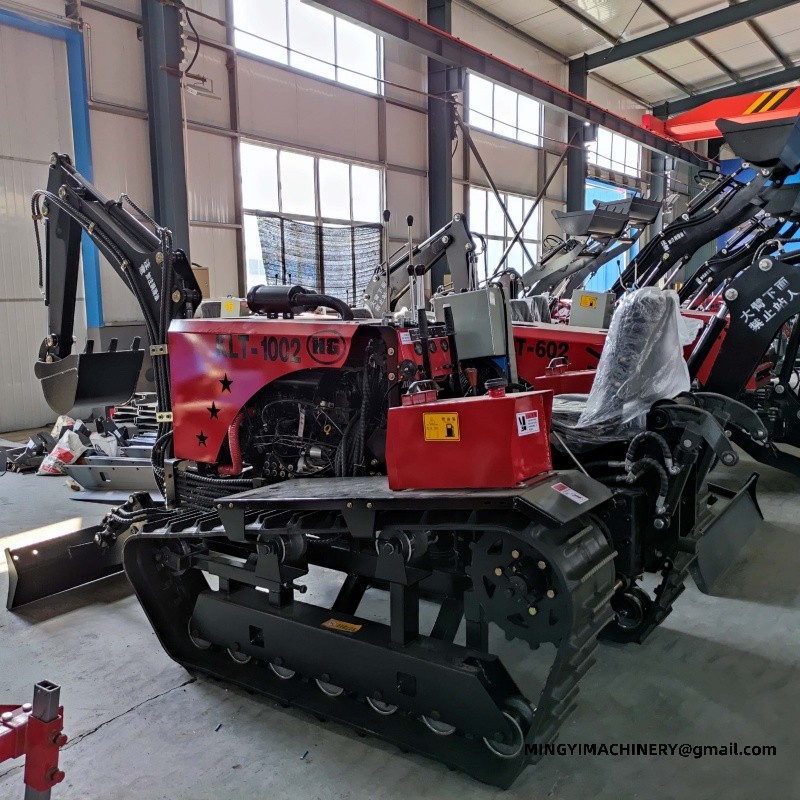
Buyers who specify the equipment in service on paper before enquiring get specifications that can be compared. Without that list, two suppliers will propose two different machines and the simpler one is usually the smaller one, not the better value. A written duty list is the simplest part of the purchase. It takes an hour to note the material, the distance, the gradient and the hours per week, and it is what turns a machine built for the work enquiry into a machine that fits.
Before-storage preparation prevents most return-to-work faults. Draining or treating fuel, protecting exposed rods and relieving pressure where the maker specifies it are the items worth an hour when this class of machine is parked. A periodic start is better than none. Running the unit in daily use to operating temperature during a long layoff keeps seals and the charging system in better condition than leaving it untouched until the next job.
Slopes and edges deserve a separate check. The equipment on site that is stable on level ground behaves differently across a gradient, and the safe working angle is a number worth knowing rather than estimating. Personal protective equipment and a stop rule are simple controls. Agreeing before work starts that anyone can stop the job is the single measure that most often prevents a serious incident near the machine itself.
Cold changes how a machine starts and how it warms up. Allowing the machine in that duty to reach operating temperature before loading it, and using the correct grade of oil and fuel for the season, prevents most cold-start problems.
Paddy work changes the specification. A machine built for the work intended for flooded ground needs sealed hubs, a higher air intake and flotation that keeps it on the surface, and those are build items rather than things to add later.
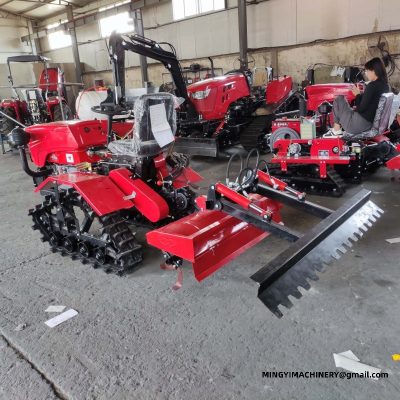
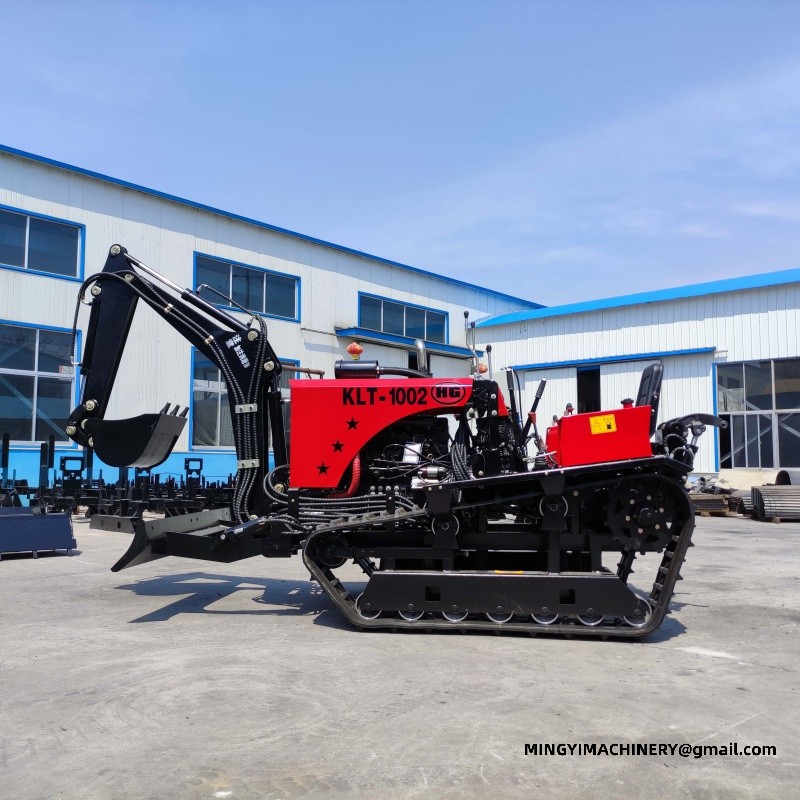
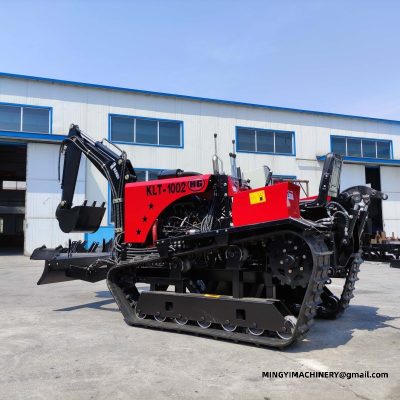
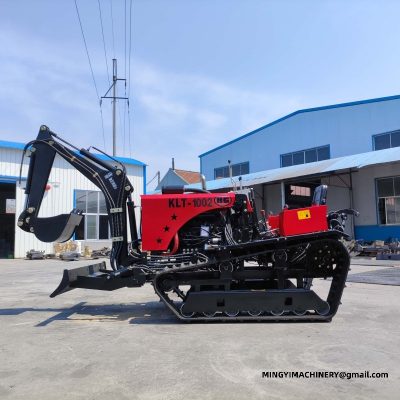
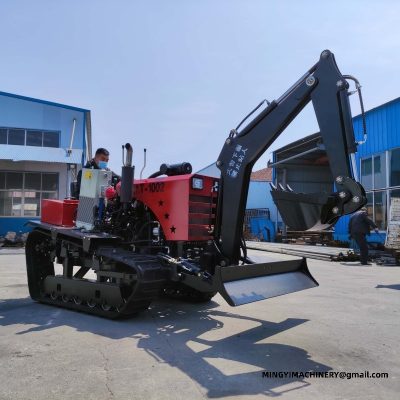
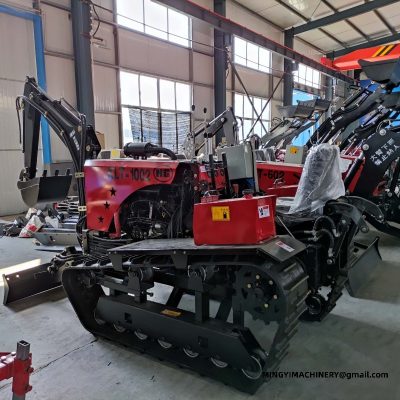
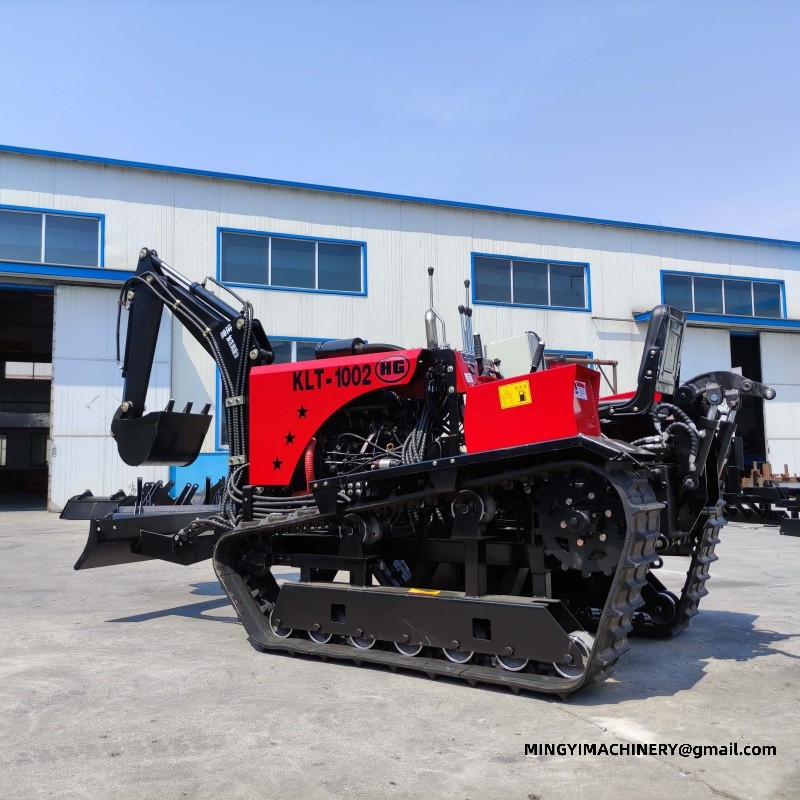
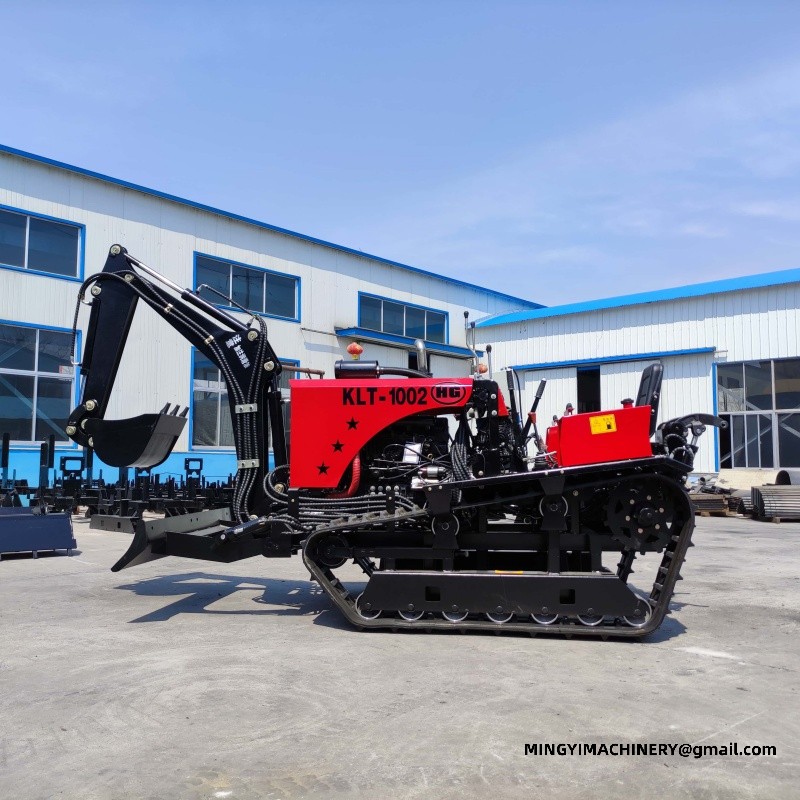
The models below cover the crawler rotary tiller range. Power, working condition, engine series and track width are confirmed together, because the field the machine works in decides the track and the engine before the working width matters.
| Model | Working condition | Track width | Engine series | Induction |
|---|---|---|---|---|
| 130 hp paddy field crawler rotary tiller | paddy field | 350 mm | — | — |
| 50 hp wet and dry field crawler rotary tiller | wet and dry field | — | 490 series | — |
| 70/75 hp dry field crawler rotary tiller | dry field | — | 490 series | turbocharged |
| 120 hp paddy field crawler rotary tiller | paddy field | 350 mm | — | — |
| 60 hp dry field crawler rotary tiller | dry field | — | 495 series | — |
| 80 hp wet and dry field crawler rotary tiller | wet and dry field | — | 495 series | turbocharged |
| 60 hp wet and dry field crawler rotary tiller | wet and dry field | — | 495 series | — |
| 70/75 hp wet and dry field crawler rotary tiller | wet and dry field | — | 490 series | turbocharged |
| Item | Note |
|---|---|
| 1.5 m straw returning | working width 1.5 m |
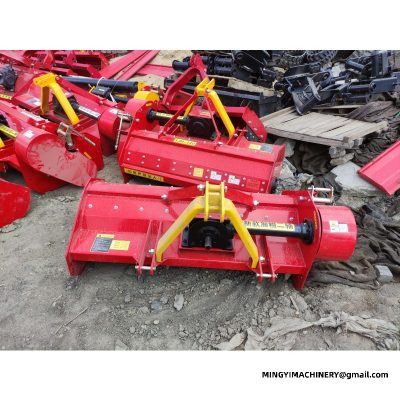
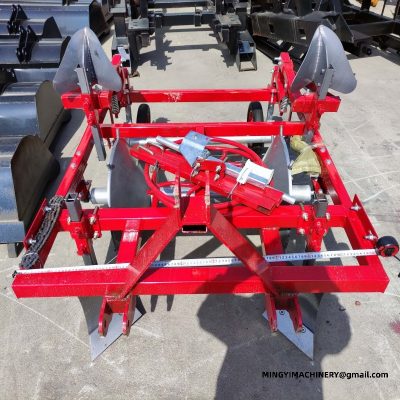
| rotary tiller , 1.6 m working width , 125 gearbox | — |
| 1.6 m rotary tillageridgingcombined machine | working width 1.6 m |
| rotary tiller , 1.3 m working width , 125 gearbox | — |
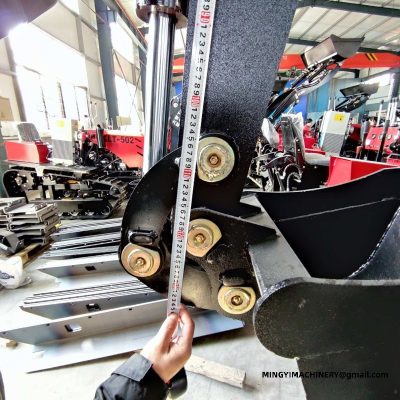
| engineering bucket | — |
| rotary tiller , 1.7 m working width , 125 gearbox | — |
| rotary tiller , 2.2 m working width , 180 gearbox | — |
| 1.3 m straw returning | working width 1.3 m |
The calendar decides more than the specification does. Planning when the unit in daily use will be working, when it will be serviced and when it can be spared keeps the maintenance out of the weeks that matter.
Humidity attacks the parts that are not used. Storage in a damp climate means the equipment on site needs the exposed metal protected and the machine run regularly, because standing still does more damage than working.
The record should follow the machine, not the owner. When the model in question changes hands the service history travels with it, and a complete folder is often the difference between a quick sale and a long one.
Loading is where most damage happens. Ramps, angle of approach and the condition of the ground under them matter more than the machine when the unit on the job is being loaded, and a careful driver is worth more than a fast one.
Winter is hard on rubber and on seals as much as on the engine. Parking the equipment in service under cover, keeping the tracks or tyres off standing water and checking the hoses for cracking are all part of the season.
Most additions are easier to plan than to add. Hydraulic services, mounting brackets and electrical capacity on this class of machine are build items, and deciding them at the specification stage is far easier than doing it later.
Rubber, seals and hoses age whether the machine works or not. Keeping a machine of this size out of direct sun and off damp ground slows that, and running it briefly at intervals keeps everything moving.
Every line above comes from the build sheet for the equipment on site, and the final configuration is confirmed against the working conditions and the destination before production.
E-mail:sales@mingycn.com
LINE(ID):mingyicn