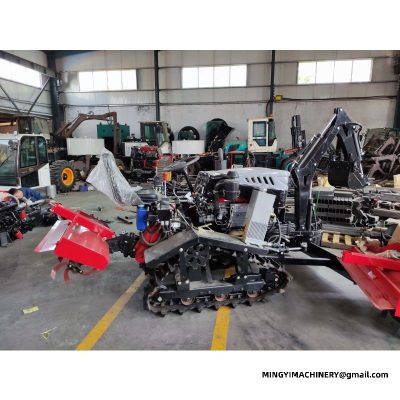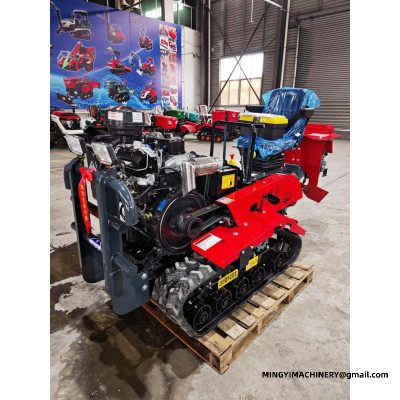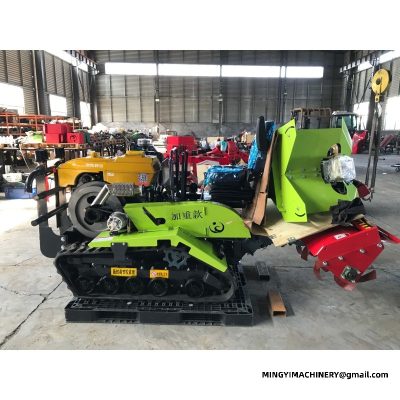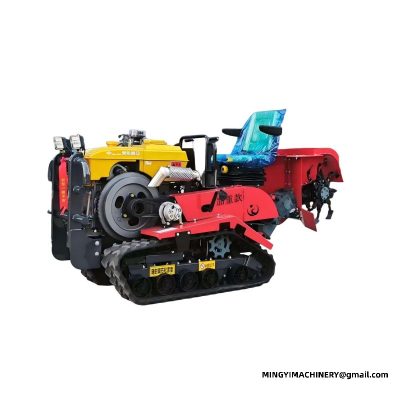
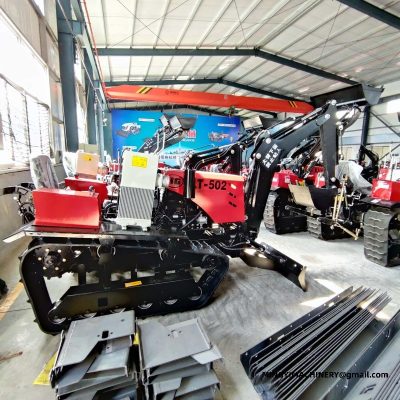
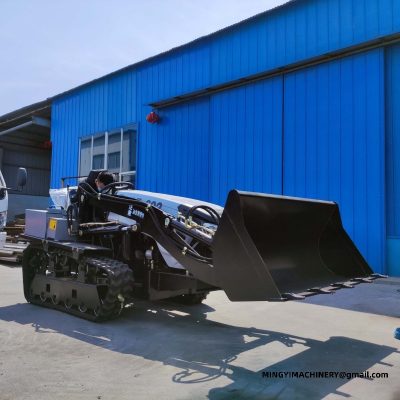
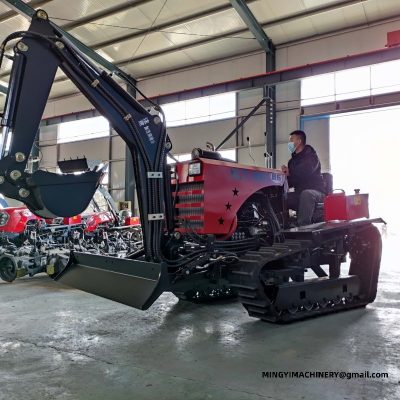
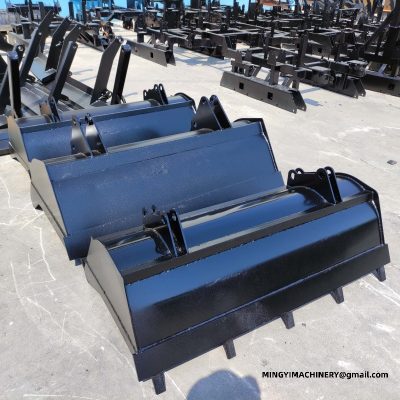
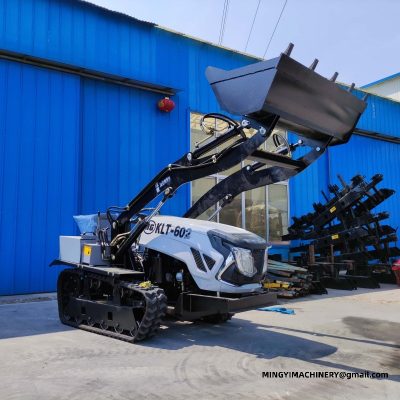
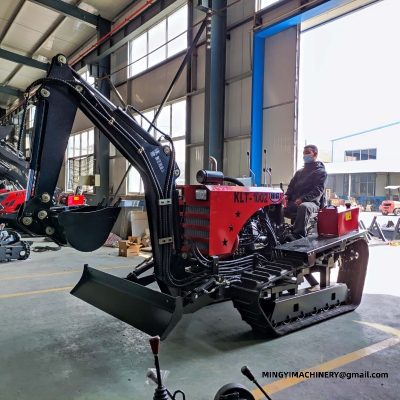
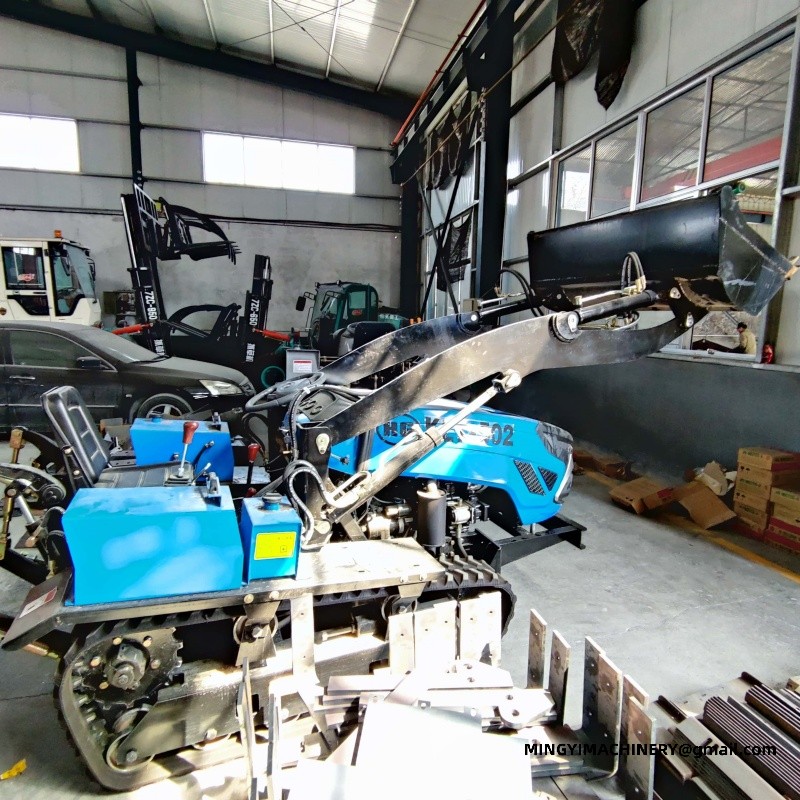
Every the tiller leaves the shop configured for a particular buyer. This page explains the choices that configuration involves, covering frame, power, running gear, cab and attachments, and what each one means once the machine is on site.
Machine output varies more between operators than between brands. Smooth, planned movements put less load on the structure and use less fuel, and that difference is visible on the hour meter and in the service bills for this class of machine. Familiarisation should cover the limits as well as the controls. Knowing where the unit in daily use loses stability, how it behaves at full reach, and what the warning lights mean prevents the incidents that are put down to bad luck. A short handover pays for itself. Operators who understand why a machine of this size is set up the way it is will report a change in behaviour early, which is usually the point where a repair is simplest.
Depth is set by the gauge and by the ground, not by the lever alone. The equipment on site that is set too deep loads the engine and the gearbox without improving the seedbed, and the extra depth is usually wasted effort. An even tilth is the point of the pass. Depth that varies across the width of the machine itself gives a seedbed that germinates unevenly, and the cause is usually a worn blade set rather than the setting. Second passes effort time and fuel. Getting the depth and speed right on the first pass with the model in question is the simplest improvement available, and it is mostly a matter of operator habit.
Standing still is hard on machinery. The machine in that duty left for weeks benefits from a clean, dry, covered space, a charged battery and a fuel system prepared for the layoff, and all three effort very little.
Standing water hides the ground underneath. Working the unit on the job in a paddy means accepting slower progress and planning the turns, because the places where the machine sinks are the places where the soil has already been disturbed.
Ground decides more of the outcome than power does. Soft, wet or loose surfaces call for a wider footprint and lower ground pressure, while hard standing allows a narrower machine that turns in less space and travels faster between tasks. The working surface should be surveyed before a machine built for the work is specified. A machine that is stable on compacted gravel can be unusable on the same site after rain, and the difference shows up as lost days rather than as a fault.
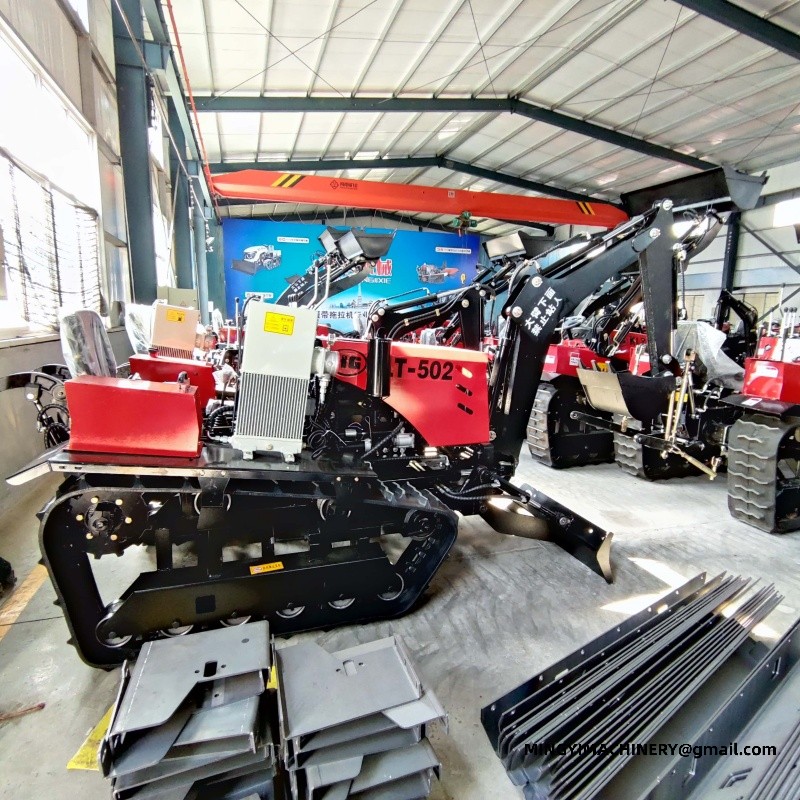
Row work is about width and clearance. The equipment in service used between vines or under orchard trees has to fit the row, and the working width and overall height are specified from the planting rather than from the field size. Turning room at the headland matters in short rows. The tiller that turns inside its own length covers more of a small plot per hour than a larger machine that has to reverse out of every row. Row crop work also means working around obstacles. Guards, lighting and a clear view from the seat are what let this class of machine work close to trunks and posts without damage to either.
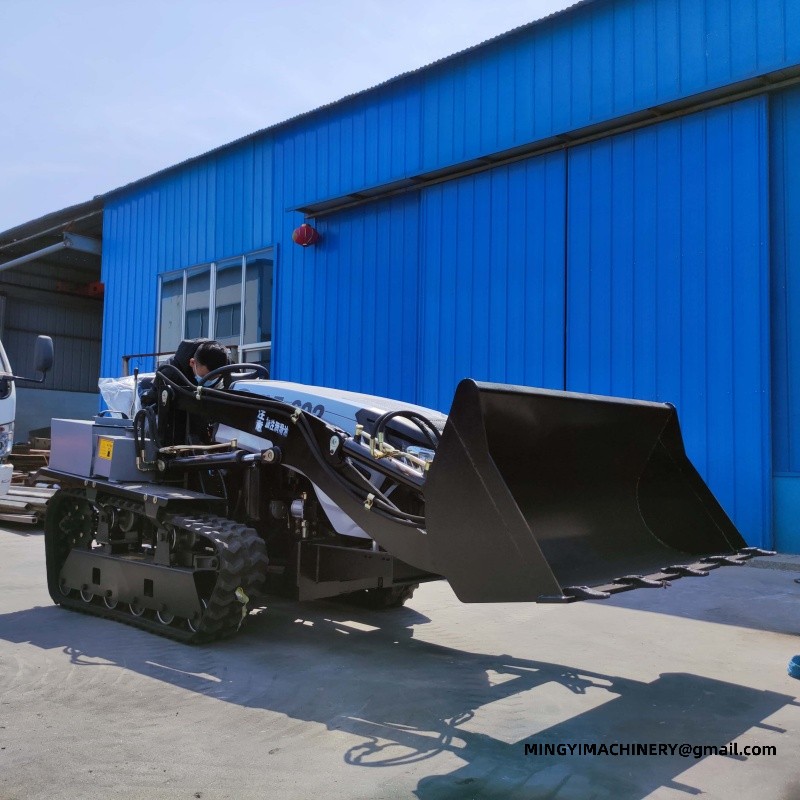
Cold changes how a machine starts and how it warms up. Allowing the unit in daily use to reach operating temperature before loading it, and using the correct grade of oil and fuel for the season, prevents most cold-start problems. Low temperatures also make materials behave differently. Ground that is frozen hard in the morning can be soft by midday, and planning the sequence around that is easier than fighting it with a machine of this size.
Working after daylight changes the risk. Lighting coverage on the equipment on site and across the working area, plus high-visibility clothing for anyone on foot, are the items that make low-light work practical.
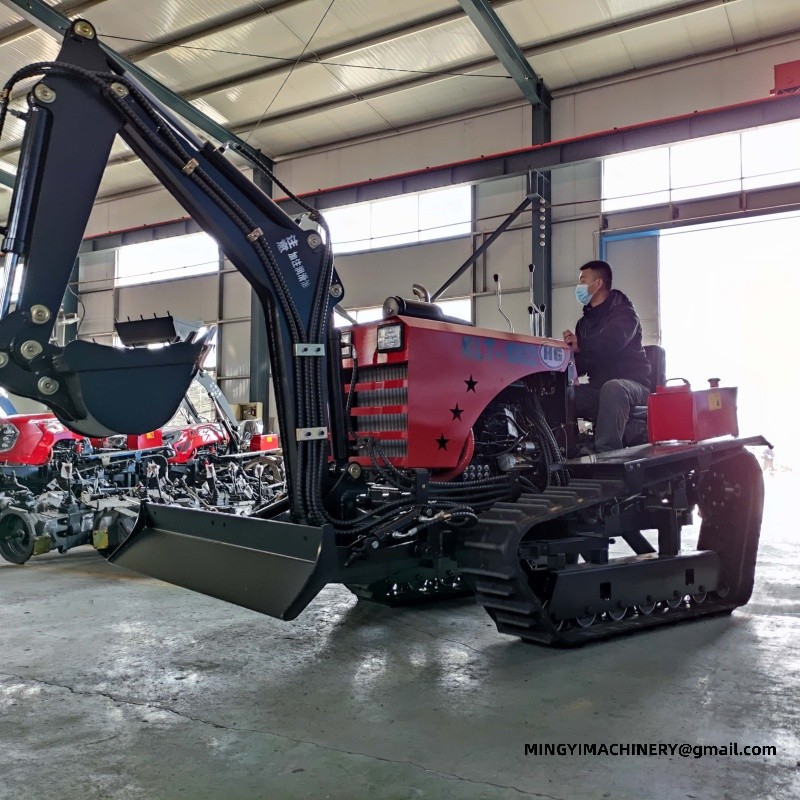
Planning the work to reduce empty movement is free. Fewer repositioning cycles on the model in question means less fuel, less wear on the undercarriage or tyres and more of the shift spent on productive work.
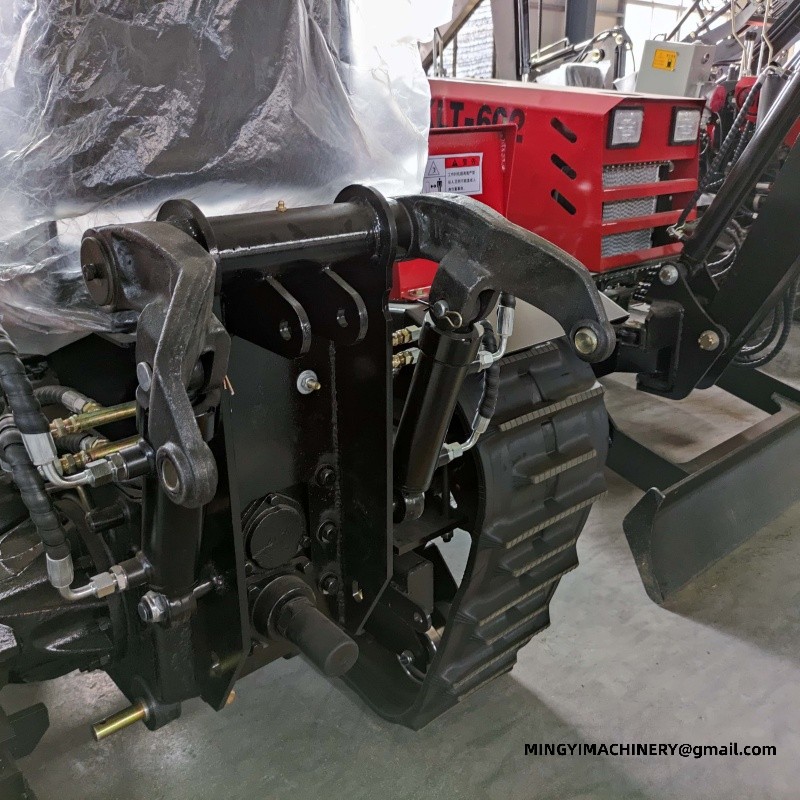
The implement is driven from the rear PTO, so the gearbox rating matters. Matching the gearbox of the unit on the job to the widest implement the farm will run avoids a machine that is fine on a tiller and short on a trencher. Changing implements is routine work. Quick hitch geometry, PTO guard condition and the hydraulic services on a machine built for the work decide how long a change takes, and that time is what a contractor loses money on.
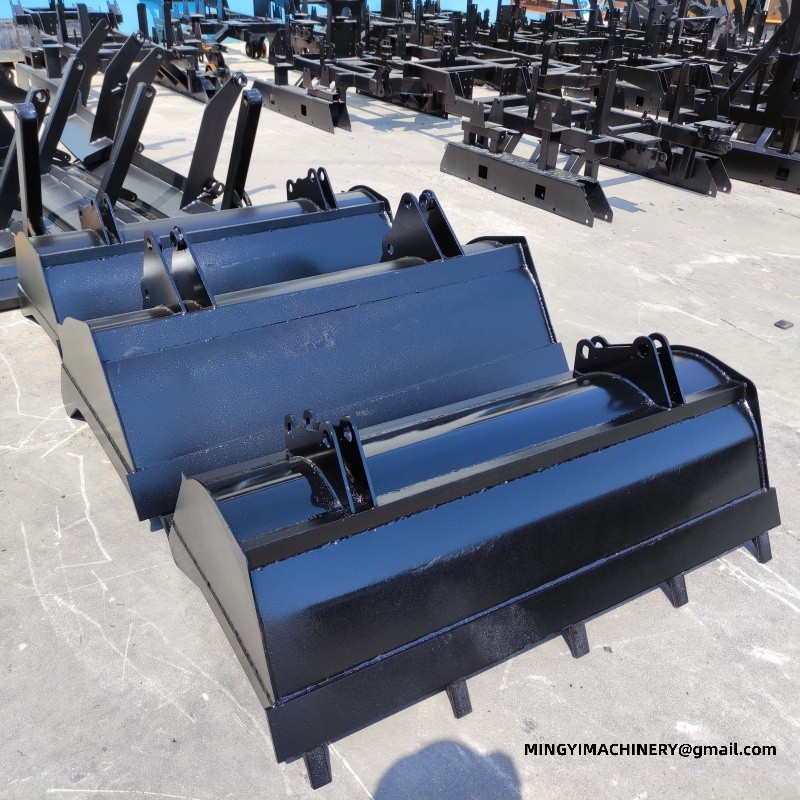
Keeping the manuals where they can be reached matters. The tiller whose documents stay with the machine gets serviced on schedule; one whose paperwork was filed elsewhere tends to run on memory instead.
Replacing wear items early is usually simpler. Worn components on the unit in daily use load the parts they run against, so a worn part left too long often becomes a major repair.
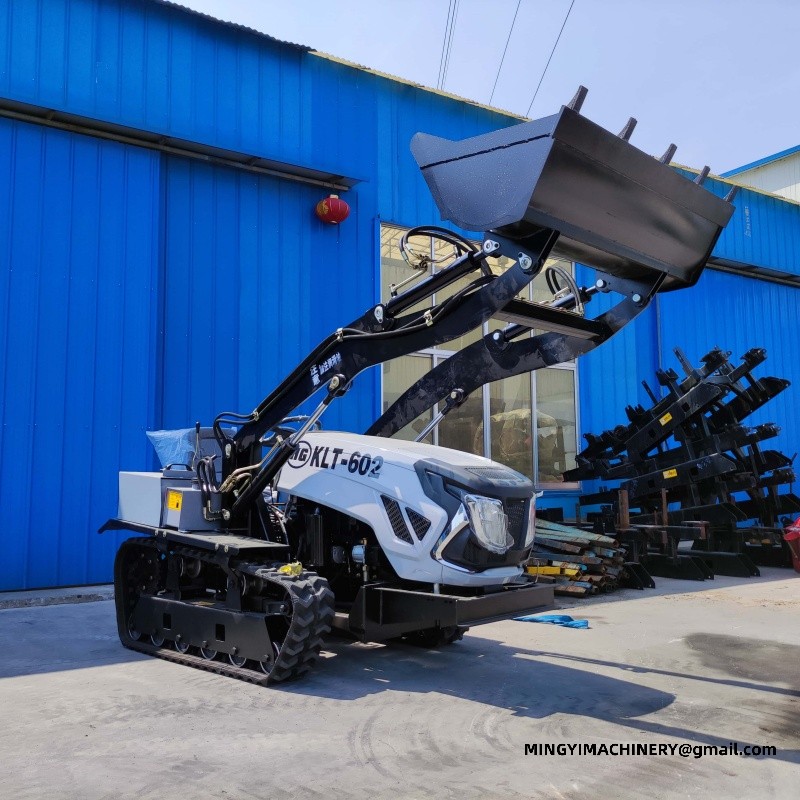
Machine productivity depends on what happens around it. Deliveries, other trades and the sequence of work decide how much of the shift the equipment on site spends actually working rather than waiting. Access and storage are worth settling early. Where the machine itself will be parked, refuelled and serviced on site affects the working day more than most specification details, and it takes nothing to plan.
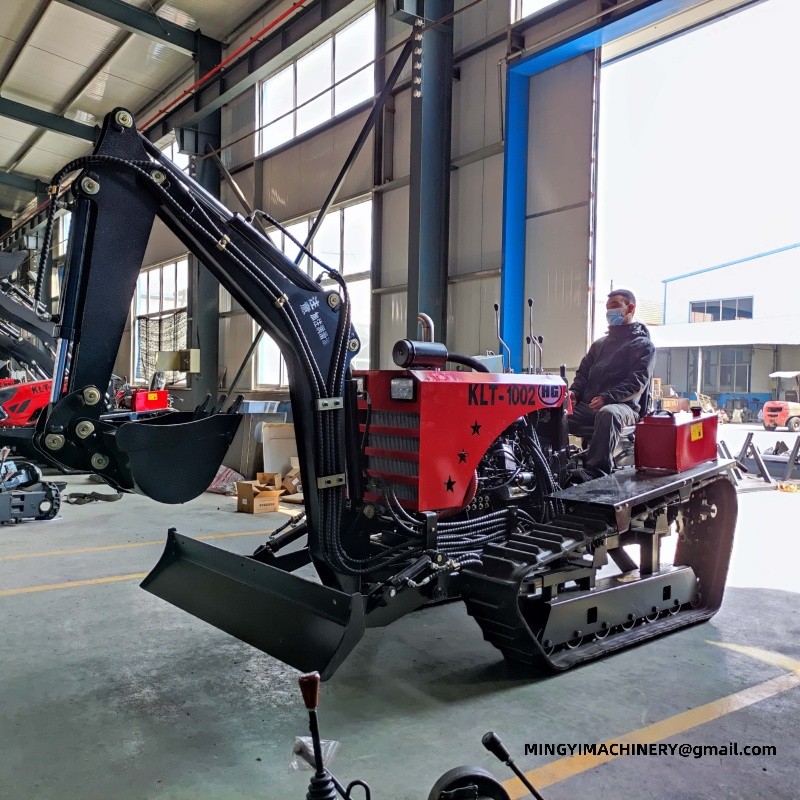
Container loading is a planning exercise. Confirming how the machine in that duty is packed and how many units fit a container is what turns a per-unit freight estimate into a delivered figure the buyer can actually plan against.
Most failures start as something small that a walk-around would have caught. Fluid levels, belt tension, tyre or track condition and any fresh leak are the items worth two minutes at the start of each shift on a machine built for the work.
Abrasive conditions shorten service intervals. Air filters, seals and any exposed sliding surface on the tiller need attention more often in dusty or muddy work, and the extra checks prevent far more wear than the time they take.
Delivery planning includes the receiving end. Knowing whether the unit in daily use will be craned, driven or forked off, and whether the site can accept it, is settled before dispatch rather than on the day.
Reconfiguration can extend the useful life of a machine. The equipment on site that no longer suits the current work may suit it again with a different attachment, guarding or control arrangement. Upgrades should be checked against the base machine. Hydraulic capacity, mounting interface and stability all limit what can reasonably be added to the machine itself, and confirming those limits avoids an unsatisfactory result. The decision is economic as well as technical. Comparing the work of reconfiguring the model in question against a different machine is a short calculation that usually gives a clear answer.
Commissioning is the point where most avoidable issues are found. Checking levels, fasteners and function on the machine in that duty before it goes to work takes an hour and prevents a claim conversation later. Warranty terms are clearer when they are read before purchase. Knowing what is covered, what counts as a wearing item and what documentation is required makes a claim on the unit on the job straightforward rather than contested.
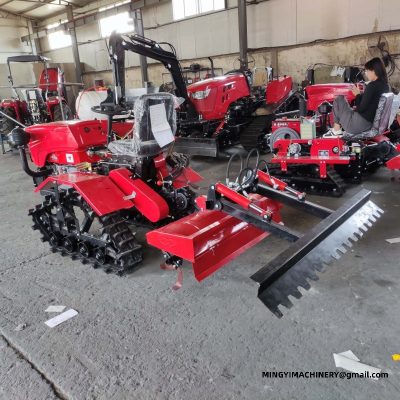
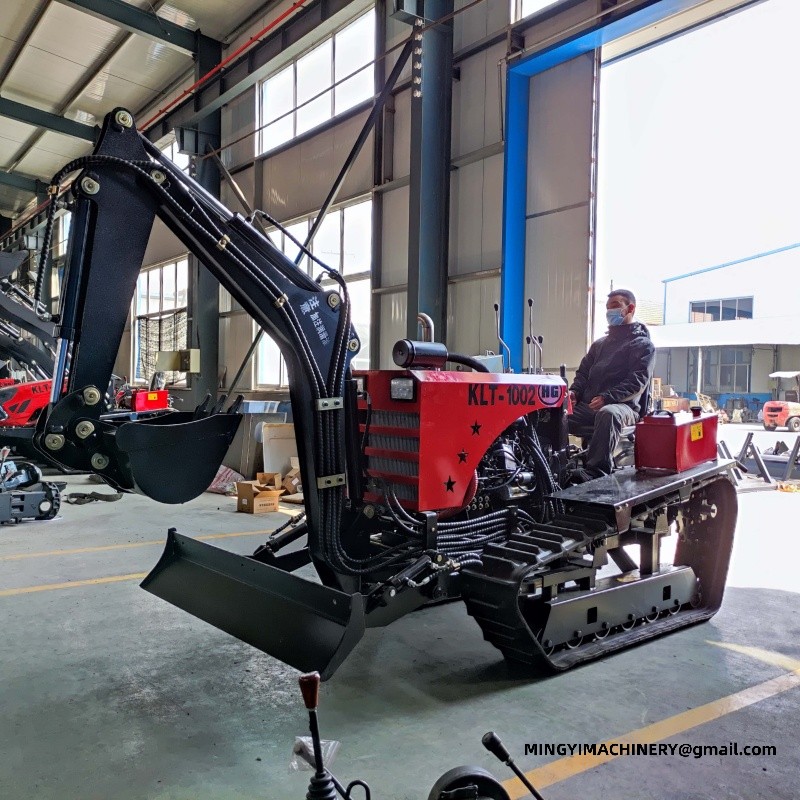
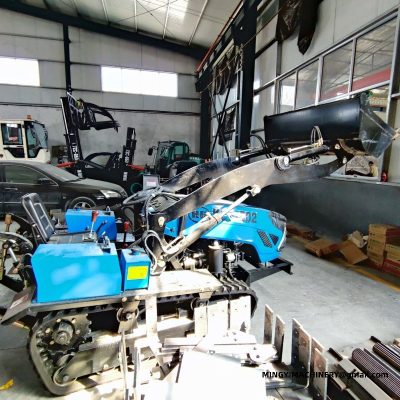
The models below cover the crawler rotary tiller range. Power, working condition, engine series and track width are confirmed together, because the field the machine works in decides the track and the engine before the working width matters.
| Model | Working condition | Engine series | Induction | Track width |
|---|---|---|---|---|
| 70/75 hp wet and dry field crawler rotary tiller | wet and dry field | 490 series | turbocharged | — |
| 70/75 hp dry field crawler rotary tiller | dry field | 490 series | turbocharged | — |
| 120 hp paddy field crawler rotary tiller | paddy field | — | — | 350 mm |
| 80 hp wet and dry field crawler rotary tiller | wet and dry field | 495 series | turbocharged | — |
| 100 hp wet and dry field crawler rotary tiller | wet and dry field | — | — | 350 mm |
| 50 hp wet and dry field crawler rotary tiller | wet and dry field | 490 series | — | — |
| 60 hp wet and dry field crawler rotary tiller | wet and dry field | 495 series | — | — |
| 60 hp dry field crawler rotary tiller | dry field | 495 series | — | — |
| Item | Note |
|---|---|
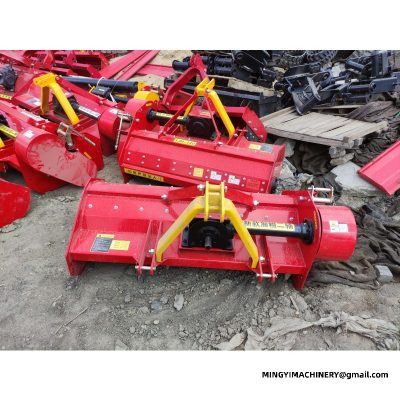
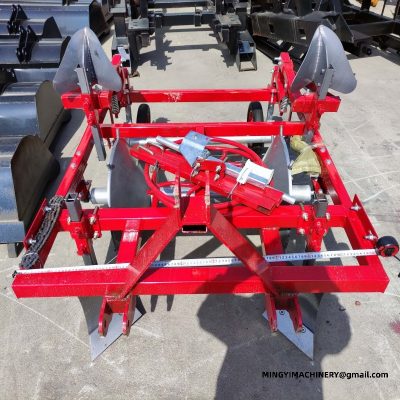
| rotary tiller , 1.3 m working width , 125 gearbox | — |
| 1.6 m rotary tillageridgingcombined machine | working width 1.6 m |
| 1.3 m straw returning | working width 1.3 m |
| simple canopy | — |
| dozer blade | — |
| rotary tiller , 2.2 m working width , 150 gearbox | — |
| sprayer | — |
| rotary tiller , 1.8 m working width , 125 gearbox | — |
Temperature and pressure are the two things worth watching. This class of machine that runs hotter than it used to, or whose pressure has drifted, is reporting a problem that is still simple to fix.
Retrofitting is limited by the base machine. Before anything is added to a machine of this size the hydraulic flow, the mounting interface and the stability allowance have to be checked, because those limits are what decide what is sensible.
Inspection is a list, not a glance. Before the machine itself is released the fluid levels, belt tension, electrical connections and safety decals are each ticked off, and anything that fails stays in the shop rather than travelling with the machine.
Starting is only the first problem. Until the machine in that duty reaches working temperature the hydraulic response is slower and the seals are stiffer, and warming the machine before asking for full output avoids unnecessary strain.
A spares list should follow the duty cycle. A machine built for the work working every day in abrasive dust consumes filters and cutting edges far faster than the same machine used once a week, and the shelf should be stocked for the harder case.
The paperwork matters as much as the packing. Serial numbers, dimensions and weights recorded for the tiller at loading are the same figures the destination needs, and a mismatch here loses more days than the voyage itself.
Travel time is not working time, and it should be planned as its own item. The hours spent moving the unit in daily use between jobs are hours not worked, and a trailer that matches the machine reduces them every single trip.
Every line above comes from the build sheet for a machine of this size, and the final configuration is confirmed against the working conditions and the destination before production.
E-mail:sales@mingycn.com
LINE(ID):mingyicn