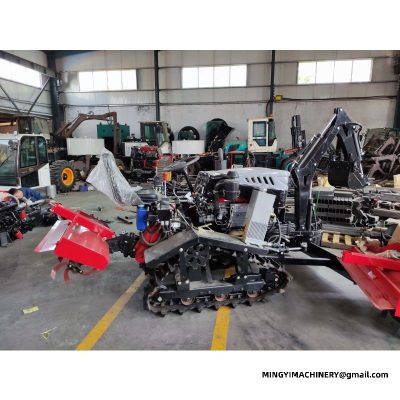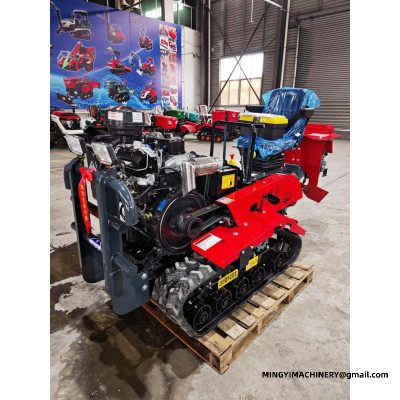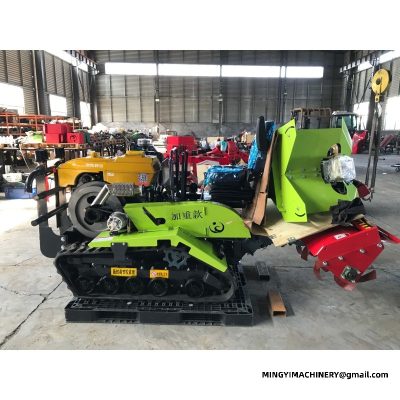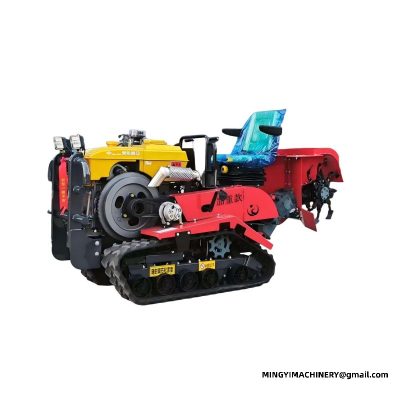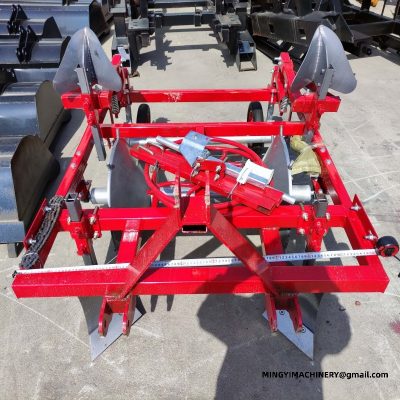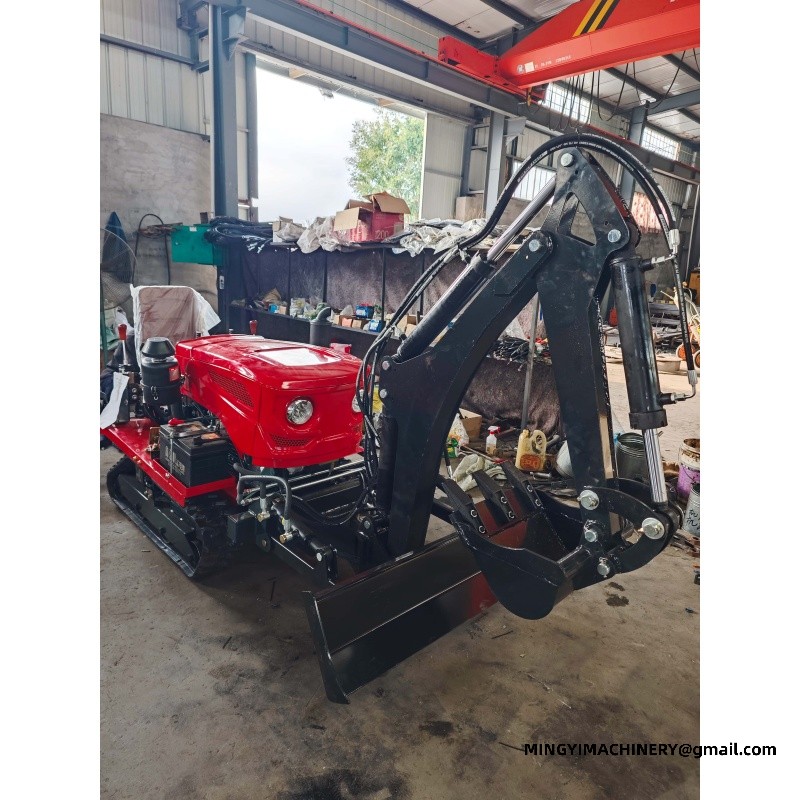
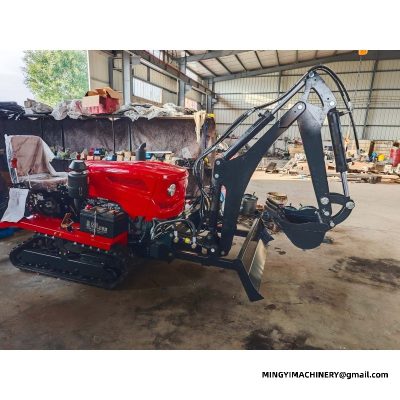
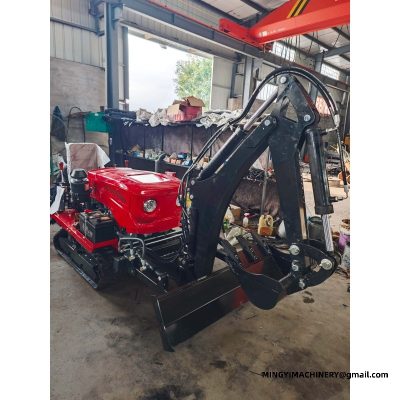
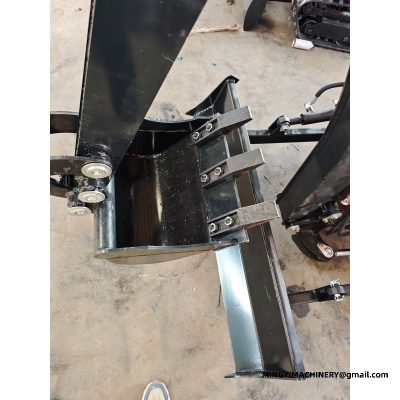
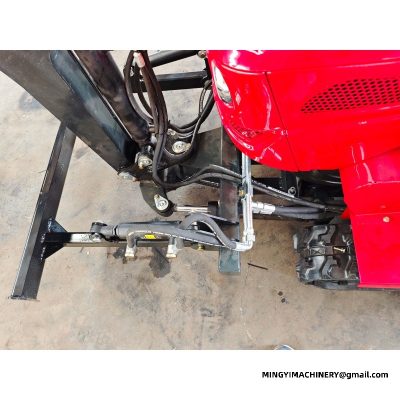
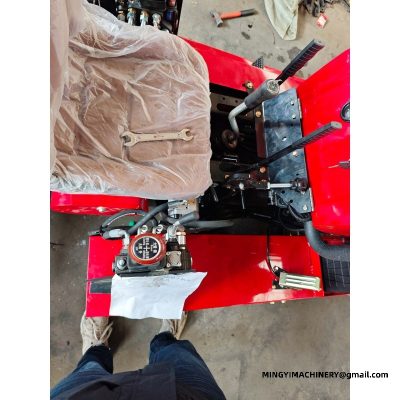
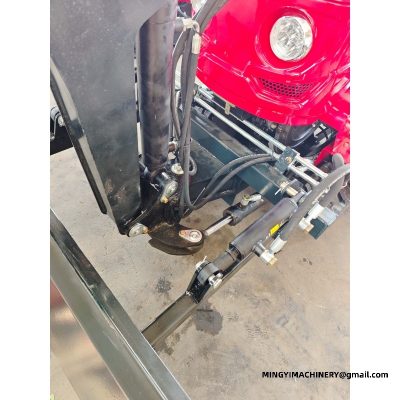
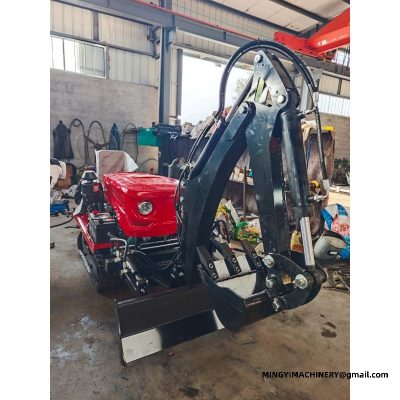
Several forms of the tiller appear in this range, and the right one depends on the ground more than on the brochure. Below, the practical differences are set out alongside the figures so the two can be read together.
Export orders add steps that domestic buyers never see. Packed dimensions, securing points, documentation and any dismantling required are all settled before this class of machine leaves the factory, and each one affects the freight booking. Container loading is a planning exercise. Confirming how the unit in daily use is packed and how many units fit a container is what turns a per-unit freight estimate into a delivered figure the buyer can actually plan against.
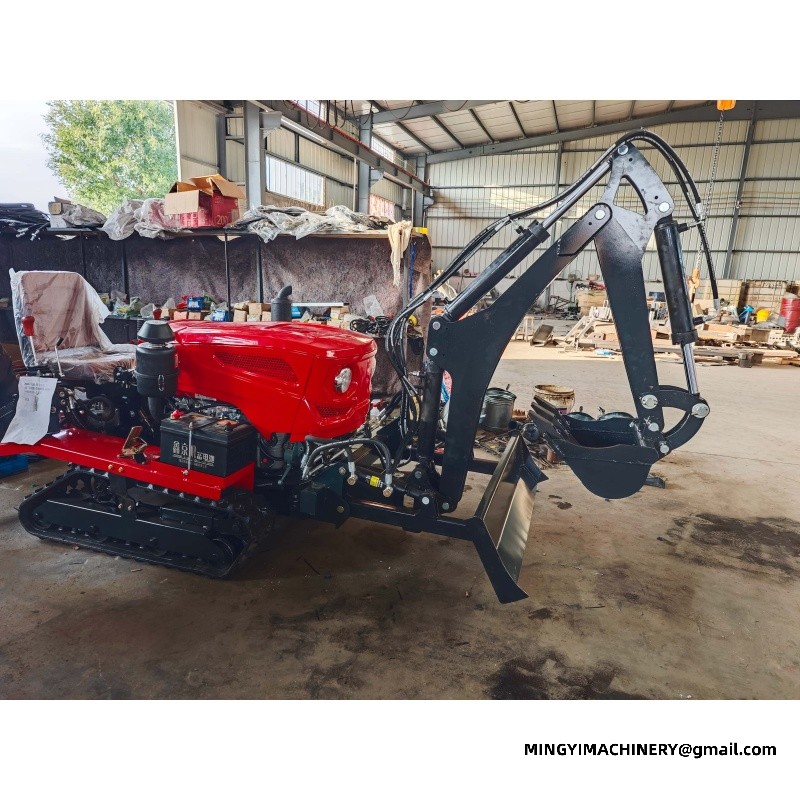
Fuel is usually the largest controllable running demand. Operating style, correct tyre or track condition and a clean air supply all move consumption on a machine of this size by more than most buyers expect.
Certain parts are designed to be consumed. Knowing which items on the equipment on site are wearing parts, and roughly how long they last in the duty the machine sees, turns replacement into a plan rather than a breakdown. Wear rate follows conditions far more than hours. The machine itself working on abrasive ground or in mud will consume undercarriage or tyre life much faster than the same machine on clean ground.
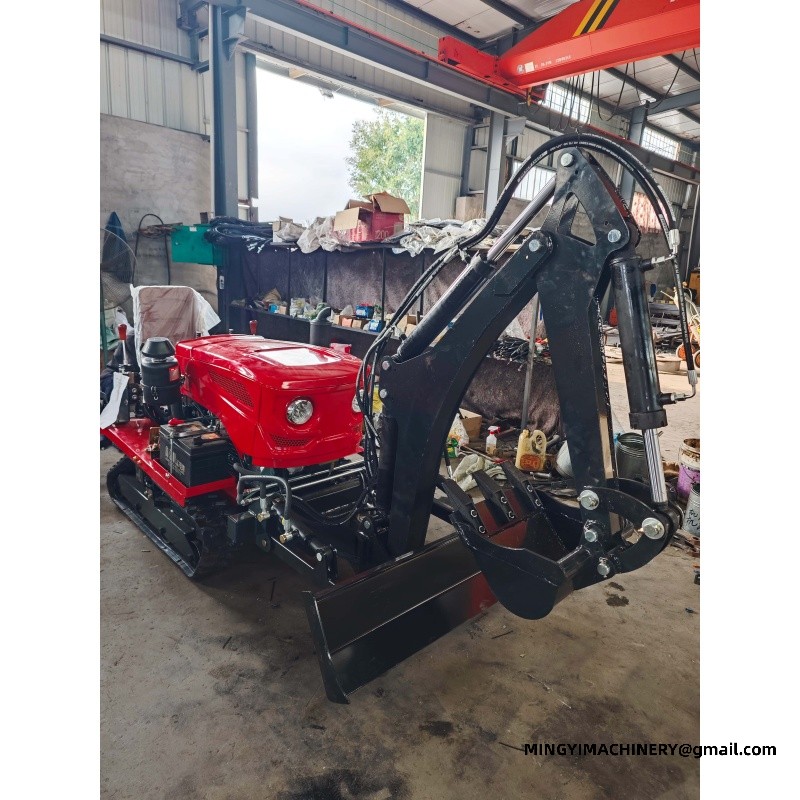
A short handover pays for itself. Operators who understand why the model in question is set up the way it is will report a change in behaviour early, which is usually the point where a repair is simplest.
Parts availability usually decides the engine and the brand. A machine built around components the local network already carries is serviced from stock, which is the difference between a day lost and a week lost.
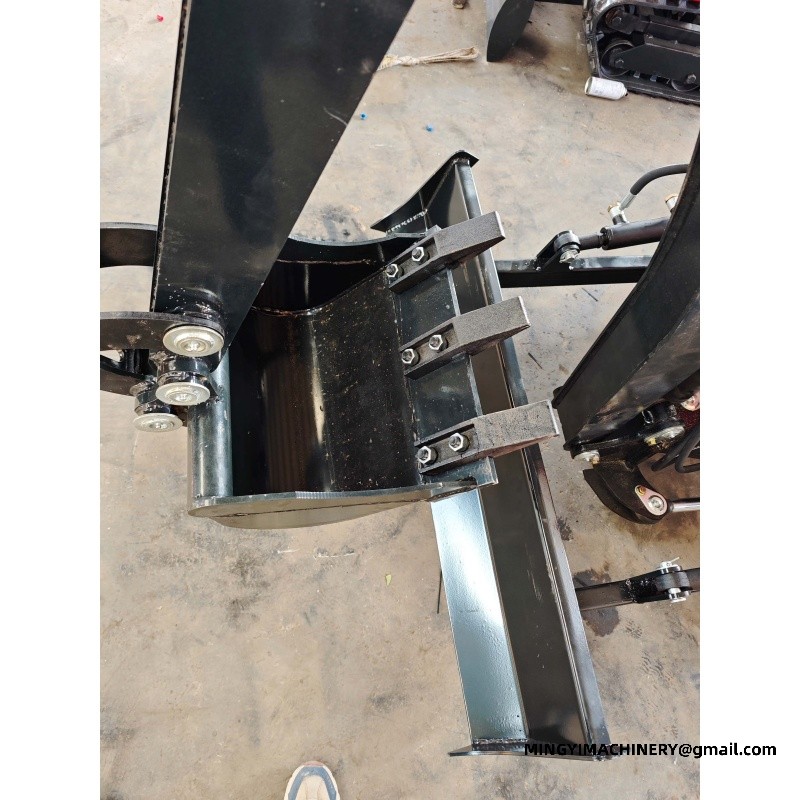
Ballast and attachment weight change the machine. Adding a heavy tool to the machine in that duty moves the centre of gravity, and the counterweight or configuration should be matched to the tool rather than assumed. Carrying and travelling with a load needs its own plan. Speed, gradient and surface all matter more once the unit on the job is loaded, and the safe combination is the conservative one.
A short familiarisation session prevents the early faults. Most first-month problems on a machine built for the work come from unfamiliarity with controls, limits or checks rather than from the machine itself. Keeping the manuals where they can be reached matters. The equipment in service whose documents stay with the machine gets serviced on schedule; one whose paperwork was filed elsewhere tends to run on memory instead.
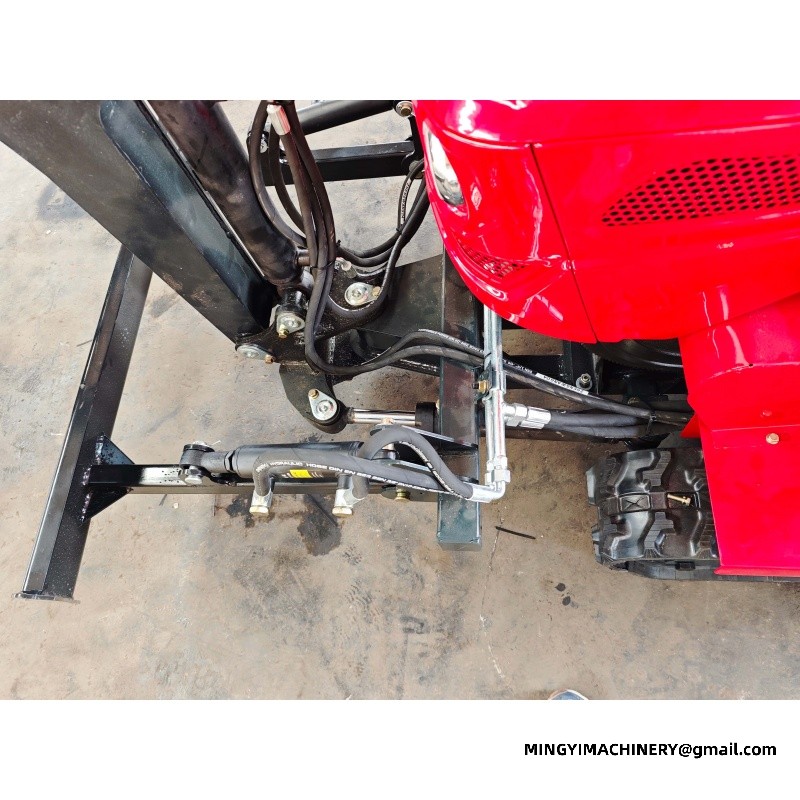
Paddy work changes the specification. The tiller intended for flooded ground needs sealed hubs, a higher air intake and flotation that keeps it on the surface, and those are build items rather than things to add later. Standing water hides the ground underneath. Working this class of machine in a paddy means accepting slower progress and planning the turns, because the places where the machine sinks are the places where the soil has already been disturbed.
Visibility from the seat decides working quality. Being able to see the rotor and the edge of the pass from the equipment on site is what gives a straight, even working width without repeated correction. Simple cabs suit some users better. A machine of this size that can be hosed out, has a washable seat and keeps the controls within reach is often preferred to a fully trimmed cab on a working farm.
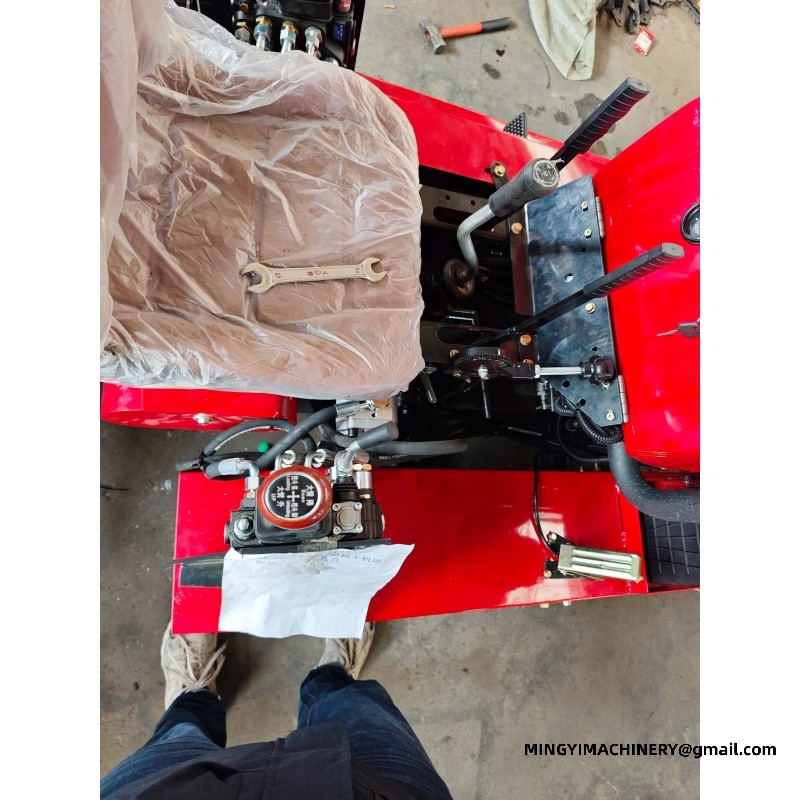
Resale starts at purchase. Specification choices, service records and the condition of wearing parts are what a buyer looks at, and the machine itself that has been maintained on schedule is worth more than one that merely looks clean.
Standing still is hard on machinery. The machine in that duty left for weeks benefits from a clean, dry, covered space, a charged battery and a fuel system prepared for the layoff, and all three effort very little. Before-storage preparation prevents most return-to-work faults. Draining or treating fuel, protecting exposed rods and relieving pressure where the maker specifies it are the items worth an hour when the unit on the job is parked. A periodic start is better than none. Running a machine built for the work to operating temperature during a long layoff keeps seals and the charging system in better condition than leaving it untouched until the next job.
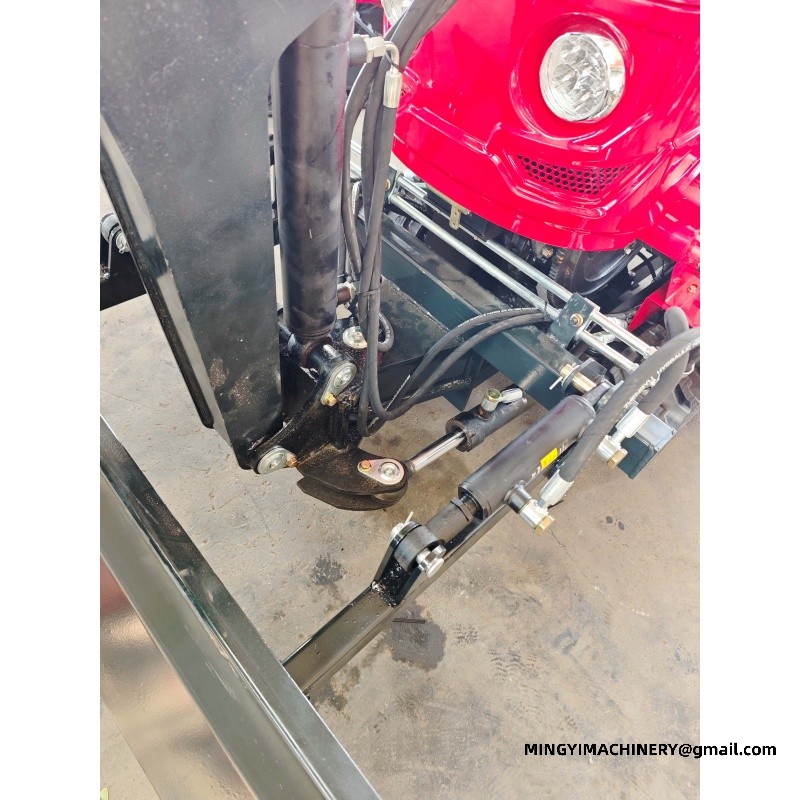
Power unit choice is usually a parts question, not a performance one. Two buyers can order the same this class of machine and sensibly choose different engines, because the right answer depends on which brand the local workshop already supports. Emissions documentation is part of engine selection for some destinations. Confirming which units can be supplied and documented for the destination country is worth doing at enquiry stage rather than after the build sheet is signed. Matching the engine to the duty matters more than the peak rating. The tiller that spends its day at part load benefits from a different setup than one that works at full output, and the difference shows in fuel use over a season.
Traction and flotation are two separate questions. A machine of this size may have the power for a slope and still not have the grip, so the surface, not the engine rating, is usually what limits the working day.
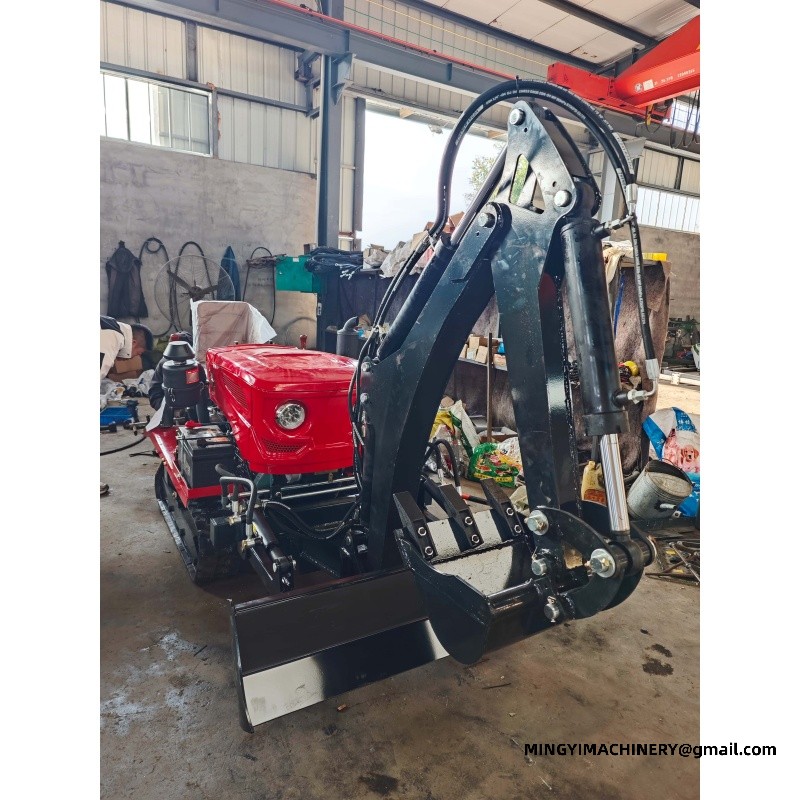
An even tilth is the point of the pass. Depth that varies across the width of the machine itself gives a seedbed that germinates unevenly, and the cause is usually a worn blade set rather than the setting. Second passes effort time and fuel. Getting the depth and speed right on the first pass with the model in question is the simplest improvement available, and it is mostly a matter of operator habit.
Access and storage are worth settling early. Where the unit on the job will be parked, refuelled and serviced on site affects the working day more than most specification details, and it takes nothing to plan. Sequencing avoids rework. Doing the work in the order that suits the ground and the following trades keeps a machine built for the work productive and prevents finishing a task that then has to be opened up again.
Lead time is part of the specification. Confirming build time, shipping method and what is included before ordering the tiller prevents the common gap between when the machine is needed and when it can arrive. Delivery planning includes the receiving end. Knowing whether this class of machine will be craned, driven or forked off, and whether the site can accept it, is settled before dispatch rather than on the day.
The specification should be written from the job backwards. Listing the loads, the ground and the hours first, then matching the equipment on site to that list, avoids buying capacity the work never uses and avoids discovering a shortfall in the first week. Buyers who specify the machine itself on paper before enquiring get specifications that can be compared. Without that list, two suppliers will propose two different machines and the simpler one is usually the smaller one, not the better value. A written duty list is the simplest part of the purchase. It takes an hour to note the material, the distance, the gradient and the hours per week, and it is what turns a machine of this size enquiry into a machine that fits.
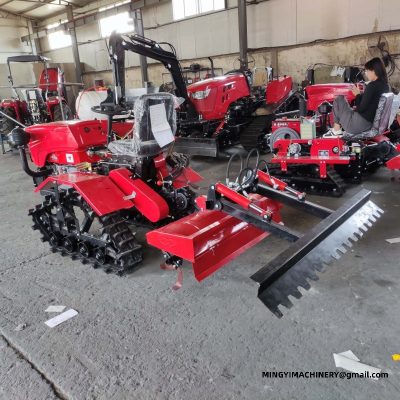
The models below cover the crawler rotary tiller range. Power, working condition, engine series and track width are confirmed together, because the field the machine works in decides the track and the engine before the working width matters.
| Model | Working condition | Track width | Engine series | Induction |
|---|---|---|---|---|
| 120 hp paddy field crawler rotary tiller | paddy field | 350 mm | — | — |
| 50 hp wet and dry field crawler rotary tiller | wet and dry field | — | 490 series | — |
| 50 hp dry field crawler rotary tiller | dry field | — | 490 series | — |
| 60 hp dry field crawler rotary tiller | dry field | — | 495 series | — |
| 60 hp wet and dry field crawler rotary tiller | wet and dry field | — | 495 series | — |
| 130 hp paddy field crawler rotary tiller | paddy field | 350 mm | — | — |
| 100 hp wet and dry field crawler rotary tiller | wet and dry field | 350 mm | — | — |
| 80 hp wet and dry field crawler rotary tiller | wet and dry field | — | 495 series | turbocharged |
| Item | Note |
|---|---|
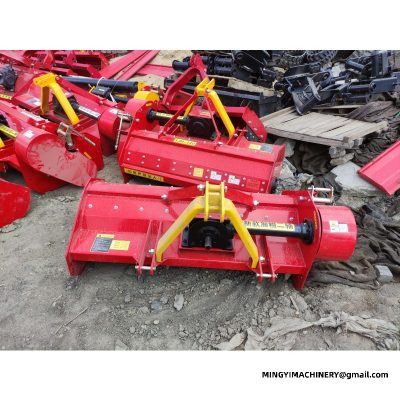
| rotary tiller , 2.2 m working width , 150 gearbox | — |
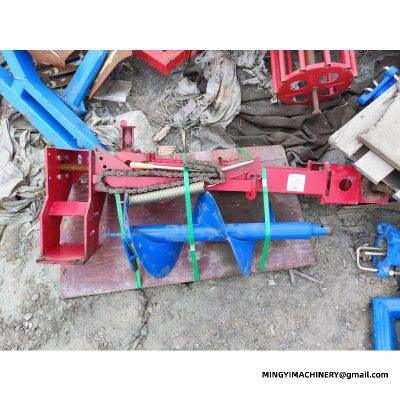
| centre trencher | — |
| vine burying machine | — |
| rotary tiller , 1.8 m working width , 125 gearbox | — |
| land leveller2.2 m -4.4 m | working width 2.2 m |
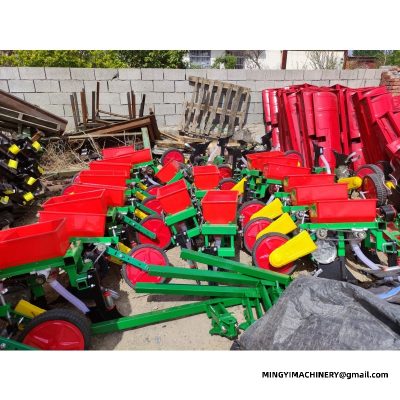
| 1.8 m rotary tillagefertilisingcombined machine | working width 1.8 m |
| sprayer | — |
| deluxe cab | — |
The symptom is usually not at the fault. A hydraulic function that has become sluggish on a machine built for the work may point to a filter, a relief setting or a pump, and starting with the simple checks avoids the wrong guess.
Container loading is a planning exercise. The overall dimensions and the operating weight of the tiller decide whether it ships whole, partly disassembled or with the attachment removed, and that decision is made before the booking.
Transport shakes things loose. A short check of the unit in daily use after the crate is opened, covering the same points the pre-delivery inspection covered, is the most useful insurance available on delivery day.
Operators who come from a different machine need a short conversion. The controls on the equipment on site follow the usual pattern, but the response, the sightlines and the stopping distance are learned by doing rather than by reading.
Humidity attacks the parts that are not used. Storage in a damp climate means the model in question needs the exposed metal protected and the machine run regularly, because standing still does more damage than working.
A stored machine should be brought back carefully. Before the unit on the job returns to work the fluids, the brakes and the controls are checked, because months of standing change more than a weekend does.
A written record is worth more than a good memory. Dates, hours and the parts fitted on the equipment in service turn a guess about the next service into a fact, and they are the first thing a buyer asks to see.
A machine that only one person can use is a single point of failure. Training a second operator on this class of machine takes a day and removes the dependency that otherwise governs holidays, illness and busy weeks.
Travel time is not working time, and it should be planned as its own item. The hours spent moving a machine of this size between jobs are hours not worked, and a trailer that matches the machine reduces them every single trip.
Every line above comes from the build sheet for the equipment on site, and the final configuration is confirmed against the working conditions and the destination before production.
E-mail:sales@mingycn.com
LINE(ID):mingyicn