Where the carrier is used matters as much as what it is. Ground, climate, access and the skill of the operator all change the right answer, which is why the sections below start from the working conditions and work towards the specification.
Records are part of the asset. Keeping the service history and the hour records with this class of machine makes it easier to sell, easier to insure and easier to justify the replacement machine internally.
Abrasive conditions shorten service intervals. Air filters, seals and any exposed sliding surface on the unit in daily use need attention more often in dusty or muddy work, and the extra checks prevent far more wear than the time they take. Cleaning is maintenance, not appearance. Washing the cooling surfaces and clearing packed material from a machine of this size keeps temperatures where they should be and makes the next inspection quicker and more useful. Sealed points and guarded areas deserve a look in these conditions. The equipment on site working in abrasive dust benefits from checked boots, intact guards and clean breathers, all of which are quick to verify.
Machine output varies more between operators than between brands. Smooth, planned movements put less load on the structure and use less fuel, and that difference is visible on the hour meter and in the service bills for the machine itself.
Ground decides more of the outcome than power does. Soft, wet or loose surfaces call for a wider footprint and lower ground pressure, while hard standing allows a narrower machine that turns in less space and travels faster between tasks. Traction and flotation are two separate questions. The model in question may have the power for a slope and still not have the grip, so the surface, not the engine rating, is usually what limits the working day.
Standing still is hard on machinery. The machine in that duty left for weeks benefits from a clean, dry, covered space, a charged battery and a fuel system prepared for the layoff, and all three effort very little. A periodic start is better than none. Running the unit on the job to operating temperature during a long layoff keeps seals and the charging system in better condition than leaving it untouched until the next job.
Export orders add steps that domestic buyers never see. Packed dimensions, securing points, documentation and any dismantling required are all settled before a machine built for the work leaves the factory, and each one affects the freight booking. Documentation should be agreed at order stage. The commercial invoice, packing list and any certificate required at destination are part of shipping the equipment in service, and missing papers delay clearance longer than the voyage takes.
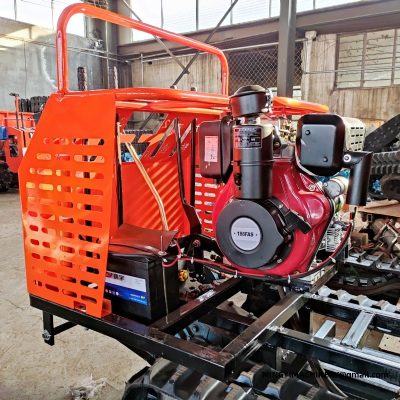
Power unit choice is usually a parts question, not a performance one. Two buyers can order the same the carrier and sensibly choose different engines, because the right answer depends on which brand the local workshop already supports.
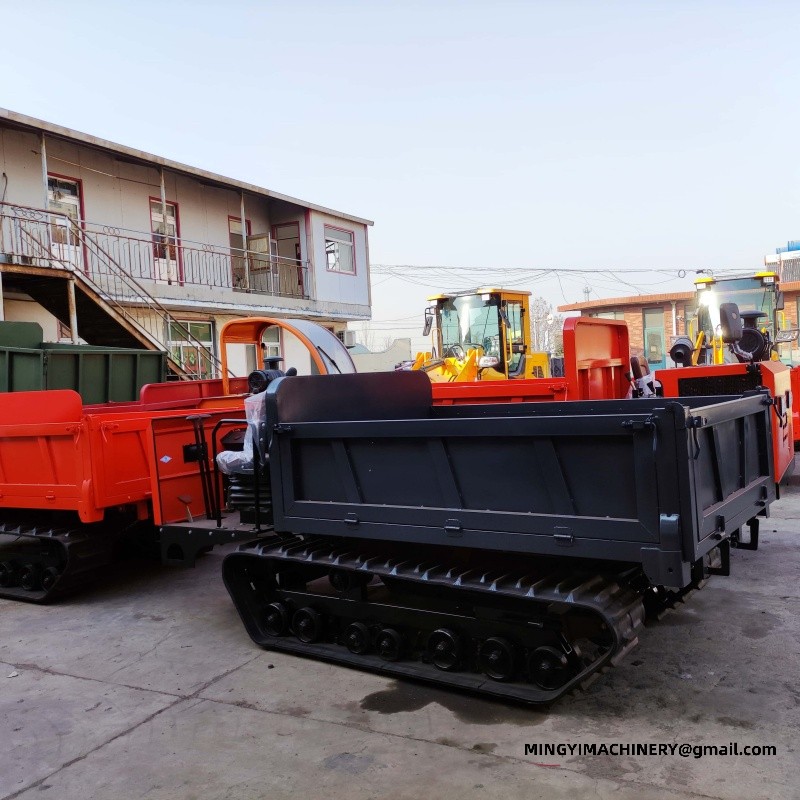
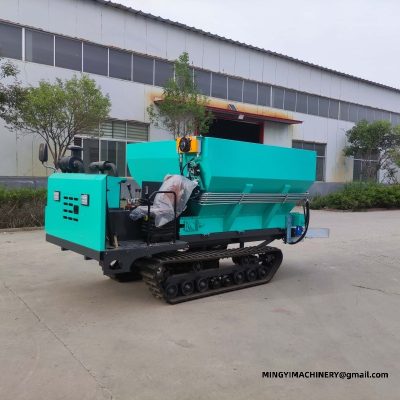
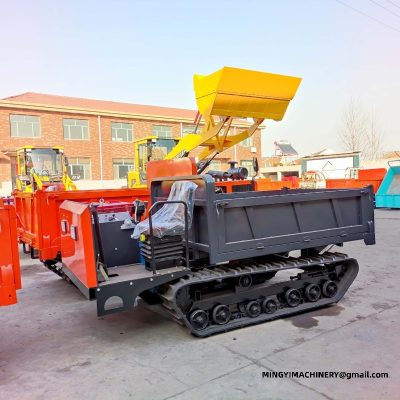
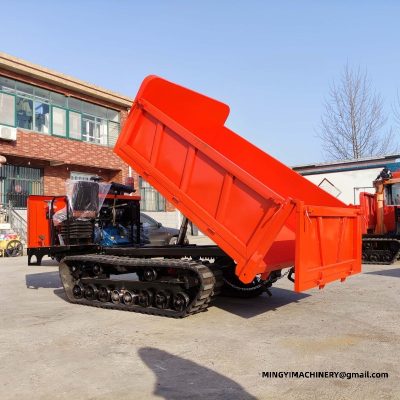
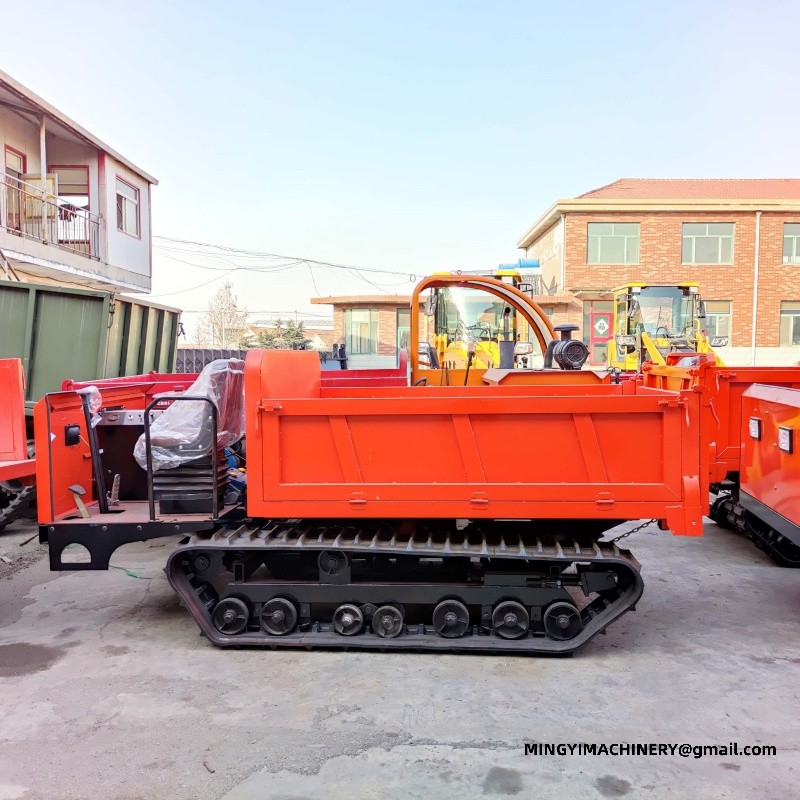
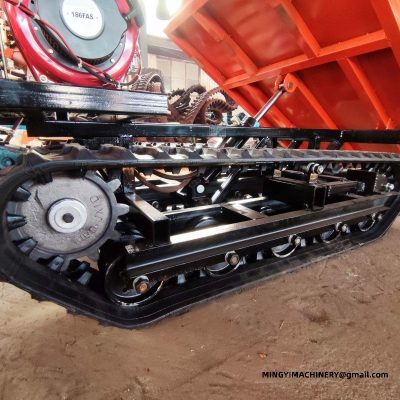
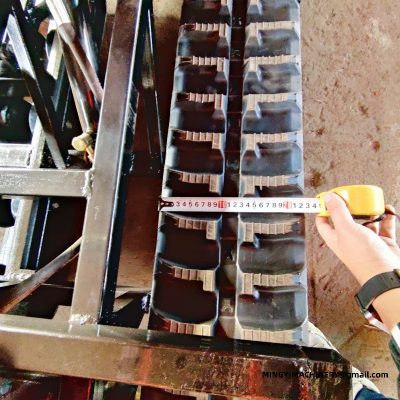
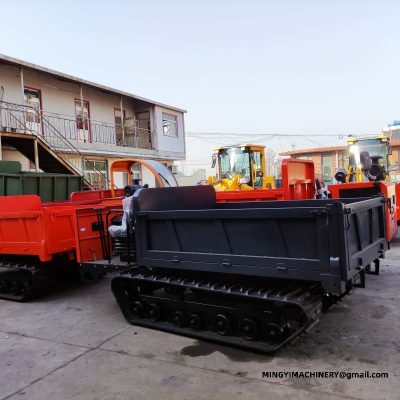
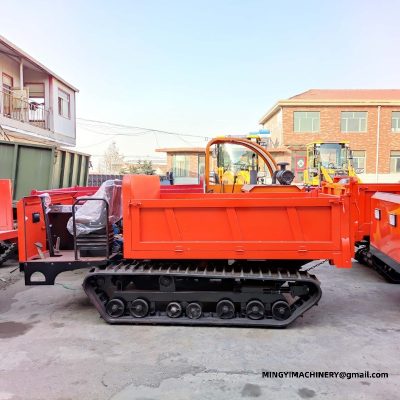
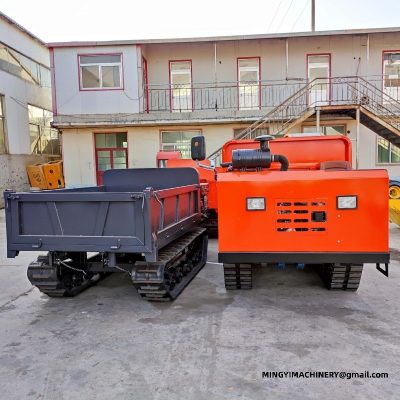
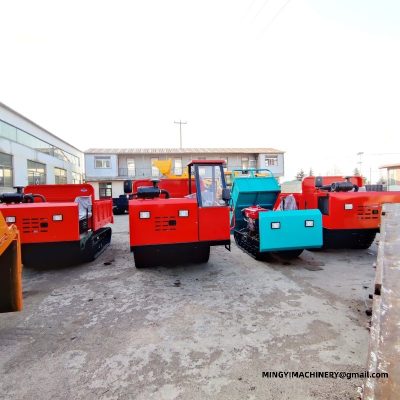
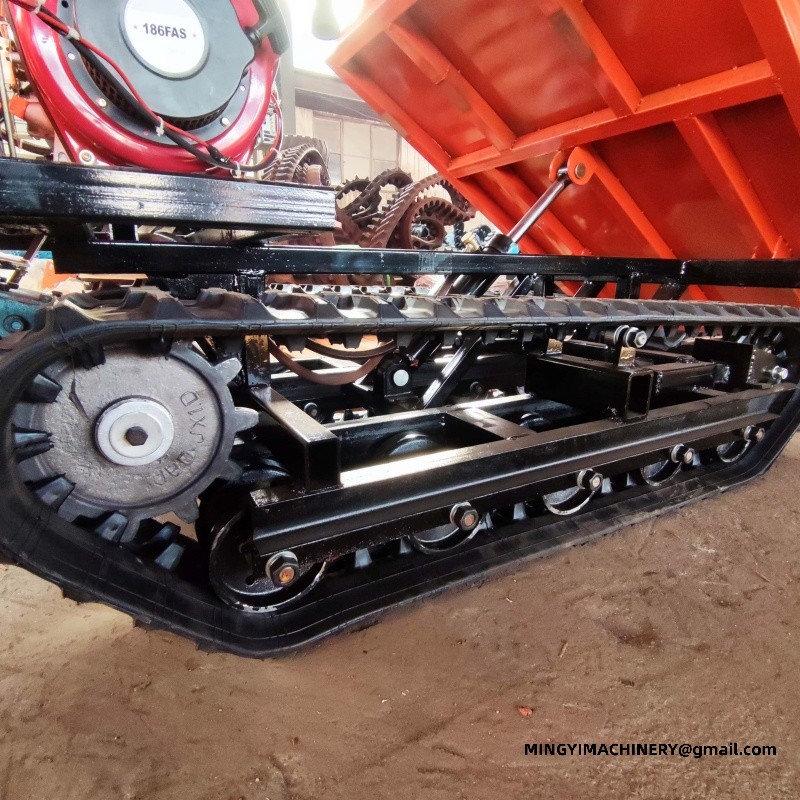
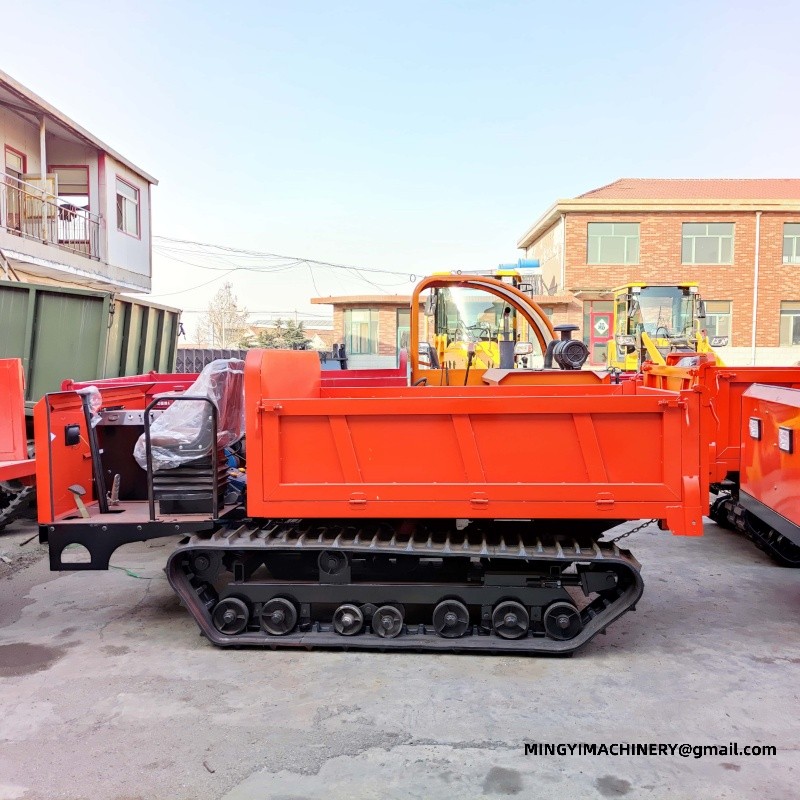
The undercarriage is the reason to choose tracks. This class of machine on tracks spreads its weight and keeps moving on ground where a wheeled carrier would rut and stop, and that is the whole case for the machine.
Service intervals exist because wear is predictable. Following the maker schedule on a machine of this size takes far less time than repairing the damage that follows a missed oil change or a filter left in place past its life.
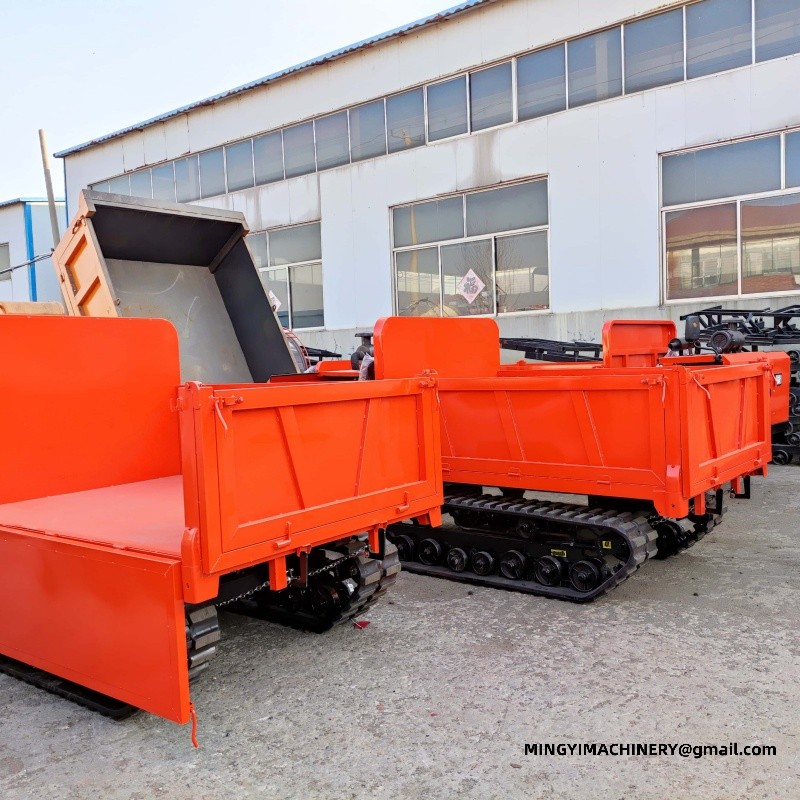
Moving the machine is part of owning it. Overall length, width and height decide which trailer or container the machine itself fits, and a machine that needs a permit or an abnormal load escort is a machine with a delivery delay built in. Owners who work across several sites should check the transport dimensions before ordering. The model in question that fits a standard trailer can be moved by any operator with a suitable vehicle, while an over-width machine narrows that choice and complicates every move.
Machine productivity depends on what happens around it. Deliveries, other trades and the sequence of work decide how much of the shift the unit on the job spends actually working rather than waiting. Sequencing avoids rework. Doing the work in the order that suits the ground and the following trades keeps a machine built for the work productive and prevents finishing a task that then has to be opened up again.
Working after daylight changes the risk. Lighting coverage on the class of machine and across the working area, plus high-visibility clothing for anyone on foot, are the items that make low-light work practical. Visibility from the seat is different at night. Reflections, shadows and glare all hide detail, so the carrier used after dark benefits from clean lenses, working wipers and a slower working pace.
The order should state the configuration in writing. Engine, attachments, colour, documents and any market requirement are clearer on the build sheet for a machine of this size than in a conversation after delivery.
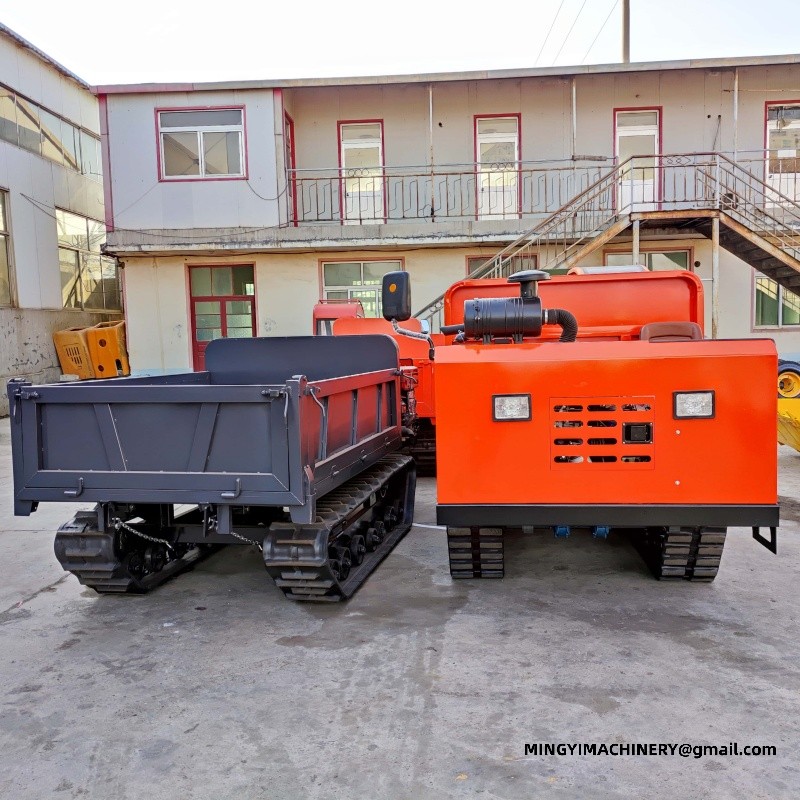
A crane turns a carrier into a loading machine. The machine itself fitted with a small hydraulic crane loads itself, which removes a second machine from the job and is often the reason for choosing one. Stability governs what the crane can lift. Ground condition, load radius and the weight on the tracks of the model in question decide the safe figure, and those are established before the lift rather than during it.
Duty cycle is the honest measure of a machine. The unit on the job working a few hours a week has different needs from one working two shifts, and the cooling, filtration and service intervals should follow the hours rather than the calendar. Seasonal work changes the maintenance calendar. Machines that work hard for two months and stand for ten need preparation before storage and a check before returning to work, and both are simpler than the repairs they prevent. Hour planning helps at resale as well. A machine built for the work with a recorded service history and a sensible hour count is easier to sell than one with the same hours and no records, whatever its condition.
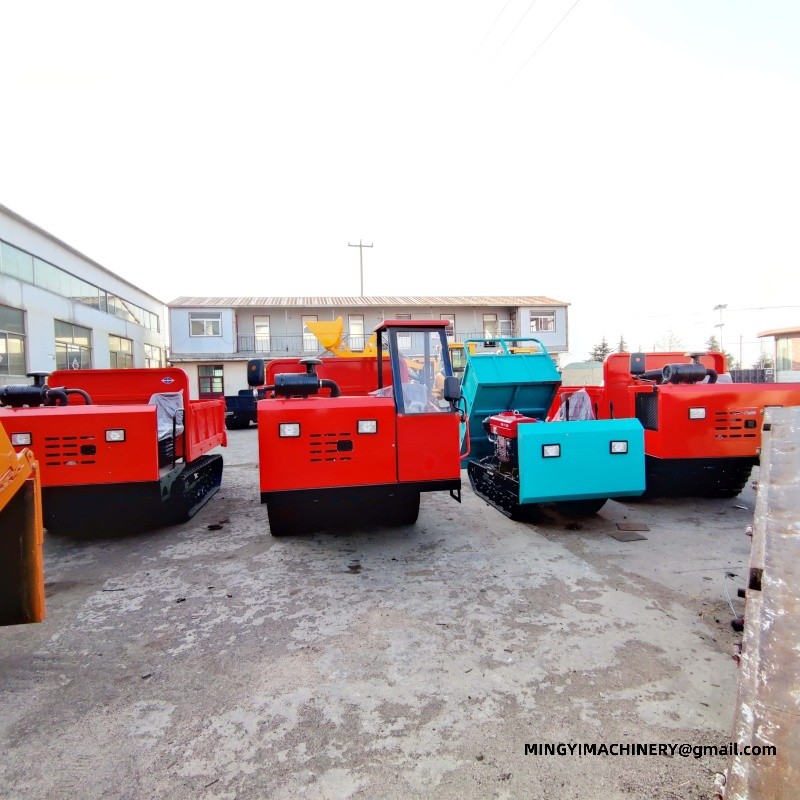
The base machine is only as useful as the tool on the end of it. Matching the attachment to the task - rather than to what arrived with the machine - is what lets one this class of machine cover several jobs across a week. Most owners find that the second attachment changes how often the machine is used. The carrier that was bought for one task often becomes the general machine on site once a second tool is available.
Slopes and edges deserve a separate check. A machine of this size that is stable on level ground behaves differently across a gradient, and the safe working angle is a number worth knowing rather than estimating.
Fuel is usually the largest controllable running demand. Operating style, correct tyre or track condition and a clean air supply all move consumption on the machine itself by more than most buyers expect. Planning the work to reduce empty movement is free. Fewer repositioning cycles on the model in question means less fuel, less wear on the undercarriage or tyres and more of the shift spent on productive work.
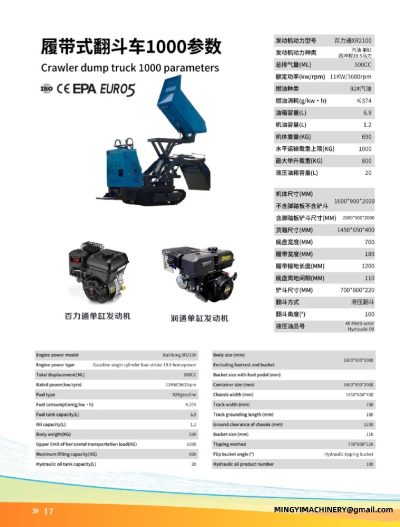
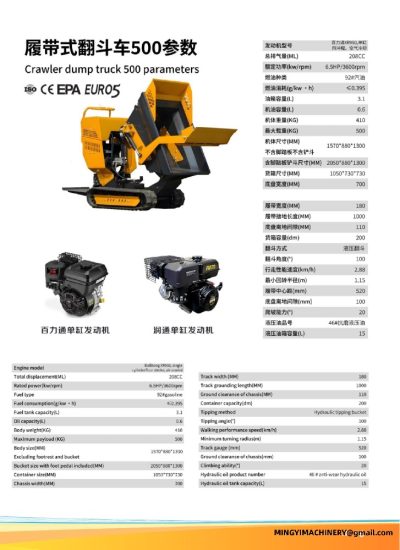
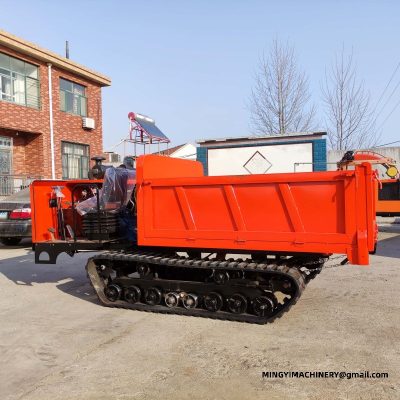
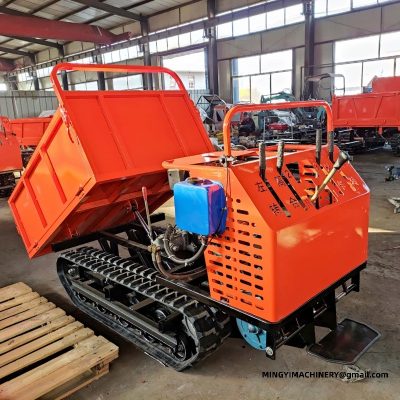
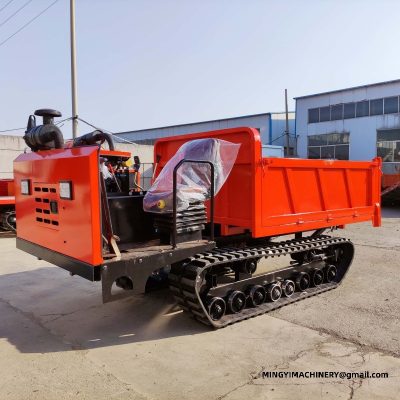
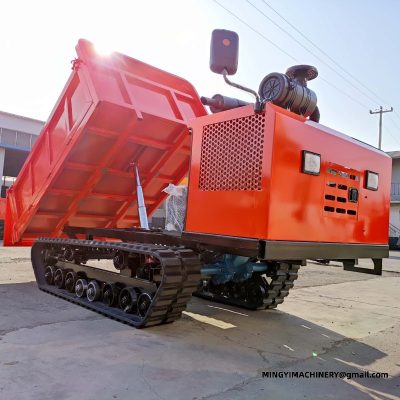
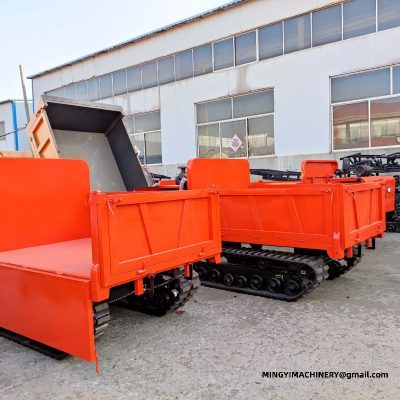
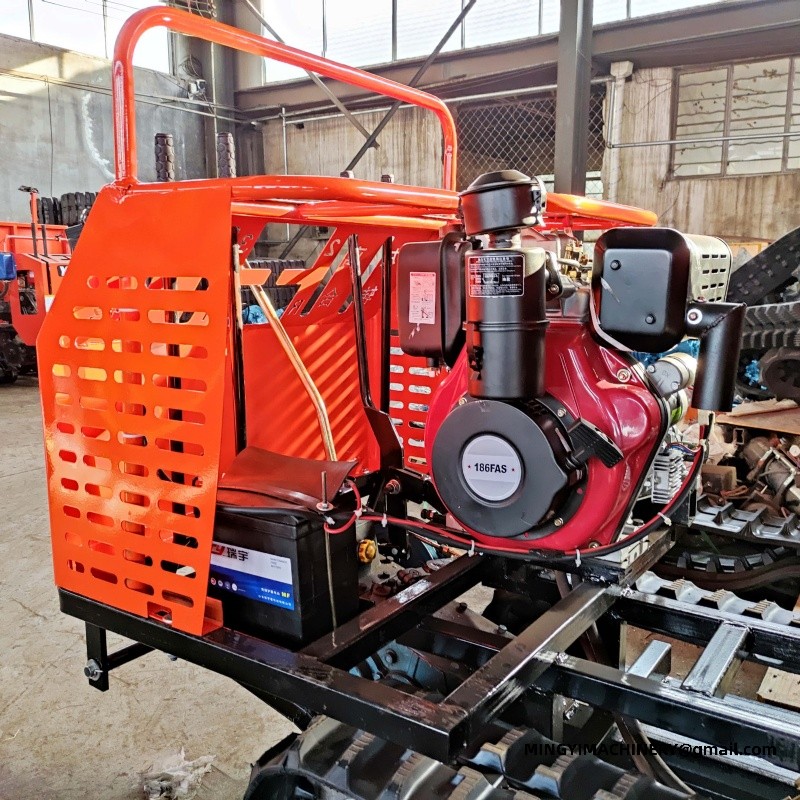
The engines and payloads below are the options offered on this crawler carrier. Output and payload are confirmed together with the route, because the gradient and the ground decide what the machine can carry before the engine rating matters.
| Output | Engine | Rated power | Rated payload |
|---|---|---|---|
| 106.08 hp | 4102 turbo 78 kw*1.36=106.08 hp | 78 k W | 650 kg / 750 kg |
| 58 hp | 490 engine 58 hp | — | 650 kg / 750 kg |
| 10 hp | 186 engine 10 hp | — | 650 kg / 750 kg |
| 12 hp | 192 engine 12 hp | — | 650 kg / 750 kg |
| 8 hp | 178 engine 8 hp | — | 650 kg / 750 kg |
| 25 hp | Engine 25 hp | — | 650 kg / 750 kg |
| 85 hp | 4102 engine 85 hp | — | 650 kg / 750 kg |
| Item | Note |
|---|---|
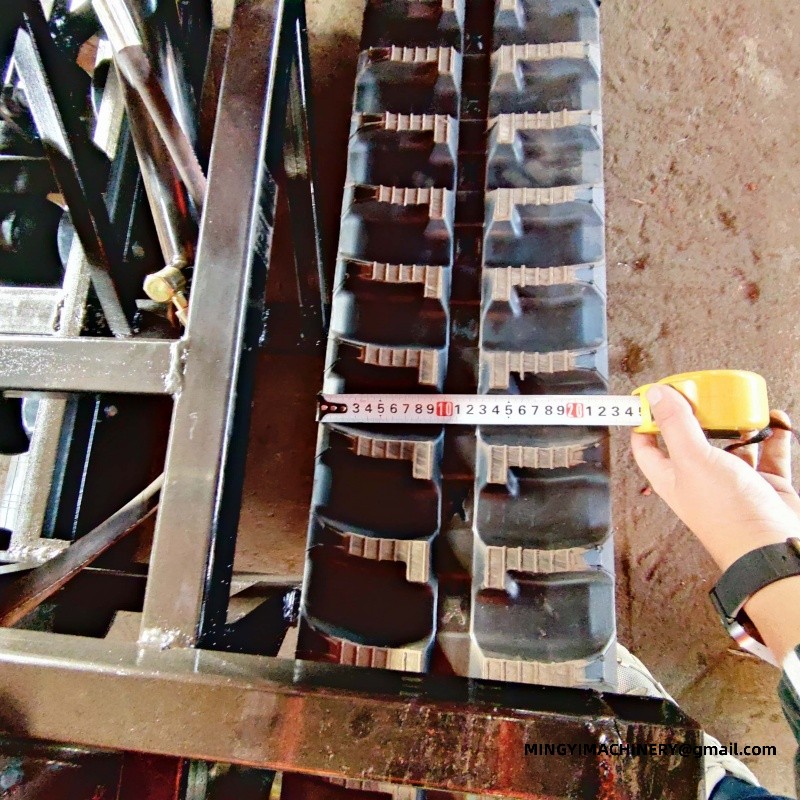
| Track undercarriage | Rubber or steel track undercarriage is selected against the ground. |
| Crane option | A 0.5 t or 1 t crane can be fitted for self-loading. |
| Canopy option | Simple canopy, semi enclosed canopy or fully enclosed cab. |
Service history also protects the warranty position. Evidence that the equipment in service was maintained at the specified intervals and with the specified fluids settles questions that would otherwise be argued.
Downtime is simplest when it is planned. Booking the service for this class of machine in the quiet part of the season takes nothing from the schedule, while the same work in the busy weeks gives up a day of output every time.
The first day with a new machine sets the pattern for the next five years. Handover for a machine of this size covers the control layout, the daily check points and the limits the operator needs to know before the first real load is lifted or carried.
Keeping the documents together is part of ownership. The manual, the service record and the build sheet for the machine itself belong in one folder, and the machine is easier to sell later when that folder is complete.
An added function should pay for itself quickly. Whether the machine in that duty gains a different bucket, a hydraulic service or a protection package, the test is the number of days a year it is actually used.
Transport shakes things loose. A short check of a machine built for the work after the crate is opened, covering the same points the pre-delivery inspection covered, is the most useful insurance available on delivery day.
The battery and the fuel are the first things to suffer in storage. Preparing the carrier properly at the start of the idle period avoids the flat battery and the contaminated tank that greet an unprepared machine.
Every line above comes from the build sheet for this class of machine, and the final configuration is confirmed against the working conditions and the destination before production.
E-mail:sales@mingycn.com
LINE(ID):mingyicn