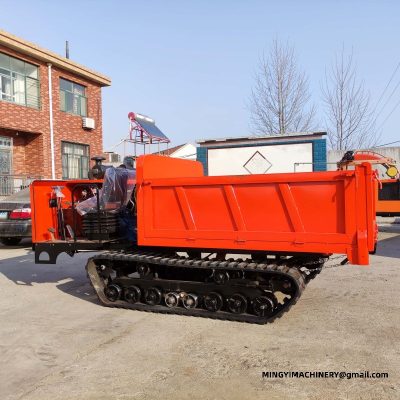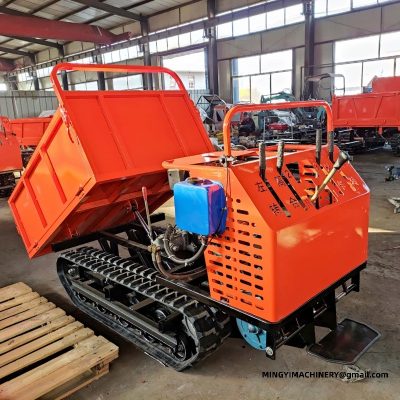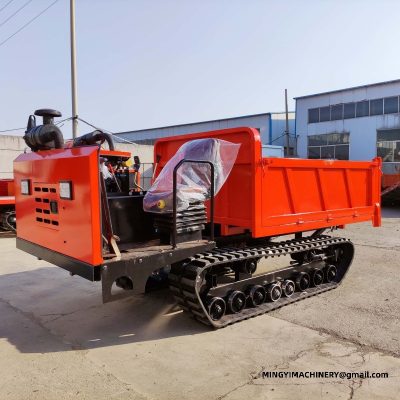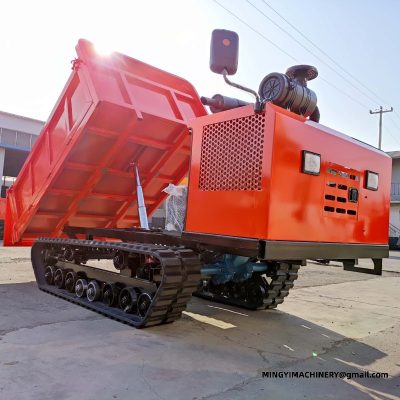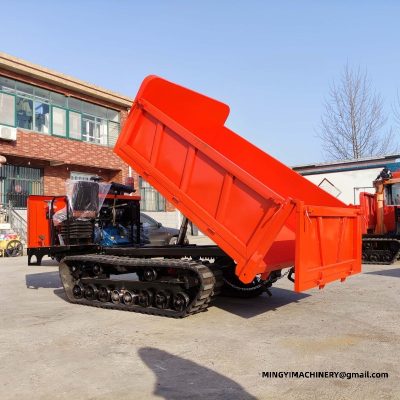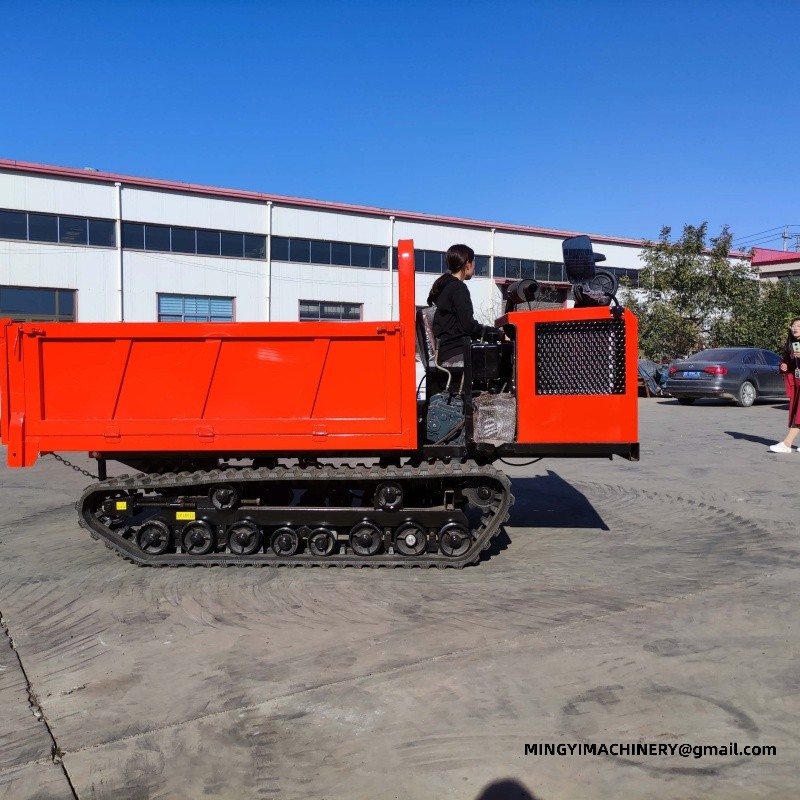
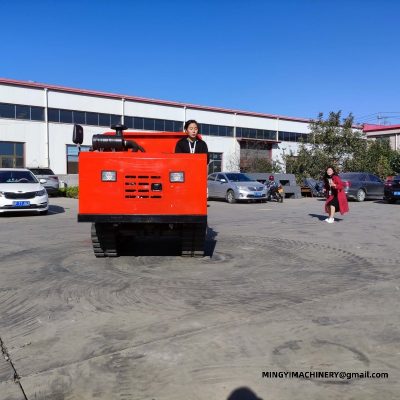
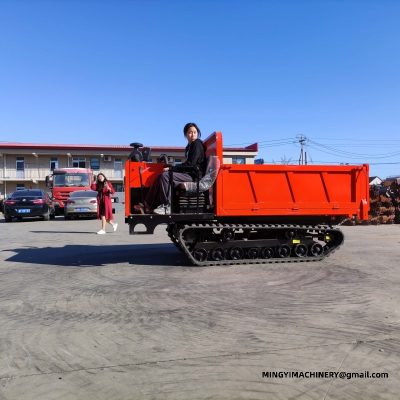
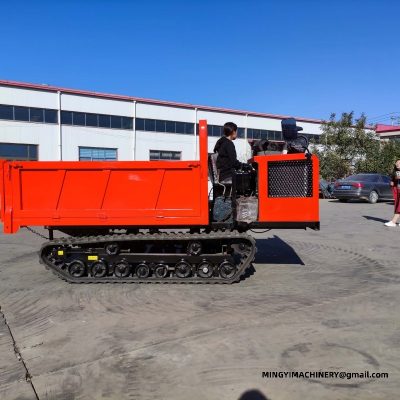
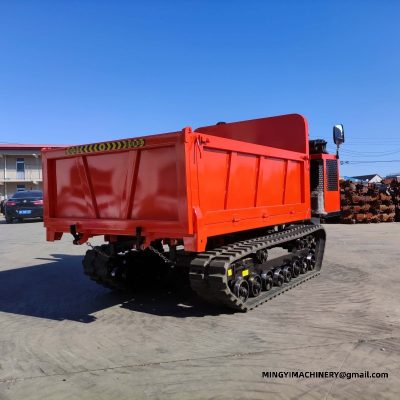
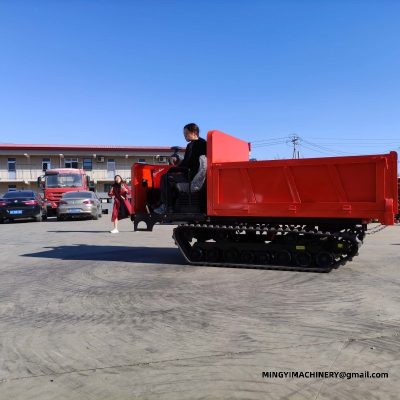
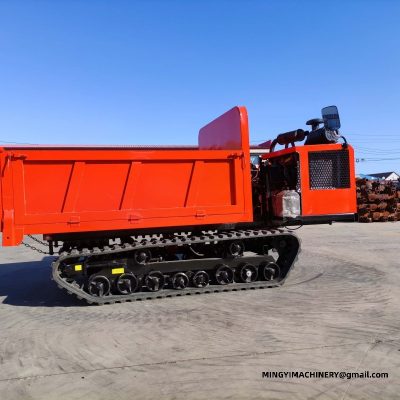
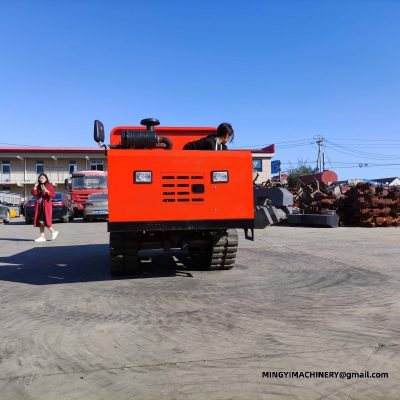
The range covered here includes the carrier in the configurations that are built and shipped. Rather than repeat a specification table on its own, the sections below explain what each figure means in use and where the trade-offs sit.
Sequencing avoids rework. Doing the work in the order that suits the ground and the following trades keeps this class of machine productive and prevents finishing a task that then has to be opened up again.
Before-storage preparation prevents most return-to-work faults. Draining or treating fuel, protecting exposed rods and relieving pressure where the maker specifies it are the items worth an hour when the unit in daily use is parked. A periodic start is better than none. Running a machine of this size to operating temperature during a long layoff keeps seals and the charging system in better condition than leaving it untouched until the next job.
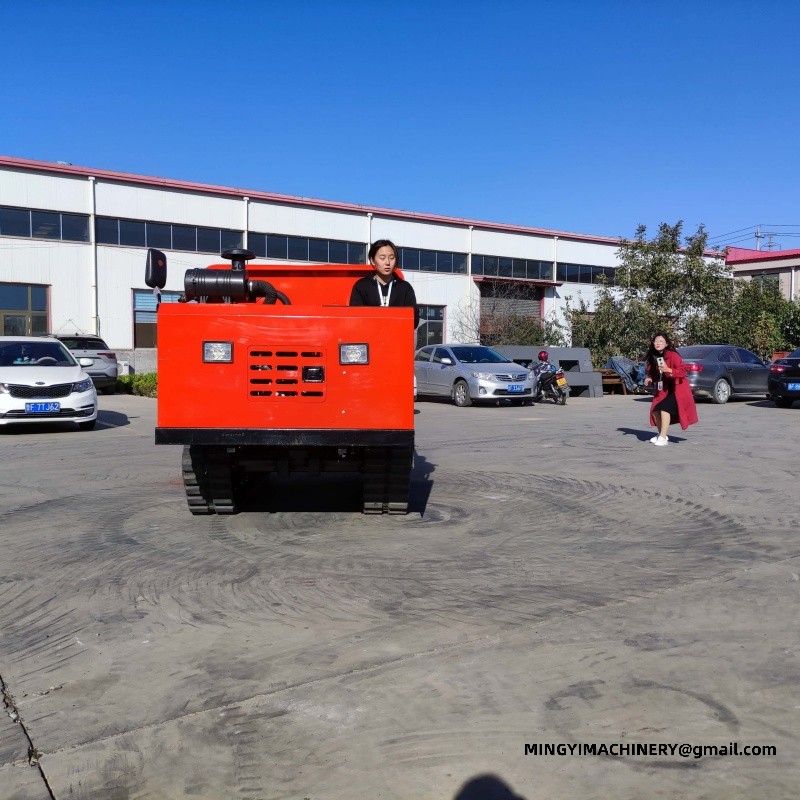
Greasing is the task that gets skipped. Following the greasing points on the equipment on site at the published intervals is the single simplest thing that extends the life of the machine.
Orchard and vineyard work is a natural fit. Narrow rows, soft ground and short hauls suit the machine itself better than a truck, and the machine works where there is no room to turn anything larger.
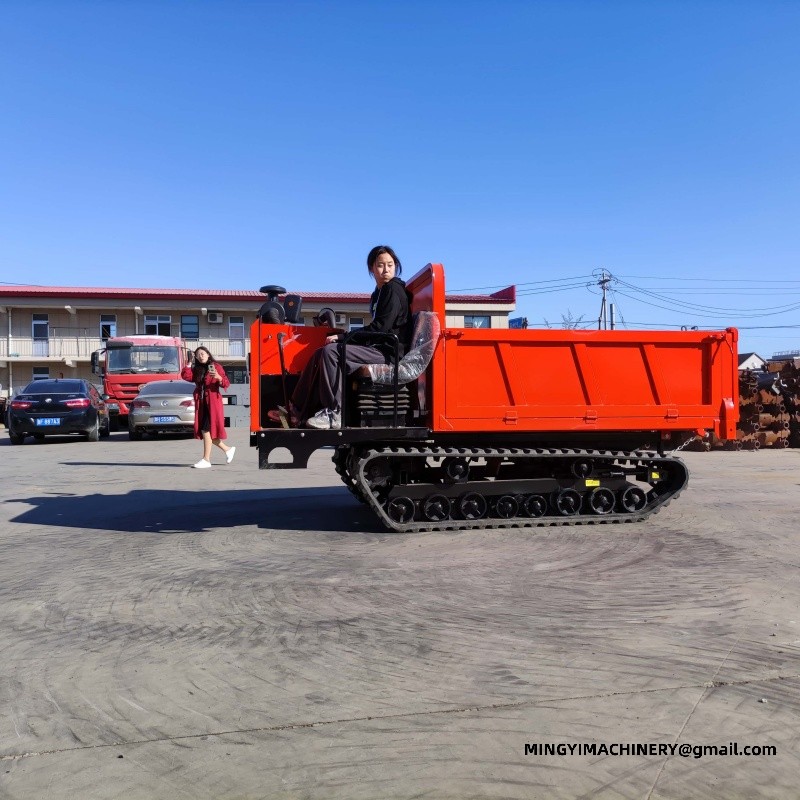
Stability follows the load and its position. Knowing the rated capacity of the model in question at the working radius, rather than at its best case, is what keeps handling predictable and the machine upright. Carrying and travelling with a load needs its own plan. Speed, gradient and surface all matter more once the machine in that duty is loaded, and the safe combination is the conservative one.
Duty cycle is the honest measure of a machine. The unit on the job working a few hours a week has different needs from one working two shifts, and the cooling, filtration and service intervals should follow the hours rather than the calendar.
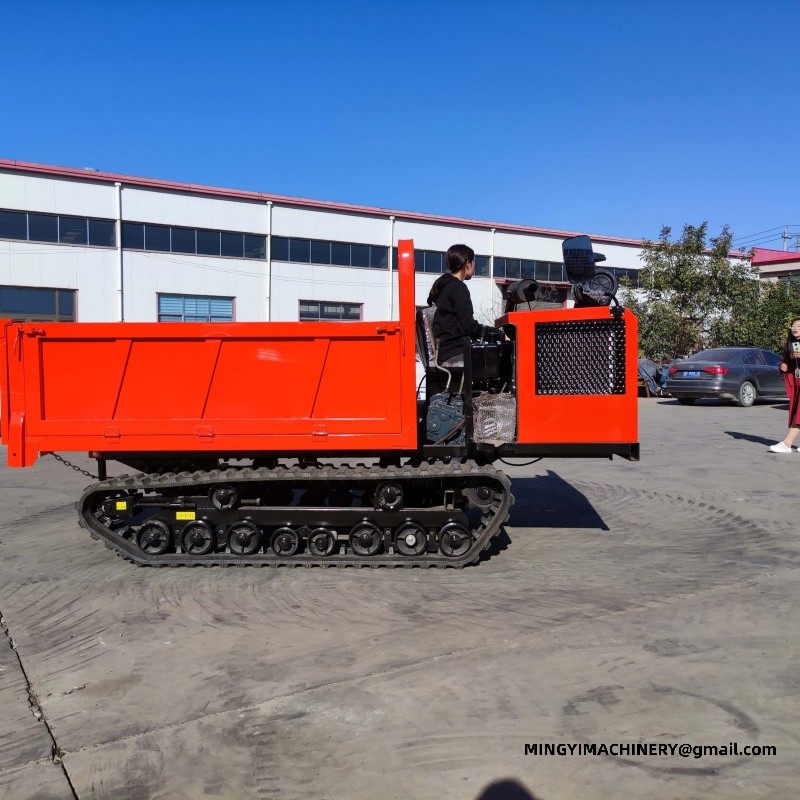
Certain parts are designed to be consumed. Knowing which items on a machine built for the work are wearing parts, and roughly how long they last in the duty the machine sees, turns replacement into a plan rather than a breakdown. Wear rate follows conditions far more than hours. The equipment in service working on abrasive ground or in mud will consume undercarriage or tyre life much faster than the same machine on clean ground.
Documentation should be agreed at order stage. The commercial invoice, packing list and any certificate required at destination are part of shipping the carrier, and missing papers delay clearance longer than the voyage takes.
Most failures start as something small that a walk-around would have caught. Fluid levels, belt tension, tyre or track condition and any fresh leak are the items worth two minutes at the start of each shift on the unit in daily use. Service intervals exist because wear is predictable. Following the maker schedule on a machine of this size takes far less time than repairing the damage that follows a missed oil change or a filter left in place past its life. A simple log helps. Recording hours, fuel and any adjustment made to the equipment on site gives the workshop a history, and that history is what turns an intermittent fault into a one-visit repair instead of three.
Consumption is best measured over a full week rather than judged per hour. Idle time, repositioning and waiting for other trades are often the largest share of the fuel the model in question burns on a site.
Owners who work across several sites should check the transport dimensions before ordering. The unit on the job that fits a standard trailer can be moved by any operator with a suitable vehicle, while an over-width machine narrows that choice and complicates every move.
Utilisation matters more than the purchase decision over a few years. The equipment in service that sits idle ties up the same yard space standing still as one that earns, so the buying decision should follow the hours the machine will realistically work.
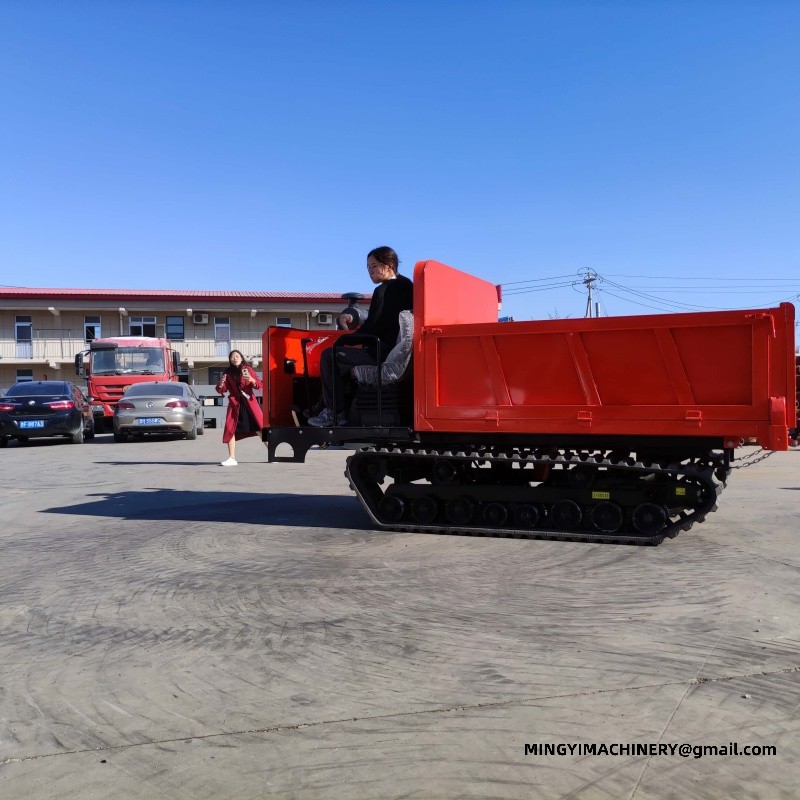
A canopy or enclosed cab changes where the machine can work. In rain or heavy sun, the unit in daily use with a roof keeps the operator working, and on a seasonal job that is worth more than it appears. Keeping the controls simple helps seasonal operators. This class of machine that a competent driver can learn in an hour suits a farm or a contractor better than one that needs a long familiarisation.
Lead time is part of the specification. Confirming build time, shipping method and what is included before ordering the equipment on site prevents the common gap between when the machine is needed and when it can arrive. The order should state the configuration in writing. Engine, attachments, colour, documents and any market requirement are clearer on the build sheet for the machine itself than in a conversation after delivery.
Payload is the number that matters on a short haul. Specifying the unit on the job against the material and the number of trips per day gives a realistic figure, because a body that looks half full can already be at its limit with stone. The honest payload depends on the route. The machine in that duty crossing level ground carries differently from one crossing ruts and gradients, and the conservative figure is the one that finishes the day.
Support after delivery is a parts question. Filters, belts, hoses and the wearing items specific to the equipment in service are what a buyer should plan to hold before the first service interval rather than order after a failure. Parts availability usually decides the engine and the brand. A machine built around components the local network already carries is serviced from stock, which is the difference between a day lost and a week lost.
Machine output varies more between operators than between brands. Smooth, planned movements put less load on the structure and use less fuel, and that difference is visible on the hour meter and in the service bills for the carrier. A short handover pays for itself. Operators who understand why this class of machine is set up the way it is will report a change in behaviour early, which is usually the point where a repair is simplest.
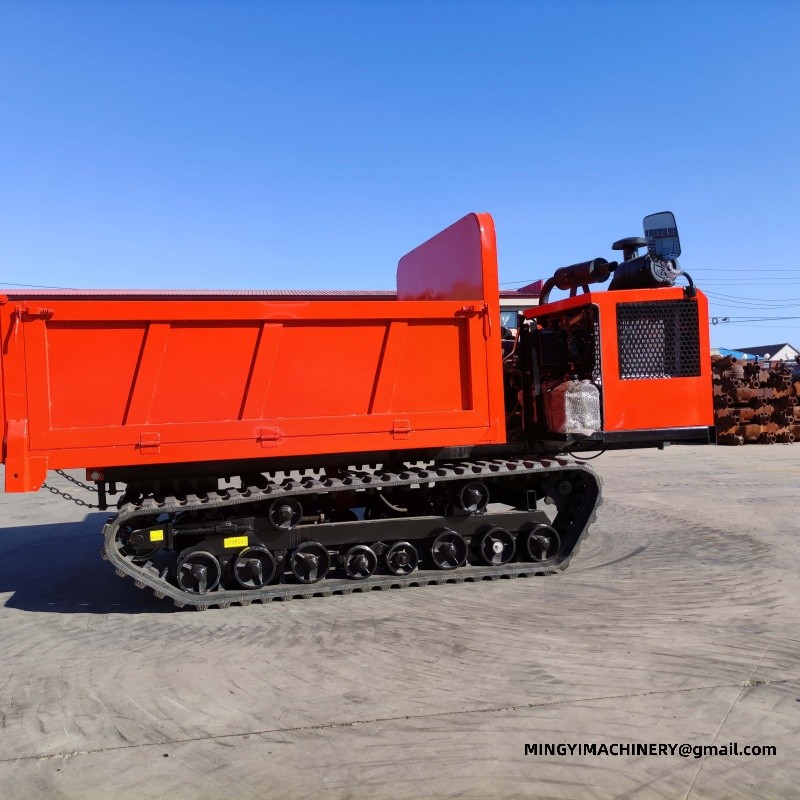
Gradient is where a crawler carrier earns its place. A machine of this size with a low range climbs loaded where a wheeled machine would need a second run, and that decides whether a track is usable at all. Descending loaded is the harder half. Engine braking and brakes in good order on the equipment on site are what make a loaded descent routine, and the route should be planned before the load is taken on.
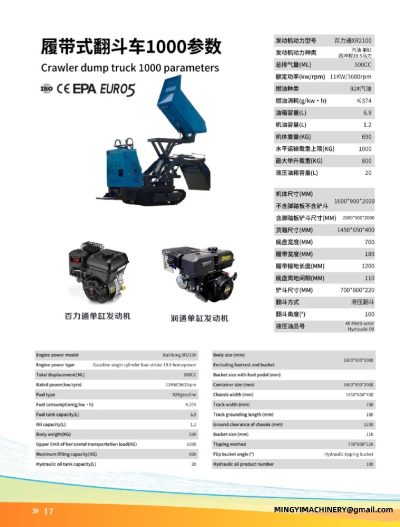
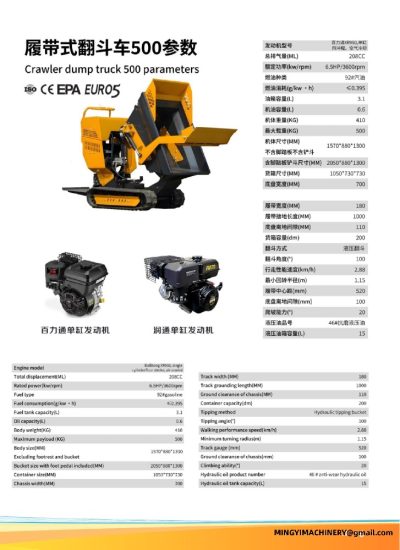
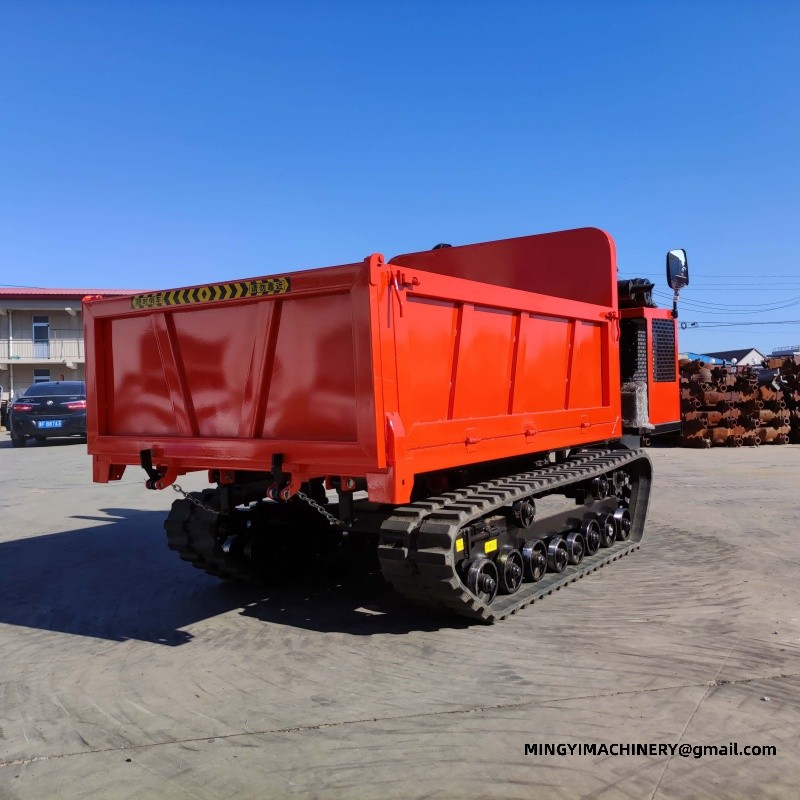
The engines and payloads below are the options offered on this crawler carrier. Output and payload are confirmed together with the route, because the gradient and the ground decide what the machine can carry before the engine rating matters.
| Output | Engine | Rated payload | Rated power |
|---|---|---|---|
| 58 hp | 490 engine 58 hp | 650 kg / 750 kg | — |
| 10 hp | 186 engine 10 hp | 650 kg / 750 kg | — |
| 106.08 hp | 4102 turbo 78 kw*1.36=106.08 hp | 650 kg / 750 kg | 78 k W |
| 85 hp | 4102 engine 85 hp | 650 kg / 750 kg | — |
| 12 hp | 192 engine 12 hp | 650 kg / 750 kg | — |
| 25 hp | Engine 25 hp | 650 kg / 750 kg | — |
| 8 hp | 178 engine 8 hp | 650 kg / 750 kg | — |
| Item | Note |
|---|---|
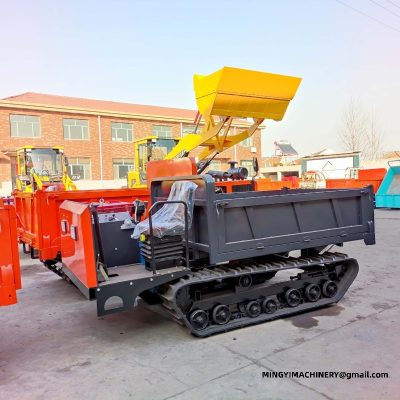
| Crane option | A 0.5 t or 1 t crane can be fitted for self-loading. |
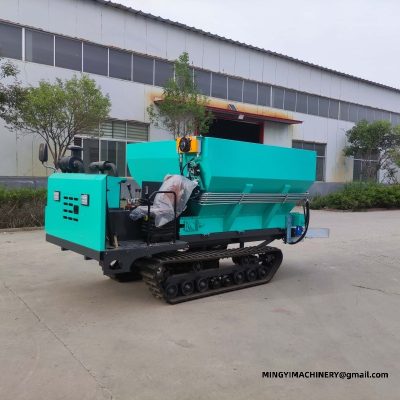
| Track undercarriage | Rubber or steel track undercarriage is selected against the ground. |
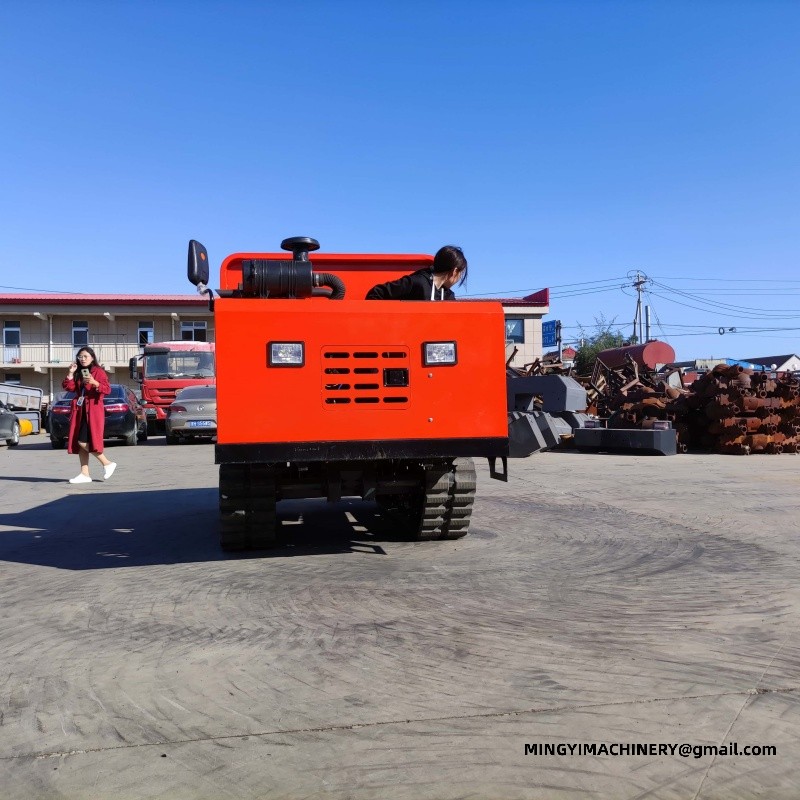
| Canopy option | Simple canopy, semi enclosed canopy or fully enclosed cab. |
Operators who come from a different machine need a short conversion. The controls on the unit on the job follow the usual pattern, but the response, the sightlines and the stopping distance are learned by doing rather than by reading.
A clear parts book saves more time than any other document. When the equipment in service needs a replacement, the illustration and the part number are what turn a phone call into a shipment instead of a description.
The paperwork matters as much as the packing. Serial numbers, dimensions and weights recorded for this class of machine at loading are the same figures the destination needs, and a mismatch here loses more days than the voyage itself.
The parts that stop a machine are rarely the parts that are hardest to find. Filters, belts, seals and the ground engaging tools on a machine of this size are easy to hold and slow to replace, which is why they belong on the shelf rather than on an order.
An added function should pay for itself quickly. Whether the machine itself gains a different bucket, a hydraulic service or a protection package, the test is the number of days a year it is actually used.
Machines rarely fail without warning. A change in sound, a slower function or a new leak on the machine in that duty is the machine saying something early, and listening then takes a fraction of the time that waiting does.
Standing still is harder on a machine than working. Preparing a machine built for the work for a long idle period means clean fluids, a charged battery and protection for the exposed surfaces, because neglect is not the same as rest.
Every line above comes from the build sheet for the equipment in service, and the final configuration is confirmed against the working conditions and the destination before production.
E-mail:sales@mingycn.com
LINE(ID):mingyicn