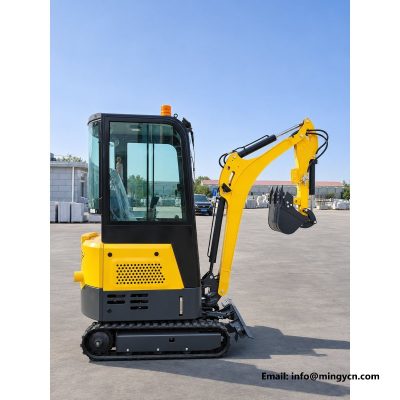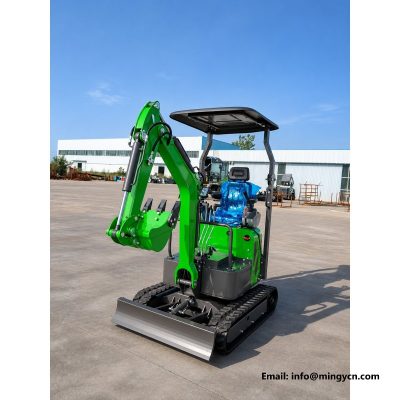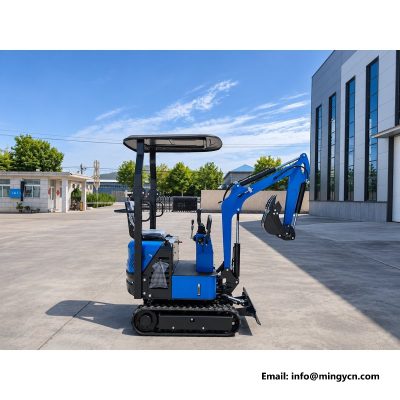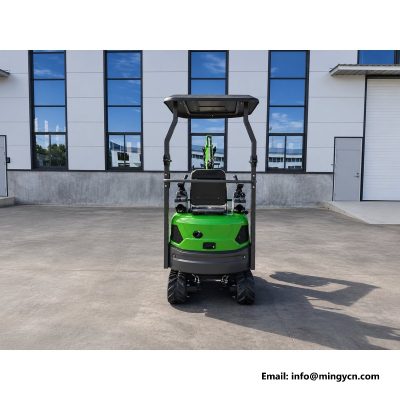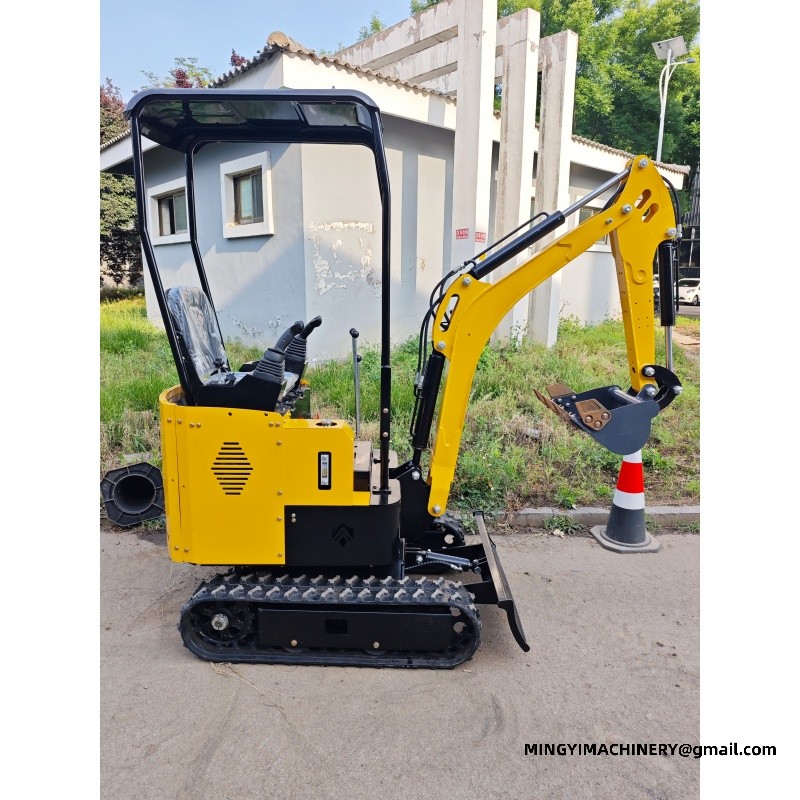
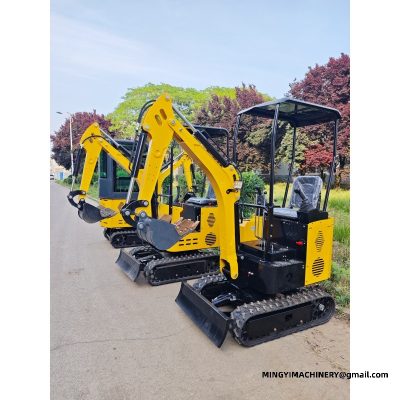
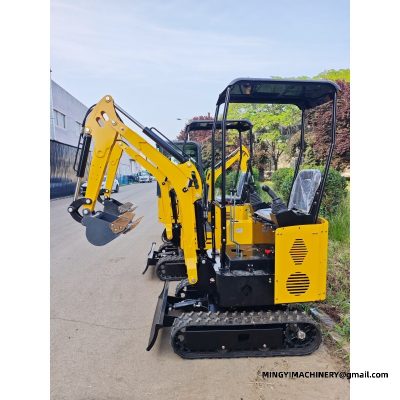
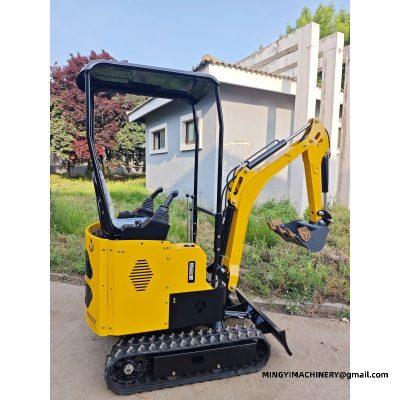
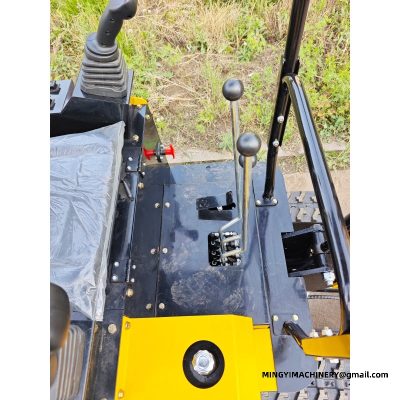
On hard or compacted ground the limiting factor is not reach or speed but digging force. A machine with useful torque at the tracks and hydraulic pressure at the bucket can break out material that a lighter unit of the same size simply cannot move.
MINGYI builds small crawler diggers with the power train and undercarriage matched to demanding ground. Buyers working in clay, compacted fill or stony soils usually specify the machine around that requirement.
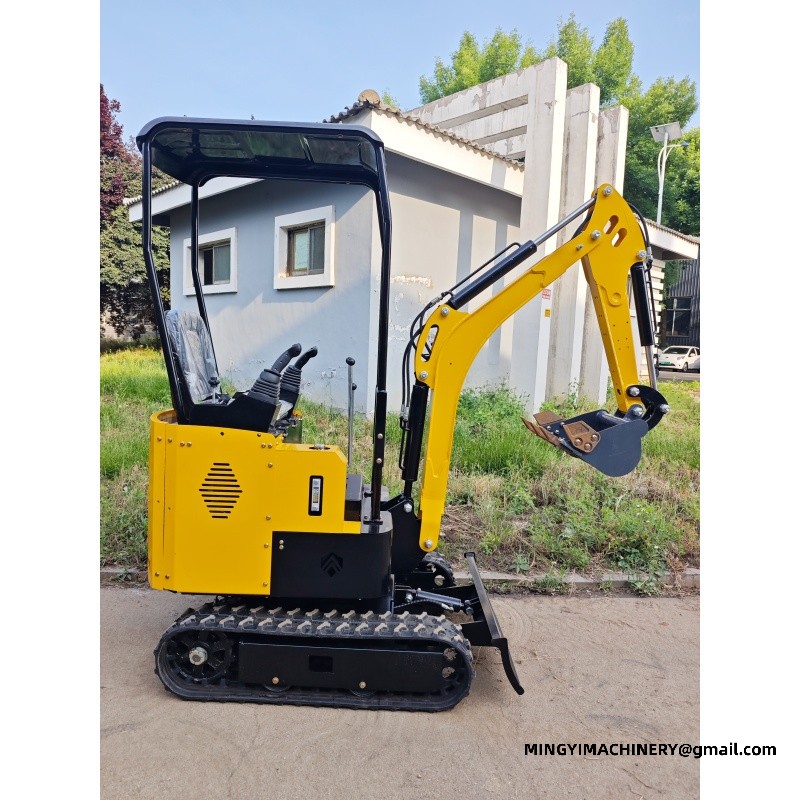
Breakout force at the bucket comes from the geometry of the boom and the hydraulic pressure behind it, while traction at the tracks comes from the motors and the ratio between machine weight and track area.
Both have to be adequate at once. A machine that can lift hard material but slips or stalls on the tracks is of little use, so ground conditions should be described honestly when the specification is agreed.
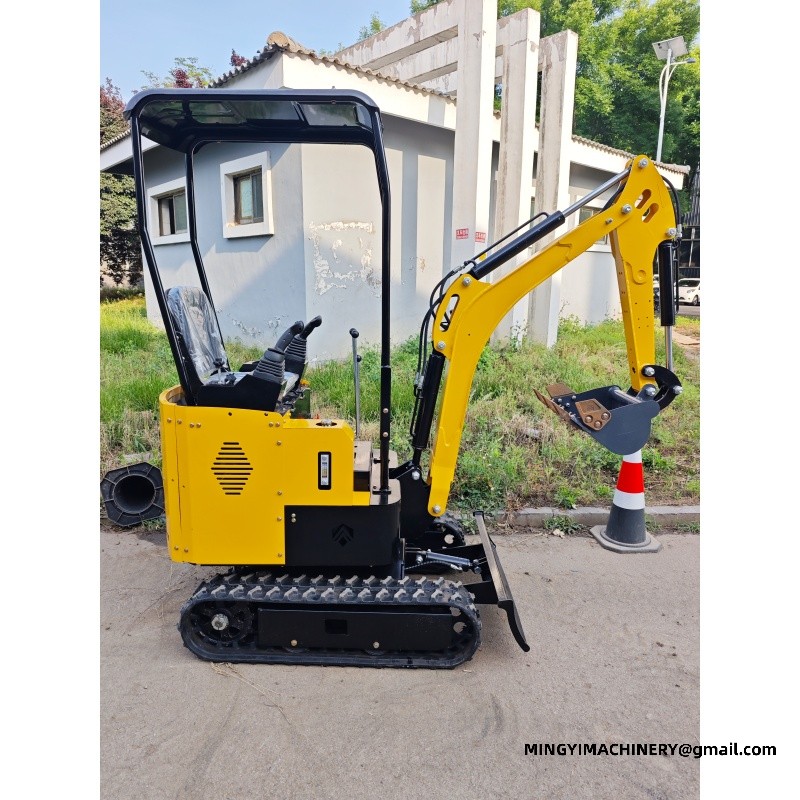
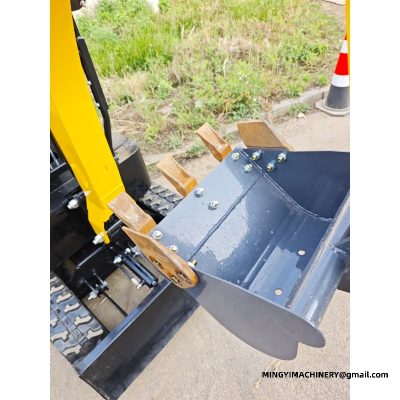
Steel tracks with rubber blocks are the usual fit where grip and wear resistance matter, while a narrow digging bucket concentrates force at the teeth and opens tough ground more easily than a wide one.
A ripper or a breaker can be added where the ground is beyond simple digging. Buyers should state the hardest material the machine will meet at the ordering stage, so the bucket and any powered attachment are chosen to suit it.
The excavator is specified for the ground it will meet, not for showroom figures. MINGYI supplies these machines built to order around the buyer's site conditions.
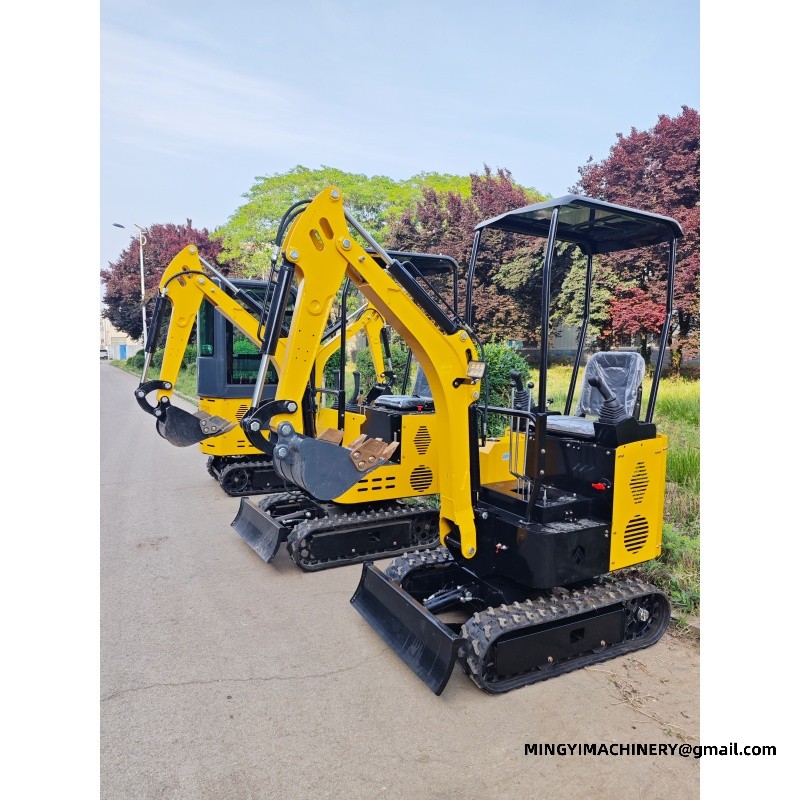
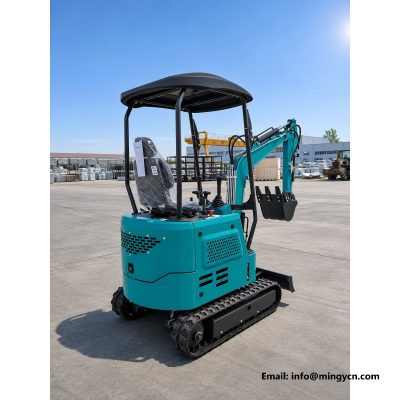
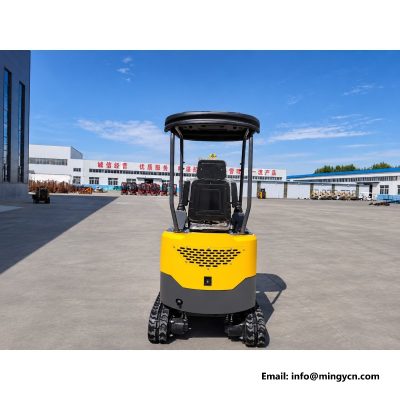
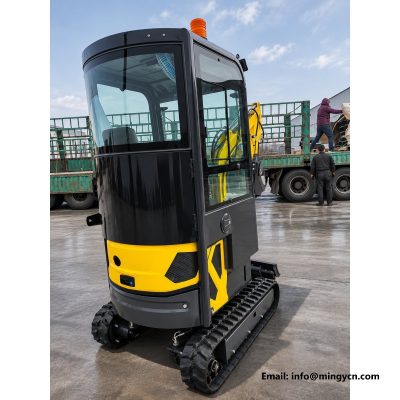
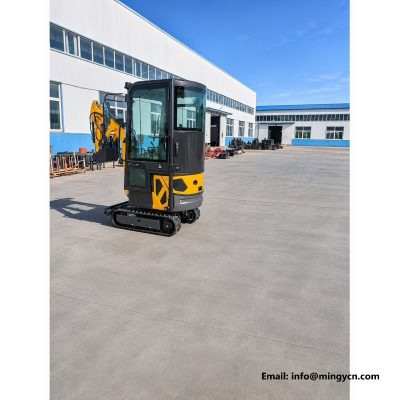
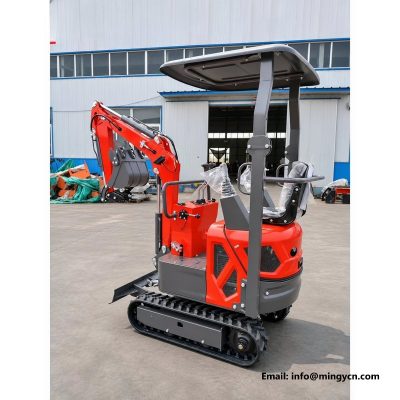
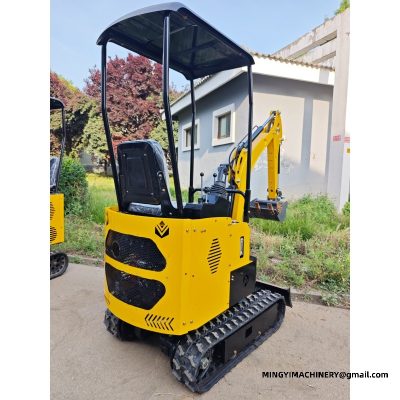
A canopy keeps the machine light and the operator aware of the surroundings, which suits short jobs in warm weather. A fully enclosed cab is specified where rain, dust or cold are part of the working year, and it can be added to this class of machine as a retrofit rather than only at build time. The cab decision follows the climate and the hours. Operators working a full shift in the unit in daily use benefit from a sealed cab with wipers and heating; operators stepping on and off every few minutes usually prefer the canopy for the visibility and the quick exit.
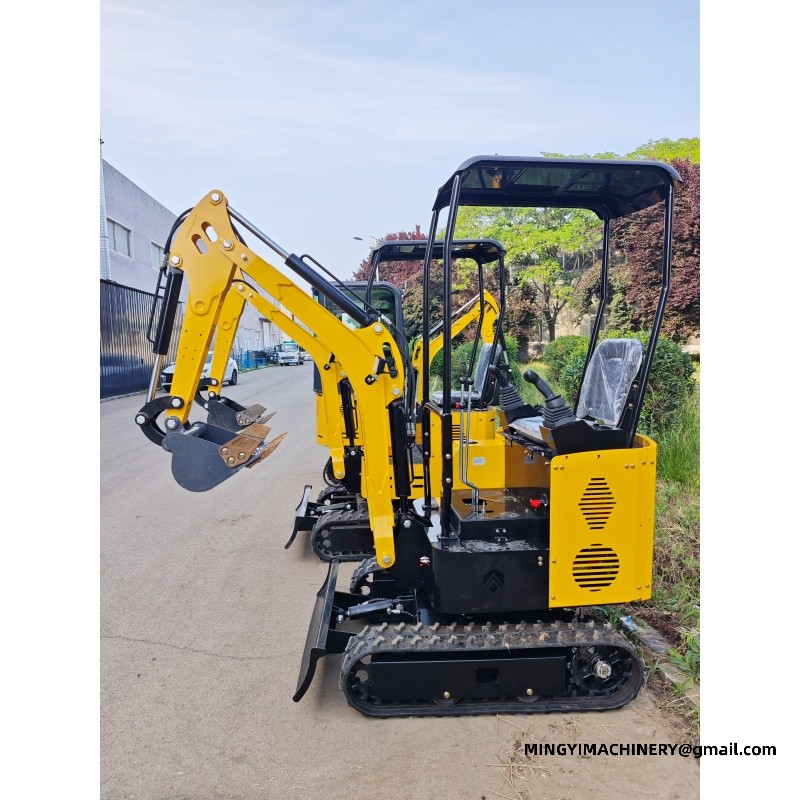
Access decides the machine before output does. With a machine of this size the limiting dimension is usually the widest point on the way in, so measuring the gate, the corridor and the turning space first saves a wasted delivery and a second visit. Contractors who buy the equipment on site normally have one job in mind that nothing else reaches. The purchase order follows the access measurement, not the other way round, and the build sheet is then settled around it.
A swing boom lets the machine dig parallel to its tracks without repositioning, which is what makes trenching beside a wall or a fence practical. On the machine itself this is often the option that decides whether a job is possible at all. Extended and offset boom configurations change reach and working range. The model in question with a longer arm reaches further but lifts less at full extension, so the specification is set against the deepest and furthest point on the job list.
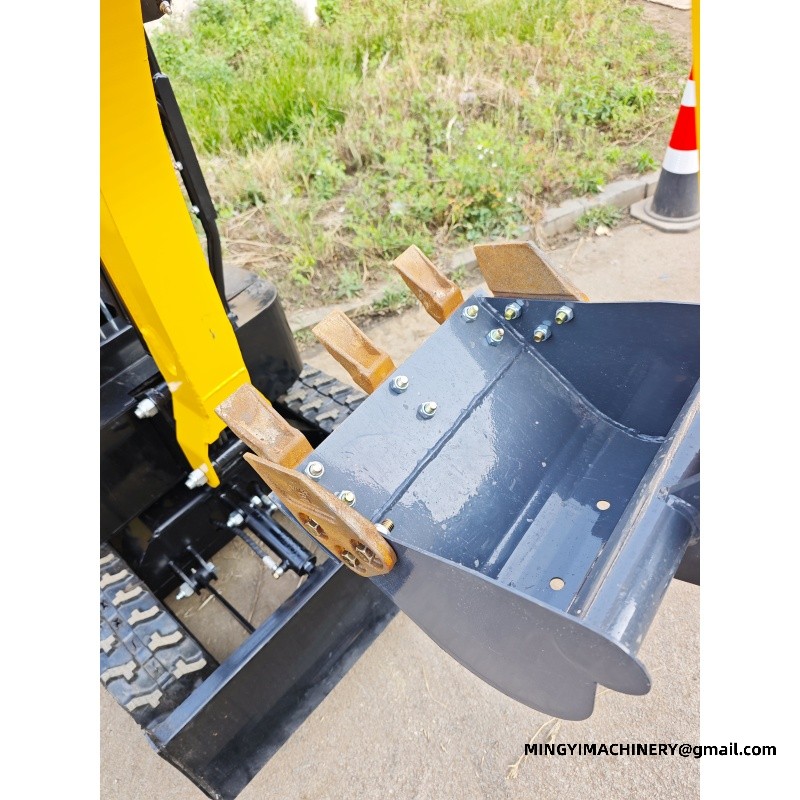
Confined sites are decided by dimensions. Overall width, tail swing and the space needed to work the arm are what let the machine in that duty operate inside a building, between walls or in a courtyard. Clearance above matters as much as around. Door heights, pipework and overhead services set the limit for the unit on the job indoors, and measuring them first avoids a machine that arrives and cannot be used.
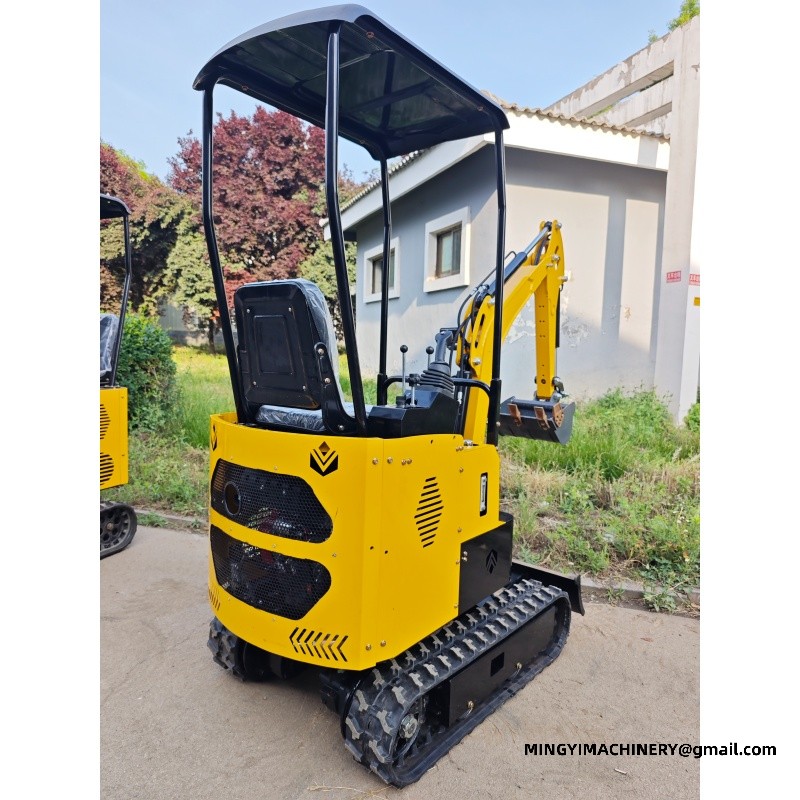
Enclosure and machine condition both reduce noise. A machine built for the work with intact panels, sound mounts and a maintained exhaust is measurably quieter than the same machine with loose guards, and the difference matters on restricted sites. Dust control is often part of the same conversation. Water, timing and work sequence reduce what leaves the site, and agreeing them in advance keeps the equipment in service working rather than stopped after a complaint.
Power unit selection is settled against the service network the buyer already uses. MINGYI offers Kubota D722, Kubota D902, YANMAR, Changchai, Laidong, Runtong, YARMAX, Youpu 2V80 and Youpu 195, so a fleet running one brand of engine can keep the same filters, the same parts supplier and the same mechanic. Two buyers can order the same the excavator and receive different engines. The decision is rarely about peak power; it is about which parts counter is closest to the site and which engine the local mechanic already knows.
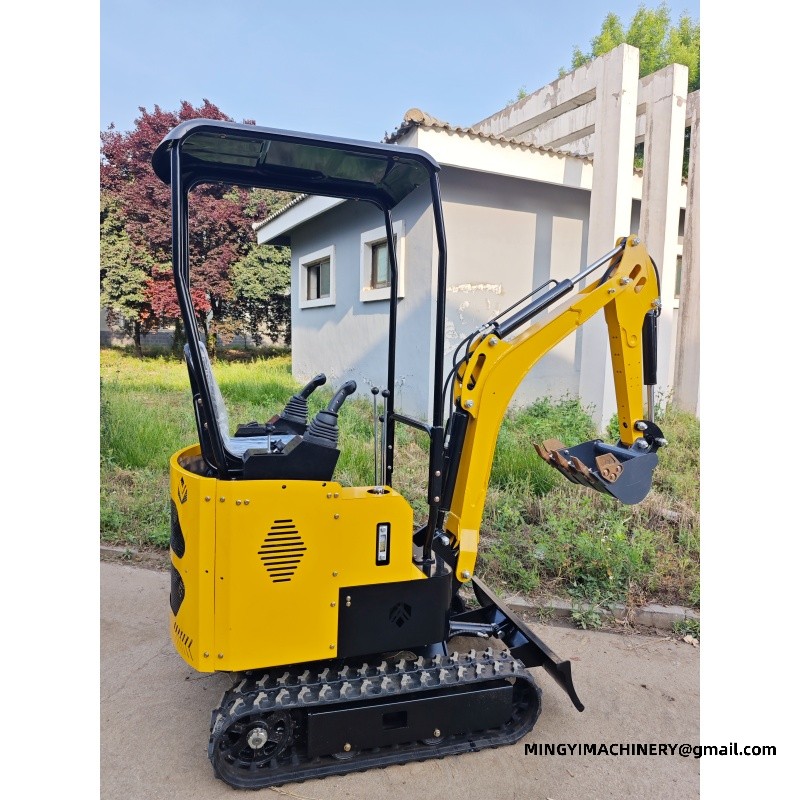
Landscape contractors use the unit in daily use for planting holes, pond excavation, grading and retaining work. The machine is light enough to cross finished lawn and narrow enough to work between established trees. On soft landscape work the surface is the constraint. A machine of this size on rubber tracks crosses turf without stripping it, which is why the same jobs are not given to a wheeled machine.
Purchase decision is the visible part of the effort. Fuel, filters, tracks or tyres, the operator and the transport between sites are the items that decide what the machine itself actually demands over a few seasons, and they are worth listing before the order. Downtime is the hidden line item. The model in question waiting on a part earns nothing while it stands, so parts availability and service access belong in the plan as much as fuel does.
Delivery day is the best time to find a problem. Checking the specification against the order, the fluid levels, the fasteners and any transport damage while the machine built for the work is still on the trailer is faster than claiming later. A function check before the machine goes to work is worth the hour. Running through the controls, the travel and the attachment circuit on the unit on the job confirms it is set up as specified and ready for the site.
Couplers are specified early because they affect the arm and the hydraulic kit. Adding one to the excavator after delivery means new pins, new hoses and a fitment session; adding it at build time is a line on the sheet. For a fleet that shares attachments between machines, a common coupler standard matters more than the coupler brand. This class of machine that picks up the same tools as the larger machines keeps the rack usable across the yard.
Rubber tracks suit paved and landscaped ground because they spread the machine weight and leave the surface intact. Steel tracks with rubber blocks are specified where the ground is rougher or the working day is longer, and the choice can be made per machine rather than accepted as a factory default. Track type changes what the machine can cross and what it leaves behind. Buyers specify rubber for lawns, driveways and municipal work, and steel with rubber blocks for sites where sharp material would cut a rubber belt in a week.
The figures below are the factory figures for the models most often matched to the equipment on site. They are the numbers to check against the site: the depth the work needs, the reach from one position, and the width of the narrowest point on the route in.
| Reference specification — mini excavator range | 13W | 30-1W | 15L | 25L |
|---|---|---|---|---|
| Operating weight | 1300 kg (2866.01 lb) | 2900 kg (6393.41 lb) | 1400 kg (3086.47 lb) | 2200 kg (4850.17 lb) |
| Transport size (L×W×H) | 2200 × 930 × 2250 mm | 3000 × 1250 × 2780 mm | 2200 × 930 × 2250 mm | 3000 × 1300 × 2700 mm |
| Max digging depth | 1630 mm (64.17 in) | 2200 mm (86.61 in) | 1700 mm (66.93 in) | 2300 mm (90.55 in) |
| Max digging height | 2750 mm (108.27 in) | 3400 mm (133.86 in) | 2750 mm (108.27 in) | 3100 mm (122.05 in) |
| Max dumping height | 1960 mm (77.17 in) | 2400 mm (94.49 in) | 1960 mm (77.17 in) | 2050 mm (80.71 in) |
| Max digging radius | 2900 mm (114.17 in) | 4000 mm (157.48 in) | 2900 mm (114.17 in) | 3900 mm (153.54 in) |
| Max digging distance | 2100 mm (82.68 in) | 2800 mm (110.24 in) | 2300 mm (90.55 in) | 3100 mm (125.05 in) |
| Minimum turning radius | 1300 mm (51.18 in) | 2000 mm (78.74 in) | 1450 mm (57.09 in) | 1800 mm (70.87 in) |
| Travel speed | 3 km/h (1.86 mph) | 5 km/h (3.11 mph) | 3 km/h (1.86 mph) | 7 km/h (4.35 mph) |
| Gradeability | 30° | 30° | 30° | 30° |
| Fuel consumption | 1-1.3 L/h (0.264—0.343 gal) | 2-3 L/h (0.528—0.793 gal) | 1-1.3 L/h (0.264—0.343 gal) | 2-3 L/h (0.528—0.793 gal) |
| Fuel tank capacity | 10 L (2.64 gal) | 16 L (4.23 gal) | 10 L (2.64 gal) | 16 L (4.23 gal) |
| Hydraulic oil tank | 16 L (4.23 gal) | 20 L (5.28 gal) | 16 L (4.23 gal) | 18 L (4.76 gal) |
| Dozer blade lift height | 180 mm (7.09 in) | 420 mm (16.54 in) | 180 mm (7.09 in) | 230 mm (9.06 in) |
| Dozer blade drop depth | 210 mm (8.27 in) | 210 mm (8.27 in) | 210 mm (8.27 in) | 280 mm (11.02 in) |
These are the reference figures for the machine itself. MINGYI confirms the final build sheet, including engine and attachment choices, against the destination and the job list before production.
Flow and pressure are matched to the tool, not to the machine size. Asking for the attachment list first means the model in question leaves the factory with circuits that suit the heaviest tool the buyer intends to run. Hydraulic specification is easier to settle at build time than to correct later. The machine in that duty delivered without auxiliary lines can still dig, but every additional tool becomes a retrofit project.
Frequently Asked QuestionsQ. What is the unit on the job used for?
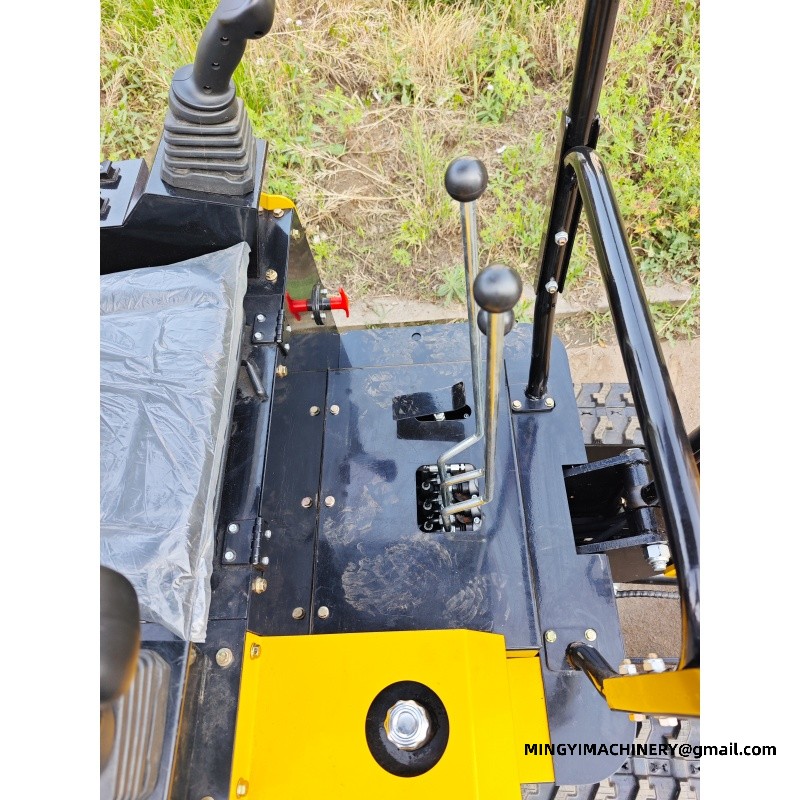
A. Control quality is what separates a compact excavator that fights the operator from one that finishes the day with clean trench walls. Load sensing keeps the flow where the work is; pilot levers give the finesse that trench walls and grading finish demand. Read a machine built for the work together with the engine, track and attachment pages: jobs around high torque are decided by how those choices line up, not by any single number on the sheet.
Q. What do pilot controls change in practice?
A. Finesse: the operator meters boom and bucket instead of switching them, which shows in trench walls, grading finish and fatigue at the end of the shift.
Q. Does MINGYI supply attachments with the machine?
A. Yes - buckets, breakers, augers, rakes and the rest of the working set ship with the carrier, matched to the hydraulic flow and the coupler. For high torque the package is confirmed on the build sheet, so machine and tools arrive together and start work together.
The symptom is usually not at the fault. A hydraulic function that has become sluggish on the excavator may point to a filter, a relief setting or a pump, and starting with the simple checks avoids the wrong guess.
A machine that only one person can use is a single point of failure. Training a second operator on the unit in daily use takes a day and removes the dependency that otherwise governs holidays, illness and busy weeks.
E-mail : sales@mingycn.com
LINE ( ID ): mingyicn
Related reading: crawler digger — how to size a compact crawler machine for stability, reach and transport width.